
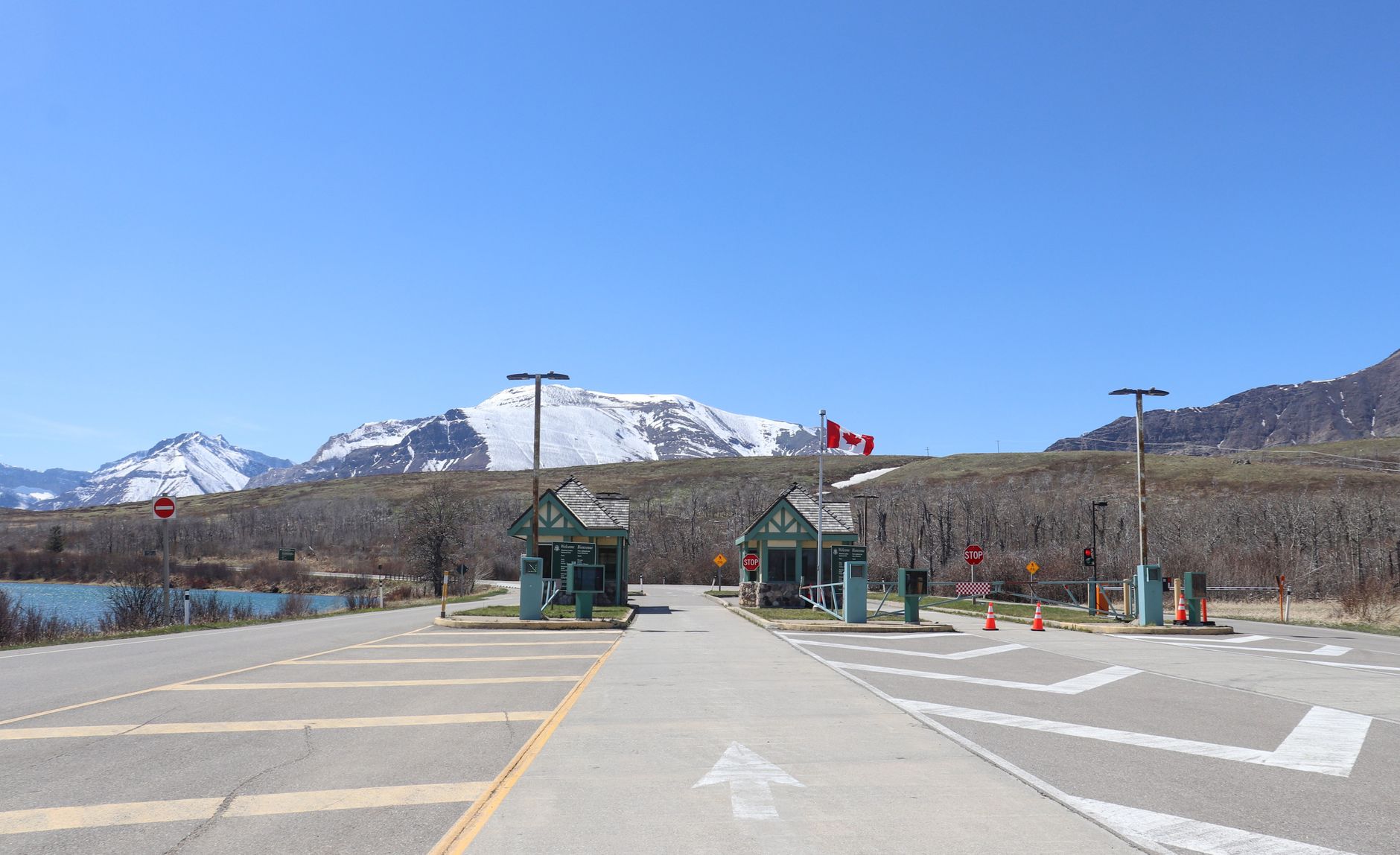
Traveling to Canada? One of the most common questions travelers have is whether they need a passport to enter the country. This article provides a comprehensive guide on entry requirements, emphasizing the importance of proper documentation for a smooth visit.
Understanding the rules around passports and other necessary documents is essential for anyone planning a trip to Canada. This guide will help you navigate the essentials and ensure you’re prepared for your journey.
Do You Need a Passport to Get into Canada?
Yes, you need a valid passport to enter Canada if you are traveling by air or sea. Additionally, travelers arriving by land may also require a passport, depending on their nationality. Make sure to check specific requirements based on your country of origin.
Passport Requirements for Visiting Canada
For most foreign nationals, having a passport is a crucial part of the entry process into Canada. Below are the key requirements based on different situations:
Traveling by Air
- All travelers must present a valid passport when checking in for flights to Canada.
- The passport must be valid for the duration of your stay. However, it is advisable that it remains valid for at least six months beyond your planned departure date.
- Citizens from certain countries may also need an Electronic Travel Authorization (eTA) in addition to their passport.
Traveling by Land or Sea
- If you’re driving into Canada or arriving by boat, a valid passport is typically required.
- Some citizens from the U.S. can enter Canada using other documents, such as a NEXUS card or enhanced driver’s license, but a passport is the most widely accepted identification.
- It’s important to check for recent updates regarding documentation requirements, especially in light of any changing regulations.
Electronic Travel Authorization (eTA)
Travelers from visa-exempt countries, including most European nations, are required to obtain an eTA to enter Canada by air. Here’s what you need to know about the eTA:
- The eTA is linked to your passport electronically and is valid for up to five years or until your passport expires.
- You can apply for an eTA online, which requires a valid passport, credit card, and an email address.
- The cost for an eTA is CAD $7, and approval is usually granted within minutes, although it’s recommended to apply for it at least a few days before your travel date.
Visa Requirements
Travelers from some countries may need a visa to enter Canada, depending on their nationality. Here are key points about entry requirements:
- Check if your country requires a visa. If a visa is necessary, you will need to apply for one before traveling.
- Visa applications can take time to process, so it’s advisable to apply well in advance of your planned trip.
- Ensure that any visa is valid for the entire duration of your stay in Canada.
Special Circumstances and Exceptions
While passports are generally required, there are certain exceptions and specific cases to consider:
Traveling with Children
- Children under 16 traveling with an adult should have a passport. Additionally, having a consent letter from the non-traveling parent may help facilitate border entry.
Dual Citizens
- Dual citizens of Canada and another country must enter Canada using their Canadian passport to avoid potential complications.
Permanent Residents
- Permanent residents holding a valid Permanent Resident Card or a Permanent Resident Travel Document do not need a visa or eTA to enter Canada.
Planning Your Trip: Tips and Recommendations
Before heading to Canada, keep these practical tips in mind:
- Always verify that your passport is valid and not approaching expiration. Check the validity requirements of your passport versus what is mandated by Canadian law.
- Consider securing travel insurance that covers unforeseen events, including medical emergencies.
- Familiarize yourself with Canada’s customs regulations, including any restricted items you should avoid bringing into the country.
Entry Points: Airports and Borders
Canada is accessible through multiple ports of entry. Here’s a breakdown of your options:
Major Airports
- Toronto Pearson International Airport (YYZ) is Canada’s busiest airport and offers numerous international flights.
- Vancouver International Airport (YVR) serves as a significant entry point on the west coast.
- Montreal-Pierre Elliott Trudeau International Airport (YUL) is another primary entry for travelers through Canada.
Land Border Crossings
If you’re driving to Canada, there are several key crossings from the United States, including:
- Peace Bridge connecting Buffalo, NY to Fort Erie, ON.
- Blue Water Bridge between Port Huron, MI and Sarnia, ON.
- Ambassador Bridge linking Detroit, MI to Windsor, ON.
Traveling by Train or Bus
- Amtrak and VIA Rail provide train services crossing the U.S.-Canada border.
- Several bus companies offer routes that connect major U.S. cities to Canadian destinations, but be sure to check identification requirements.
Seasonal Considerations for Travel
Canada is known for its diverse seasons, which can impact your travel experience. Consider the following:
Winter Travels
- Winter temperatures can plummet, especially in northern regions. Plan for snow and icy conditions.
- Popular winter activities include skiing, snowboarding, and visiting winter festivals.
Summer Travels
- Summer is peak tourist season for many regions, particularly for outdoor activities like hiking and festivals.
- Expect larger crowds in national parks and major cities, and book accommodations in advance.
Shoulder Seasons
- Spring (April – June) and fall (September – October) often offer milder weather and fewer tourists, making it an excellent time for comfortable travel.
- Be mindful of regional events that may influence both crowd levels and accommodation availability.
Transportation Options Within Canada
Once in Canada, there are various transportation options to help you navigate your destination:
Public Transportation
- Many Canadian cities offer reliable public transit systems. Consider getting day passes or multi-day passes for savings.
- Check the local transit authority site for routes and schedules before your trip.
Car Rentals
Renting a car can provide added convenience, especially if you’re visiting rural areas. Here are some tips:
- Ensure you have a valid driver’s license and credit card for the rental process.
- Familiarize yourself with local driving regulations and customs, including speed limits and road signs.
Ride-Sharing Services
Popular ride-sharing apps are available in major Canadian cities, making them a convenient option to travel within urban areas efficiently.
Accommodation Options in Canada
Canada offers a variety of lodging choices to suit different budgets and travel styles:
Hotels
- Major cities boast an array of hotels, from budget to luxury, with amenities to cater to all travelers.
- Book in advance, especially during peak seasons, to secure the best rates.
Hostels
- Hostels can be a budget-friendly option, especially for solo travelers or younger visitors looking to connect with others.
- Research hostels that offer communal kitchens to save on dining costs.
Vacation Rentals
- Consider vacation rental services for more homely accommodations, particularly for families or groups.
- Look for options with kitchen facilities to prepare meals, which can further help with budgeting.
Local Customs and Etiquette
Understanding the local culture and etiquette in Canada will help you blend in smoothly:
- Canadians are known for their politeness. Use “please” and “thank you” generously.
- Tipping is customary; typically, 15-20% for restaurant services is recommended.
- Respect the local traditions and customs, especially in Indigenous communities, where specific protocols may apply.
Conclusion and Practical Next Steps
Visiting Canada provides a fantastic opportunity to explore its stunning landscapes, vibrant cities, and rich culture. Ensure you have a valid passport, understand entry requirements, and follow travel guidelines to enjoy a seamless experience. Planning ahead will keep your travel plans organized and stress-free.
Next, check out more details on entry rules with our guide on passport requirements for Canada and learn about the specifics of traveling by car with our article on getting into Canada by car.