
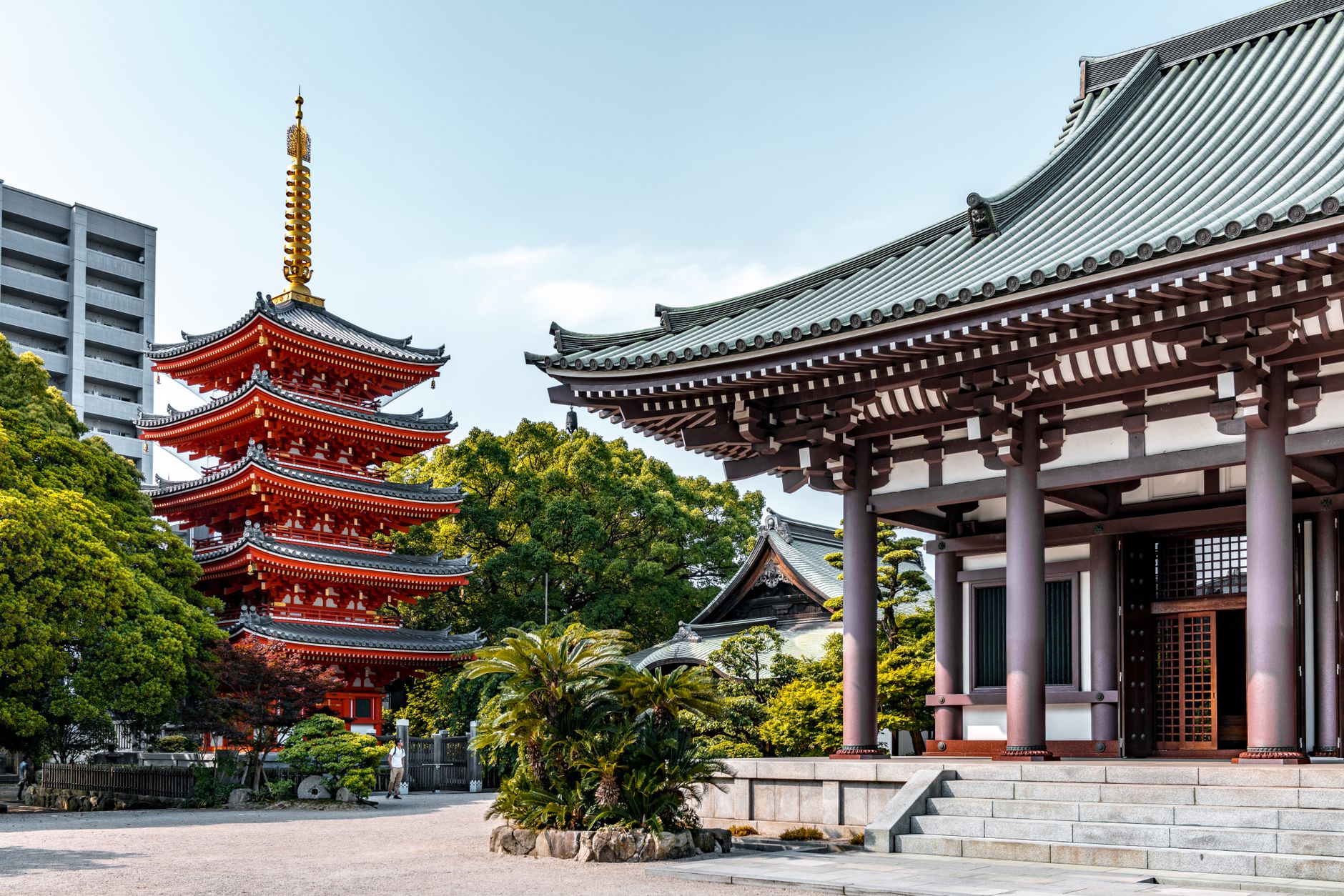
Traveling to Japan can be an exciting adventure, but before you pack your bags, it’s essential to understand the visa requirements. This guide will provide you with detailed information on whether you need a visa to enter Japan based on your nationality and travel plans.
Japan has specific entry requirements that vary for different countries, aimed at promoting tourism while ensuring security. By knowing the rules and processes involved, you can better plan your trip and avoid potential setbacks.
Do You Need A Visa For Japan?
Whether you need a visa to enter Japan depends on several factors, including your nationality and the length of your stay. Many travelers from certain countries do not require a visa for short-term visits, typically for tourism or business, while others do need to obtain one prior to arrival.
As a general rule, visitors from over 60 countries can stay in Japan for up to 90 days without a visa. For those not eligible for visa exemption, a visa must be applied for in advance.
Visa Exemption Overview
Japan maintains a visa exemption policy for citizens of various countries. Here’s an overview of who is exempt from obtaining a visa:
- Citizens of the United States can stay for up to 90 days.
- Citizens of Canada are allowed a 90-day stay without a visa.
- Citizens of the European Union, including the UK, typically enjoy visa-free access for up to 90 days.
- Citizens from Australia and New Zealand are similarly exempt for short visits.
Countries That Require a Visa
Travelers from countries not part of the visa exemption list must apply for a visa before traveling to Japan. This includes, but is not limited to:
- Countries in the African continent such as Nigeria and Algeria.
- Several Middle Eastern countries including Iraq and Syria.
- Some countries in Asia such as Afghanistan and Pakistan.
Each nationality may have different regulations, so it is always advisable to check the specific requirements for your home country.
Types of Visas for Japan
If you determine that a visa is necessary for your travel plans to Japan, there are several types of visas available based on the purpose of your visit:
- Tourist Visa: Typically issued for those traveling for sightseeing or leisure purposes.
- Business Visa: For individuals attending business meetings or activities.
- Transit Visa: For travelers who are passing through Japan en route to another destination.
- Student Visa: For those planning to study in Japan for an extended period.
Tourist Visa Application Process
For those who need a tourist visa, here are the steps generally involved in the application process:
- Visit the official website of the Japanese embassy or consulate in your country.
- Prepare the necessary documents, including a completed application form, a valid passport, a recent photograph, and proof of travel arrangements (such as flight itineraries and hotel bookings).
- Submit your application either in person or by mail, along with any required application fees.
- Await the processing, which may take a few days to a few weeks. Make sure to apply well in advance of your planned travel dates.
Traveler Requirements Upon Entry
Even if you do not need a visa, there are specific entry requirements you must comply with:
- A valid passport that is good for the duration of your stay.
- Proof of onward travel, such as a return ticket or a ticket to your next destination.
- Financial proof demonstrating you can sustain yourself during your stay, which can include bank statements or credit cards.
Health and Safety Considerations
In light of health concerns, travelers may need to meet specific health regulations:
- Check if any vaccinations are required or recommended before traveling.
- Stay updated on any health advisories or requirements that may arise closer to your travel dates, including COVID-19 protocols.
Length of Stay and Extension Options
The length of your stay in Japan will largely depend on your visa type or eligibility for visa exemption. If you’re traveling on a tourist visa, you typically have a 90-day limit. However, extensions may be requested for genuine reasons such as unforeseen circumstances.
To extend your stay, you’ll need to apply at the regional immigration office in Japan with relevant documentation justifying your request.
Getting to Japan
Japan is well-connected internationally through various airports such as Narita International Airport in Tokyo and Kansai International Airport in Osaka. Here’s how to navigate your arrival:
- Book a direct flight whenever possible for convenience, but note that many connections might require stopovers.
- Be prepared for customs checks upon arrival. Have all your documentation and necessary paperwork readily available.
Transportation in Japan
Once you arrive in Japan, getting around is efficient and convenient, thanks to the country’s sophisticated transport network:
Rail Travel
The Shinkansen, or bullet train, is a fantastic way to explore different regions quickly. Consider purchasing a Japan Rail Pass if you intend to travel long distances within the country during your stay.
Public Transport
In cities, expect clean, efficient, and punctual public transport options. Subway and bus systems run frequently, and it’s advisable to get a prepaid Suica or Pasmo card for convenience.
Accommodation Options
Japan offers a broad range of accommodation options catering to diverse budgets and preferences:
- Luxury Hotels: Upscale international hotels and traditional ryokans.
- Mid-Range: Business hotels and guesthouses that offer comfortable amenities.
- Budget: Hostel options and capsule hotels for a unique experience.
Book in advance during peak seasons, such as cherry blossom season or major holidays, as accommodations can fill up quickly.
Best Times to Visit Japan
The ideal time to visit Japan largely depends on what you want to experience:
- March to May: Spring is ideal for enjoying cherry blossoms and pleasant weather.
- June to August: Summer can be hot and humid but is great for festivals.
- September to November: Fall offers beautiful autumn leaves and cooler temperatures.
- December to February: Winter is fantastic for skiing in regions like Hokkaido.
Budget Considerations
Japan can be a relatively expensive destination, but budgeting wisely can help you enjoy your trip without breaking the bank. Here are some practical budget tips:
- Keep food costs down by enjoying convenience store meals or dining in local eateries.
- Purchase a Japan Rail Pass if you will travel outside major cities.
- Consider free attractions, such as shrines and parks, to fill your itinerary without spending too much.
Common Mistakes to Avoid
To make the most of your trip, be conscious of these common pitfalls:
- Failing to check your passport’s validity—make sure it’s valid for at least six months beyond your planned departure date.
- Not learning basic Japanese phrases, as while many Japanese people speak English, it does help to know greetings and polite expressions.
- Rushing your itinerary—Japan’s rich culture and experiences require time for exploration.
Final Tips for Visiting Japan
To enhance your travel experience significantly, consider these final tips:
- Respect local customs and traditions, such as bowing when greeting someone.
- Use cash where possible, as some smaller vendors may not accept credit cards.
- Plan ahead for cultural sites that often have strict opening hours.
Understanding the visa requirements and preparing for your visit to Japan is crucial for a successful trip. Take the time to verify your visa status, plan your transportation, and set a realistic budget. This way, you can focus on enjoying all the unique experiences that Japan has to offer.
For more travel preparation information, check out our articles on flight durations to Japan and discover if Japan experiences snow during your travel dates.