
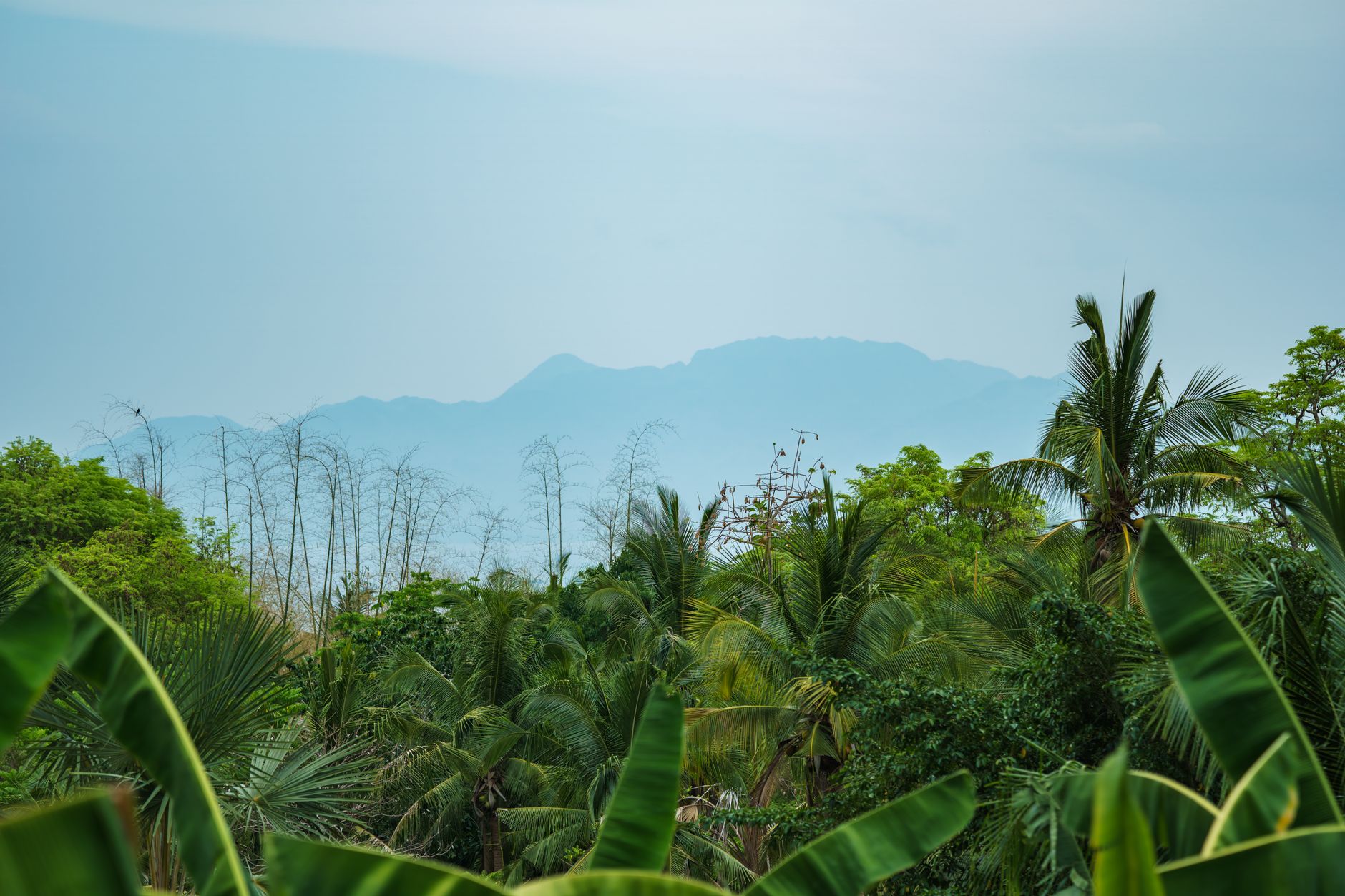
When thinking of Hawaii, most people envision stunning beaches, vibrant sunsets, and tropical climates. Snow is usually the last thing that comes to mind. However, the fact is that Hawaii does experience snow, though in very limited areas and conditions. This article will guide you through when and where you can find snow in Hawaii, as well as tips on planning a visit to these unique winter wonderlands.
Snow in Hawaii primarily occurs on the highest peaks of its volcanic mountains, such as Mauna Kea and Mauna Loa on the Big Island. This fascinating phenomenon results from altitude rather than latitude, making Hawaii a truly unique destination for weather experiences. Here’s everything you need to know about snow in Hawaii, including where to go, what to do, and how to prepare for your visit.
Does It Snow In Hawaii?
Yes, it does snow in Hawaii, primarily on the summit of Mauna Kea. Snowfall is rare and usually occurs between November and April, creating a stunning contrast against the islands’ typically warm climate.
Where Does it Snow in Hawaii?
The main locations where snow is found in Hawaii include:
- Mauna Kea: The highest peak in Hawaii at 13,796 feet, Mauna Kea receives the most snowfall.
- Mauna Loa: This is the second-highest volcano in the world, located just south of Mauna Kea, and occasionally gets some snow.
- Haleakalā: Located on Maui, this dormant volcano can also see snow, but it is less common compared to the Big Island.
When Does it Snow in Hawaii?
The snowfall in Hawaii typically occurs from late November through early April, with the heaviest snows usually falling in December and January. However, conditions can vary, and snow is not guaranteed every year. Most of the time, the snowfall is light and melts quickly.
What to Expect When Visiting Snowy Areas in Hawaii
When you venture to areas in Hawaii that experience snow, be prepared for a drastically different climate than the warm beaches. Here’s what to keep in mind:
- Temperatures: At the summit of Mauna Kea, temperatures can drop below freezing, especially at night. Expect wind chill factors that amplify the cold.
- Road Conditions: If planning to drive to the summits, check road conditions frequently, as they can change rapidly due to snow and ice.
- Clothing: Wear layers. A warm jacket, gloves, and hats are essential, as temperatures can be frigid compared to the coastal areas.
- Activities: Opportunities for snow play may include sledding, snowball fights, and simply enjoying the unique winter landscape.
How to Get to Mauna Kea
Reaching Mauna Kea involves some important steps:
- Fly into the Big Island: Most visitors arrive via Hilo or Kona International Airports.
- Drive to the mountain: Drive time from Hilo is approximately 1.5 to 2 hours, while from Kona it’s about 2.5 to 3 hours.
- 4×4 Vehicle: A 4-wheel drive vehicle is highly recommended as the access road to the summit is steep and unpaved in places.
Mauna Kea Summit Access
Visitors are allowed to drive up to a certain point on Mauna Kea, but access to the actual summit requires specific preparation. Here’s how to access the summit:
- Visitor Center: Stop at the Mauna Kea Visitor Information Station (VIS), located at 9,200 feet to acclimatize and gather information.
- Check Conditions: Make sure to check the latest conditions and ask rangers about summit access.
- Respect Regulations: Follow all regulations, including staying on designated roads and respecting the environment.
Exploring Other Snowy Locations
While Mauna Kea is the primary destination for snow in Hawaii, you may also explore areas like Haleakalā. Here’s what you can do:
- Visit Haleakalā: Located on Maui, Haleakalā can sometimes experience snow during winter months, though it’s rarer.
- Sunrise and Sunset: Haleakalā National Park is famous for breathtaking sunrises and sunsets, making it a dual-purpose destination.
What to Pack for a Snowy Trip to Hawaii
Planning a trip to see snow in Hawaii requires careful packing. Here’s a suggested packing list:
- Warm, waterproof jacket
- Thermal layers
- Gloves and beanie
- Sturdy hiking boots or shoes
- Sun protection (sunscreen, sunglasses)
- Water and snacks for altitude hikes
Best Time to Visit for Snow-Lovers
The ideal time to visit Hawaii for snowfall enthusiasts is during the winter months, specifically from December to January. During these months, you have a greater chance of experiencing snow. However, keep in mind that the weather can be unpredictable, so it’s wise to check forecasts frequently.
Safe Travel and Health Considerations
High altitude can cause altitude sickness for some visitors. Here are a few considerations:
- Acclimatization: Spend some time at the Visitor Information Station to adjust before heading up further.
- Hydration: Drink plenty of water to stay hydrated and reduce the risk of altitude sickness.
- Signs of Altitude Sickness: Be aware of symptoms such as headaches, nausea, or dizziness, and descend if experiencing these symptoms.
Family-Friendly Activities in Snowy Areas
Exploring snowy regions in Hawaii can be a fantastic family adventure. Here are some activities suitable for families:
- Snowball fights: Bring along some gloves and enjoy a classic winter activity.
- Sledding: While there may not be traditional sledding spots, soft snow can create fun sliding experiences for children.
- Photography: Capture stunning winter landscapes that are unique to Hawaii.
Accommodations Near Snowy Areas
While there are no specific accommodations at the summit of Mauna Kea, nearby towns offer lodging options. Here’s what you can consider:
- Kona: Located about 30 miles away, Kona offers a range of hotels and vacation rentals.
- Hilo: Hilo is closer to the Mauna Kea Visitor Center and also provides several accommodation options.
Transportation Options to Access Snowy Areas
Getting around the Big Island can be straightforward with several transportation options:
- Rental Cars: Renting a car is the best way to explore the island and reach the snowy areas.
- Guided Tours: Consider booking a guided tour that includes access to Mauna Kea and other attractions.
- Public Transport: Limited public transport is available, making a rental car preferable for complete freedom.
Things to Do After Experiencing Snow
Once you’ve experienced snow in Hawaii, consider these nearby adventures:
- Visit Volcanoes National Park: Check out the stunning landscapes created by volcanic activity and learn about Hawaii’s geological history.
- Explore Coffee Country: Visit local coffee farms in Kona, where you can enjoy scenic views and delicious brew tastings.
- Beach Day: Don’t forget to enjoy the beautiful beaches that Hawaii is famous for, relax and soak up the sunshine.
Conclusion
Snow in Hawaii is not only a reality but a unique adventure waiting to be experienced. Whether you’re taking in the views from Mauna Kea or simply playing in the snow, visiting Hawaii’s winter wonderlands adds an exciting twist to the tropical paradise. Remember to check weather conditions, pack appropriately, and plan for some unforgettable adventures. To make the most of your Hawaiian experience, consider venturing into additional attractions and activities in the different climates the islands have to offer.
For more information on travel destinations, check out our articles on snow in Japan and Arizona. Happy travels!