
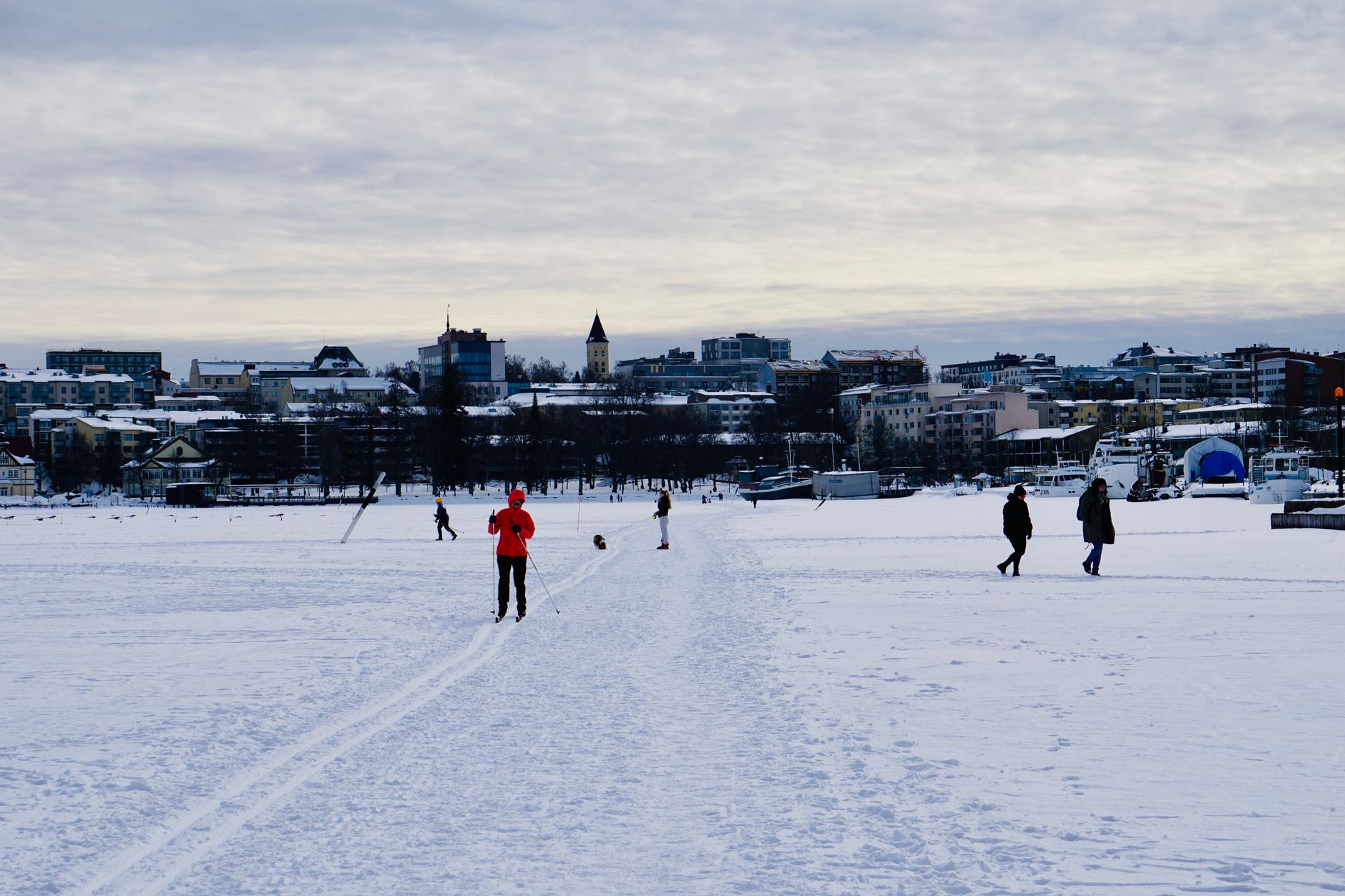
Many travelers associate Tokyo with cherry blossoms in spring or vibrant autumn leaves, but what about winter? Does it snow in Tokyo? The answer is yes, although snowfall is not guaranteed every year. This article will explore the winter weather in Tokyo, what to expect regarding snow, and how to make the most of your trip during the cooler months.
Understanding Tokyo’s winter climate and snowfall can help you plan an enjoyable visit. In this guide, we will cover when snow is likely to fall, how to navigate the city in winter, and the unique experiences that await you during this magical season.
Does It Snow In Tokyo?
Yes, Tokyo does receive snow, typically between late December and February. Snowfall is relatively light and accumulations are rare, but travelers should be prepared for some flurries or even a dusting of snow during their visit. The city has an average annual snowfall of about 25 to 30 centimeters, often leading to picturesque scenes.
When Does it Snow in Tokyo?
The average snowfall occurs from late December to February, with January being the coldest month. Snowfall events can also occur earlier or later in the winter season, but these are unpredictable. If you are hoping to experience snow, plan your trip for January or February when the chances are higher.
Winter Seasons and Climate
Tokyo’s winter is characterized by cool, dry air. Temperatures typically range from around 1°C (34°F) to 10°C (50°F) during this season. While snow can fall, it often melts quickly, especially in urban areas.
Factors Influencing Snowfall
Several climatic factors influence snowfall in Tokyo:
- Geographic Location: Tokyo’s coastal location means it generally has milder winters compared to areas further inland.
- Cyclones: Winter storms can come from the north or northwest, bringing cold air and moisture that may result in snowfall.
- Urban Heat: The urban heat island effect can sometimes diminish snowfall amounts in the city.
What to Expect When it Snows
When snow does fall in Tokyo, it creates a unique and photogenic atmosphere. Parks like Ueno and Shinjuku Gyoen transform into winter wonderlands, perfect for leisurely walks. However, snow in Tokyo can disrupt public transit and lead to a silent pause in the usually bustling streets.
Winter Atmosphere and Activities
Snow adds a magical feel to the city. Here are some delightful activities to consider if you get the chance to visit during snowfall:
- Winter Illuminations: Tokyo is famous for its stunning winter light displays. If it snows, these illuminations take on an enchanting quality.
- Street Food: Enjoy hot snacks such as grilled fish cakes (yakitori) or sweet potato (yakiimo) as you stroll through snowy streets.
- Cultural Experiences: Visit temples and shrines, which look particularly beautiful under a layer of snow.
How to Prepare for a Trip to Tokyo in Winter
Planning for a winter trip means carefully considering your wardrobe and daily itineraries. While snow may not always be in the forecast, it’s best to be prepared for colder temperatures.
Packing Essentials
Here’s a packing list to keep you warm and comfortable during your trip:
- Warm layers (thermal shirts, sweaters, and long coats)
- Water-resistant boots with good traction
- Gloves, scarf, and beanie
- Umbrella or waterproof jacket (in case of mixed precipitation)
Transportation Considerations
Tokyo’s public transportation system is efficient, but snowfall can affect schedules. Monitor updates and allow extra travel time. Here’s a quick overview of transport options:
- Trains: Tokyo’s rail system can become crowded during snow events, especially on commuter lines.
- Buses: Bus services may be less affected, though some routes might still be impacted by snow.
- Walking: Many city attractions are accessible by walking, allowing you to enjoy the snowy scenery at a leisurely pace. Just be cautious of icy sidewalks.
Accommodation Options During Winter
Choosing where to stay in Tokyo can enhance your winter visit. Here are a few area recommendations and types of lodging to consider:
Neighborhood Recommendations
Each neighborhood offers unique experiences:
- Shinjuku: Vibrant and close to many attractions. This area features many hotels and has excellent public transport.
- Shibuya: A trendy area with plenty of shopping and dining options, perfect for a lively winter retreat.
- Asakusa: For a more traditional vibe complete with temples and historic sites, consider staying in Asakusa.
Types of Accommodation
Tokyo has various lodging options suitable for different budgets:
- Hotels: Ranging from luxury to budget options, many hotels offer heating and winter amenities.
- Traditional Ryokan: Experience authentic Japanese hospitality in a ryokan, which often includes tatami mats and futons.
- Hostels: For budget travelers, several hostels offer affordable options, though extras like heating may vary.
Unique Experiences and Attractions in Tokyo During Winter
Visiting Tokyo in the winter provides opportunities for unique activities and attractions. Here are some highlights:
Winter Festivals and Events
Tokyo hosts different events during winter:
- Tokyo Motor Show: Usually held in December, showcasing the latest from automakers.
- New Year Celebrations: Experience cultural festivities at shrines, including Hatsumode, the first shrine visit of the year.
- Ibaraki Flower Park Light Festival: Located outside Tokyo, the festival features illuminated flowers against the winter night sky.
Seasonal Foods to Try
Winter is an excellent time to indulge in seasonal Japanese cuisine:
- Nabe: A warm and hearty hot pot that is perfect for cold weather; many varieties exist.
- Oden: A comforting dish featuring various ingredients simmered in a light broth.
- Yakiimo: Roasted sweet potatoes that can be found from vendors on the streets.
Tips for Enjoying Tokyo in Winter
To maximize your experience in Tokyo during winter, consider the following tips:
Stay Flexible
Weather can be unpredictable in winter. Having flexible plans allows you to adapt based on conditions. For instance, if it snows, you might want to spend your day enjoying snowy parks rather than indoor attractions.
Check Local Weather Updates
Keep an eye on local forecasts before venturing out. Check apps or online resources for real-time weather updates.
Respect Local Customs
Always be mindful of local customs, especially in religious sites and public spaces. If snow is present, take care in temples and on walkways to avoid slipping.
Accessible Travel in Tokyo During Winter
Tokyo is generally accessible for individuals with disabilities, but snow may create additional challenges. Consider the following:
Public Transport
Many subway stations and bus stops have accessibility features. Snow may narrow sidewalks, so plan routes accordingly.
Attractions
Most major attractions in Tokyo, like museums and parks, are accessible. Always check accessibility options ahead of time for specific locations.
Suggested Length of Stay and Itinerary
For a winter trip, a stay of five to seven days is ideal. This allows time to explore various neighborhoods, enjoy seasonal activities, and take day trips without feeling rushed.
Sample Itinerary
- Day 1: Arrival and settle into your accommodation. Explore local markets and enjoy a warm meal.
- Day 2: Visit Shinjuku Gyoen National Garden and experience winter illuminations.
- Day 3: Discover Asakusa, including Senso-ji Temple, and enjoy street food.
- Day 4: Take a day trip to Nikko or Mount Takao for winter hiking.
- Day 5: Explore Shibuya and visit its famous scramble crossing, then enjoy local cafes.
- Day 6: Leisure day for shopping or art galleries, considering a warm soak in a nearby onsen.
- Day 7: Departure or additional activities depending on flight schedule.
Budget Considerations for Winter Travel to Tokyo
Traveling to Tokyo in winter can offer opportunities for savings, but budget mindful is essential:
Accommodation Costs
Hotels and ryokans often lower their rates in winter due to decreased tourist traffic. Off-peak travel can lead to better deals.
Transportation Expenses
Using public transportation is usually the most cost-effective way to navigate the city. Discount passes and train cards can help save on fares.
Dining on a Budget
Street food stalls offer delightful nibbles that won’t break the bank. Convenience stores also provide affordable meal options.
Conclusion
Tokyo offers a distinct charm during winter, with the potential for snow enhancing the city’s beauty. By preparing adequately, staying informed about weather conditions, and being flexible with plans, you can have an enjoyable and memorable experience in this vibrant city. Consider planning your visit around January or February for a better chance to see snow while enjoying all that Tokyo has to offer.
For more information on winter travel in Japan, be sure to check out our article on does it snow in Japan, and if you’re considering winter in Europe, you might also want to read about does it snow in Paris.