
Niagara Falls is one of the most iconic natural attractions in the world, known for its stunning beauty and immense power. Located on the border of the United States and Canada, this breathtaking sight draws millions of visitors each year. While many visitors flock to see the roaring waterfalls during the warmer months, a looming question often arises: does Niagara Falls freeze during the winter? This article explores the conditions of Niagara Falls in winter and offers essential travel tips to plan your visit.
Winter transforms Niagara Falls into a magical wonderland, creating a spectacle that is entirely different from the summer view. Ice and snow play a crucial role in this transformation. However, it is important to understand both the reality of the falls during winter and how to make the most of your visit if you choose to travel during this season.
Does Niagara Falls Freeze?
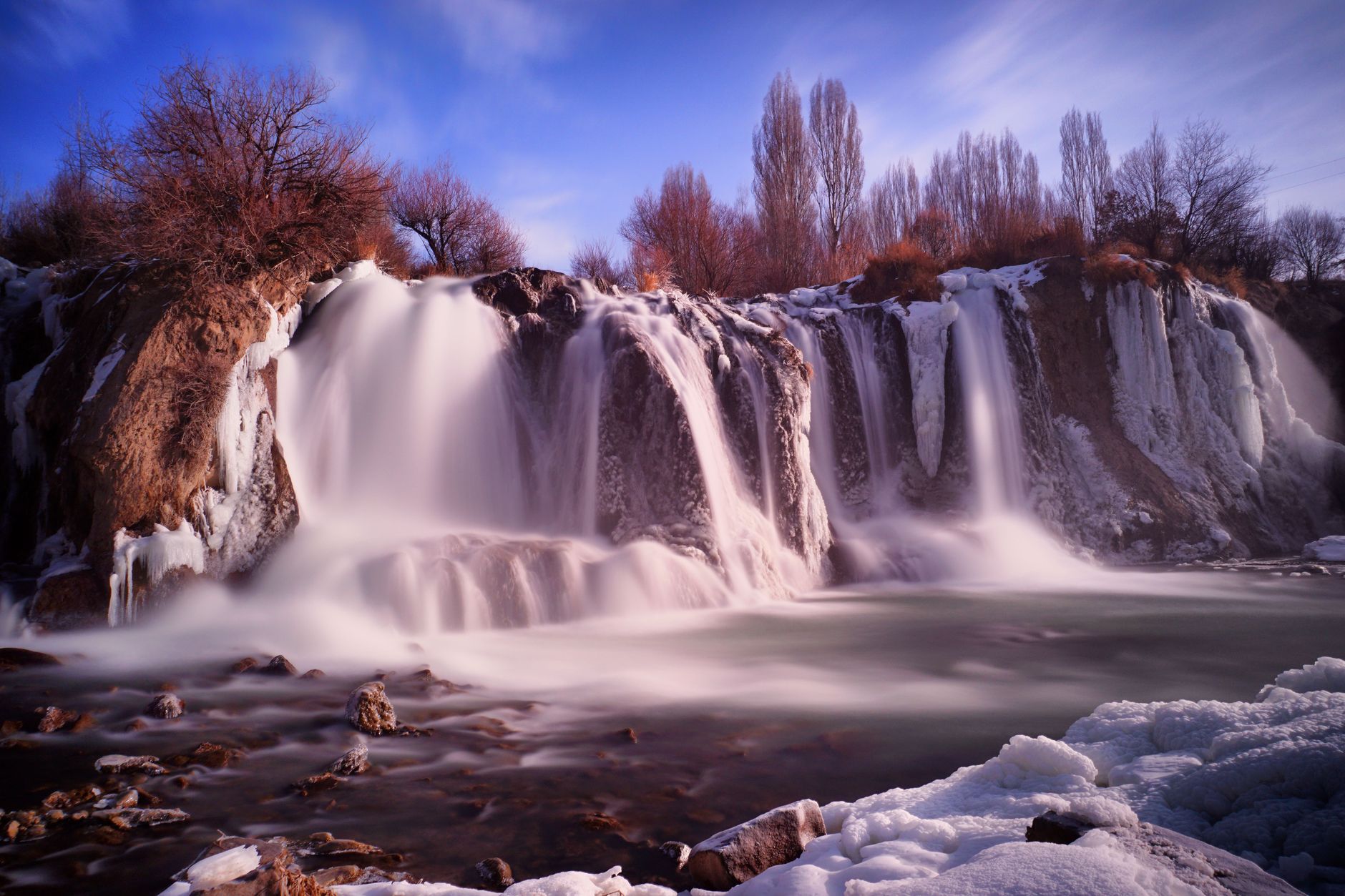
While parts of Niagara Falls can become ice-covered and experience freezing temperatures, the falls themselves do not completely freeze due to the enormous amount of water flowing over them. The combination of a consistent water flow, massive energy, and the effects of wind help to prevent the falls from freezing solid.
However, the area around the falls can see significant icing during harsh winter temperatures. This include ice formations on the rocks and along the shores, creating a picturesque scene that many visitors find stunning.
Understanding the Winter Elements at Niagara Falls
To appreciate Niagara Falls in winter, it’s essential to understand the weather conditions that contribute to the icy landscapes:
- Temperature: Winter temperatures in Niagara Falls can drop significantly, often ranging from 20°F to 30°F (-6°C to -1°C). These frigid conditions can lead to icy edges and frozen mist.
- Wind Chill: The wind chill factor can make temperatures feel even colder. Wind gusts and chill can contribute to the formation of frost on nearby trees and structures.
- Precipitation: Snow and freezing rain add to the winter atmosphere. Snowfall can blanket the area, creating a winter wonderland.
- Ice Crystallization: When temperatures dip low enough, the mist from the falls freezes upon contact with nearby surfaces, creating beautiful ice formations.
Best Times to Visit Niagara Falls in Winter
While winter offers unique views of Niagara Falls, determining when to visit can significantly impact your experience. The best time spans from late December to March, with each month presenting distinct advantages:
December
Visiting in December means experiencing the festive holiday season at Niagara Falls. The area typically hosts Winter Festival of Lights, where the region is adorned with millions of twinkling lights. Visitors can enjoy light displays, various activities, and holiday-themed events.
January
January often brings the coldest temperatures. Visitors can expect stunning ice formations, particularly if there were recent temperatures below freezing. However, be prepared for potential travel disruptions due to weather conditions.
February
February can be a great time to visit as temperatures may fluctuate, and winter activities begin to taper off. Visitors can enjoy fewer crowds and often have the chance to see both icy vistas and the beginning of early spring blooms emerging.
March
March can be unpredictable: It may retain the chill of winter or begin to usher in signs of spring. Half-frozen waterfalls, combined with glimpses of budding flowers, offer a unique backdrop.
What to Expect During Your Winter Visit
When planning a winter visit to Niagara Falls, consider the following aspects:
Visitor Services
Not all visitor services remain open during the winter months, particularly in January and February. Key attractions such as the Cave of the Winds and Maid of the Mist typically close for the season due to safety concerns. Visitors are encouraged to check the Official Niagara Parks website or local tourism boards for the latest information regarding open attractions.
Things to Do in Winter
While some attractions may be closed, there are still plenty of activities worth considering during your winter visit. Here are some highlights:
- Winter Festival of Lights: A holiday tradition, that runs from November to January, including over two million twinkling lights and displays.
- Ice Skating: The outdoor rink at the Queen Victoria Park provides a picturesque setting to ice skate surrounded by beautiful winter scenery.
- Snowshoeing and Cross-Country Skiing: Several parks and trails in the Niagara region offer snowshoeing and cross-country skiing opportunities.
- Observation Points: The observation points such as Table Rock and the Skylon Tower offer stunning views of the falls framed with winter’s beauty.
- Photography: Winter creates incredible photo opportunities with ice formations, snow-covered trees, and frosted rocks.
Getting to and Around Niagara Falls in Winter
Reaching Niagara Falls in winter can be a straightforward process, but it’s essential to prepare properly. Here’s what to keep in mind:
Transportation Options
Niagara Falls is accessible through several modes of transportation, including:
- By Car: If you are driving, ensure that you have a winter-ready vehicle equipped with good tires to handle icy roads. Parking is available in various areas, though some parking lots may close during snowstorms.
- By Public Transit: The Niagara Falls Transit, as well as regional public transport, can be utilized for those without private vehicles.
- By Train or Bus: Via Rail and Greyhound buses offer service to the area, however, schedule changes may occur in unfavorable weather.
- Shuttle Services: Some hotels and local businesses offer winter shuttle services to key attractions; it’s worth checking in advance.
Road Safety
If you plan to drive, prepare for potential road conditions and stay current on the forecast. Snow and ice can lead to dangerous driving situations, so allow extra time for travel and consider any travel advisories.
Accommodation Options for Winter Visitors
Hotels
Several hotels in Niagara Falls offer winter rates and packages for guests. Look for options with perks such as indoor pools and spa services, which are ideal for relaxing after a day out in the cold. Popular hotels include:
- Marriott Fallsview Hotel & Spa: This spot offers stunning views and cozy accommodations.
- Niagara Falls Marriott on the Falls: Central to attractions and known for comfort.
- The Hilton Niagara Falls: Offers excellent amenities and easy access to the falls.
Bed and Breakfasts
For a more intimate stay, consider local bed and breakfasts. These often provide personalized service and can be found near the falls, allowing for a warm and charming atmosphere.
Alternative Accommodation
Check platforms that offer cabin rentals or winter lodges in the vicinity for a unique experience immersed in nature.
Travel Tips for Winter Visits
To ensure a pleasant winter visit to Niagara Falls, here are practical travel tips:
- Dress in Layers: This is crucial for adjusting to varying temperatures. Ensure you have appropriate winter clothing: thermal wear, jackets, gloves, scarves, and waterproof shoes.
- Check the Weather: Before heading out, always check the weather forecast, including wind chill factors and possible snow or ice.
- Plan Your Activities: With some attractions closed in winter, plan your days around those open attractions and activities. Ensure you have alternatives.
- Photography Gear: If capturing the falls in winter, bring camera equipment that can handle the cold and be sure to have extra batteries; they drain faster in cold weather.
- Safety First: Be mindful of icy surfaces and wear traction devices if walking around the falls.
Dining Options During Winter
While visiting Niagara Falls in winter, you won’t want to miss the chance to enjoy a warm meal. There are numerous dining options to explore:
- Skylon Tower: Offers dining with panoramic views of the falls, making for a memorable lunch or dinner experience.
- Fallsview Buffet: This restaurant offers a buffet-style dining experience with beautiful falls views.
- Local Cafés and Bistros: Keep an eye out for cozy eateries where you can enjoy hot cocoa or soup to warm up after a day out.
Accessibility Considerations
Winter travel at Niagara Falls may present challenges for visitors with mobility requirements:
- The main attractions generally maintain winter accessibility, but check specific details regarding snow and ice management precautions.
- Pathways near the falls are generally plowed but can become icy; visitors should take care while walking
- Be aware that some parts may become more challenging to reach during inclement weather.
Conclusion
Visiting Niagara Falls in winter is a unique experience offering beautiful spectacles that you won’t find in warmer months. While the falls themselves do not freeze solid, the winter landscape creates stunning ice formations and a serene atmosphere. By planning ahead, checking the weather, and taking essential precautions, you can enjoy all the beauty that Niagara Falls has to offer during its magical winter transformation.
For more travel inspiration, consider exploring our guides on the best places to see the Northern Lights or discovering what Canada is known for. Happy travels!