
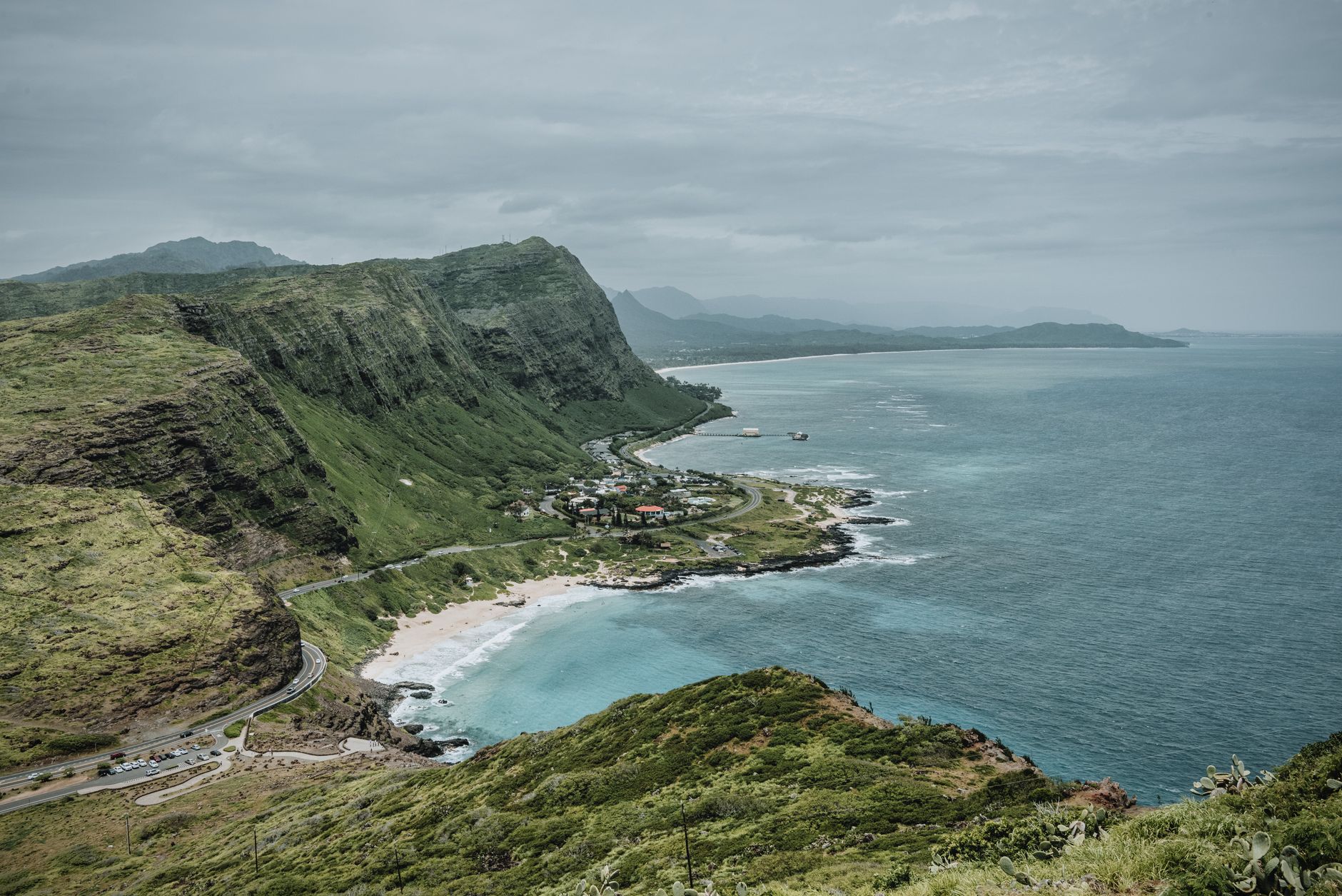
Oahu, known as “The Gathering Place,” is the third-largest island in Hawaii, offering a vibrant mix of stunning beaches, lush landscapes, and rich cultural experiences. This popular travel destination features diverse attractions that cater to adventurers, families, couples, and solo travelers alike.
Understanding how big Oahu is can help you plan your visit effectively, whether you’re hoping to explore its famous sites or seek out hidden gems. Let’s delve into the measurements, facts, and travel context of this unique island.
How Big Is Oahu?
Oahu spans approximately 597 square miles (1,546 square kilometers), making it the third-largest Hawaiian island after the Big Island and Maui. The island measures about 44.5 miles (71.6 kilometers) long and 30 miles (48.3 kilometers) wide at its widest point. Oahu’s size allows for a variety of landscapes and experiences within easy reach, making it perfect for both short getaways and extended stays.
Geographical and Cultural Significance
Oahu is home to around 1 million residents, with over 900,000 living in and around its capital, Honolulu. This unique mix offers visitors a vibrant urban experience alongside peaceful, nature-oriented escapes. Oahu’s rich history, culture, and local traditions significantly influence its identity, attracting travelers keen to experience both its public spaces and indigenous cultures.
Areas and Neighborhoods of Oahu
When exploring Oahu, understanding its main areas can help you decide where to stay and what to prioritize during your trip. Here’s a breakdown of some key neighborhoods:
- Honolulu: The capital city features a bustling urban environment with shopping, dining, and nightlife. Don’t miss iconic sites such as Pearl Harbor and the Iolani Palace.
- Waikiki: Known for its stunning beach and vibrant atmosphere, Waikiki is extremely popular among tourists. This area offers many surf schools, restaurants, and hotels, making it great for first-time visitors.
- North Shore: Famous for its world-class surfing beaches like Waimea Bay and Sunset Beach, North Shore is also home to quaint towns and farmer’s markets, appealing to nature lovers and surf enthusiasts.
- Central Oahu: Featuring lush greenery and historical sites, this area is less populated and provides a quieter visit. The Dole Plantation and the historic Waialua town are attractions worth exploring.
- East Oahu: A scenic drive along the coastline leads to beautiful locations such as Hanauma Bay and Lanikai Beach. This part of the island showcases breathtaking views and is less commercialized.
- West Oahu: Known for its natural beauty and cultural heritage, visit the Makua Cave or soak in the tranquil atmosphere of Ko Olina, where luxurious resorts and beachfronts await.
Practical Suggested Trip Length
The ideal duration for an Oahu trip varies depending on your interests. Generally, a stay of 5 to 7 days is recommended to experience a wide range of activities while providing adequate time for relaxation. Here’s a suggested plan:
- Days 1-2: Spend time in Honolulu and Waikiki, visiting the beach, local shops, and cultural landmarks.
- Day 3: Take a day trip to Pearl Harbor to learn about its history, followed by a visit to the Arizona Memorial.
- Days 4-5: Explore the North Shore, hit the surf, and visit local food trucks for a true taste of the area.
- Days 6-7: Relax on the beaches of East Oahu and explore hiking trails such as the Makapu’u Point Lighthouse Trail.
Climate and Seasonal Patterns
Oahu enjoys a tropical climate, which means warm temperatures year-round, typically ranging from 70°F to 85°F (21°C to 29°C). Nevertheless, travelers should consider seasonal patterns when planning their visit:
- Winter (December – February): This season attracts many visitors, especially around the holidays. Expect some rain and larger surf conditions on the North Shore, but it’s also ideal for observing surfers.
- Spring (March – May): A lovely time to visit, with mild temperatures and fewer crowds. Spring blooms enhance the island’s natural beauty, making it an excellent outdoor adventure period.
- Summer (June – August): Summer is hot, sunny, and humid, with temperatures occasionally climbing beyond the 90°F (32°C) mark. This peak season means crowded attractions but vibrant beach parties.
- Fall (September – November): This is often less crowded than summer, featuring warm weather and beautiful sunsets, making it an excellent time for outdoor activities.
Getting to Oahu
Most travelers arrive in Oahu through Daniel K. Inouye International Airport (HNL), located in Honolulu. The airport is well-connected with regular flights from the continental U.S. and other international airports.
Once in Oahu, you have several transportation options to explore the island:
- Rental Cars: Renting a car is one of the most convenient ways to explore Oahu. It provides the freedom to visit various attractions at your pace.
- Public Buses: TheBus system operates throughout Oahu, is affordable, and offers routes to most major attractions. However, it may not always be the fastest option.
- Taxis and Ridesharing: Taxis and ridesharing services like Uber and Lyft are available for convenient local transport.
- Bicycles: In certain areas, particularly around Waikiki, bicycle rentals are available, allowing you to enjoy the ocean breezes as you explore.
Attractions and Experiences on Oahu
Oahu is packed with attractions that cater to various interests, ensuring that visitors can make the most out of their trip. Here’s a selection of must-see sites:
- Pearl Harbor National Memorial: A deeply historic site, the memorial pays tribute to those who lost their lives during the attacks on December 7, 1941. Guided tours help visitors understand the significance of the events that took place.
- Waikiki Beach: Famous for its golden sands and vibrant atmosphere, it’s a great location for sunbathing, surfing lessons, or dining at beachfront restaurants.
- Diamond Head State Monument: This iconic volcanic crater provides invigorating hiking trails and one of the best views of the island from the summit.
- Hanauma Bay: A protected marine life conservation area perfect for snorkeling amidst colorful coral reefs and tropical fish.
- North Shore Beaches: Discover world-famous beaches like Sunset Beach and Waimea Bay, where you can witness surfers tackle massive winter waves or relax on beautiful sands.
- Byodo-In Temple: Located in the Valley of the Temples, this peaceful site is a replica of a Japanese temple and provides serene surroundings perfect for reflection.
- Potato Chip Rock: A famous photo opportunity, this rock formation offers a unique vista for those daring enough to hike the challenging trail.
- Local Food Trucks: Oahu is famous for its delicious local cuisine; don’t miss the chance to try the shrimp trucks on the North Shore and other food trucks scattered around the island.
Accommodation Options for Different Needs
Choosing the right accommodation helps to enhance your Oahu experience. Options range from luxury resorts to budget-friendly hostels. Here are some suggestions based on different needs:
- Luxury: Consider staying at high-end resorts in Waikiki or Ko Olina that offer stunning ocean views and extensive amenities.
- Mid-range: Options like boutique hotels or family-run inns often provide great comfort and more personalized service without breaking the bank.
- Budget: Hostels and budget hotels can be found throughout Honolulu, perfect for travelers looking to save on accommodation costs.
- Vacation Rentals: Airbnb and VRBO offer a range of options, including unique homes and beachfront properties ideal for families or groups.
Unique Local Customs and Responsible Visitor Behavior
When visiting Oahu, it’s important to respect local customs and engage responsibly with the local culture. Here are a few tips to keep in mind:
- Learn basic Hawaiian words and phrases. Locals appreciate when visitors try to communicate in their language.
- Follow proper beach etiquette. Respect the ocean and other beachgoers by ensuring you follow designated swimming and surfing zones.
- Stay on marked trails when hiking to minimize environmental impact and preservation of native plants.
- Try local cuisine from small businesses and food trucks, supporting the local economy and getting an authentic taste of the island.
- Be mindful of your waste. Carry reusable items and dispose of trash properly to help keep Oahu pristine.
Packing Tips for Your Oahu Trip
To make the most of your time on Oahu, packing appropriately is essential. Consider the following items for your trip:
- Comfortable beachwear and swim gear, including a rash guard for sunscreen protection.
- Hiking shoes for the various trails available on the island.
- A light jacket or sweater for cooler evenings and higher elevations.
- Reusable water bottles to stay hydrated as you explore.
- Sunscreen with high SPF, sunglasses, and a hat to protect against the sun.
- Lightweight clothing suitable for tropical weather.
- Your snorkel gear, although rentals are commonly available on the island.
Budget Considerations for Visiting Oahu
Oahu offers a wide range of options tailored to different budgets. Here are some budget considerations to keep in mind while planning your trip:
- Accommodation: Prices can significantly vary based on location and time of year. Budget travelers may find hostels or campsites more economical.
- Dining: Eating at food trucks or local cafes is generally more affordable than high-end dining establishments. Try a mix of local eateries and self-catering options, particularly if you have a kitchen.
- Attraction Costs: While some attractions like beaches are free, others, such as Pearl Harbor tours, may require ticket purchases. Prioritize what matters to you and book in advance where possible.
- Transportation: Use the public bus system for a cost-effective way to navigate the island, while ridesharing services can quickly add up, especially for longer trips.
Final Thoughts
Oahu’s combination of stunning landscape, rich history, and vibrant culture makes it a fantastic destination for any traveler. Understanding the island’s size, layout, and activities will enhance your journey, ensuring a memorable escape awaits. Whether you’re seeking adventure or relaxation, Oahu offers experiences that cater to all preferences.
As you plan your visit, consider exploring related destination guides, itineraries, or travel-planning tips. Check out When Is The Best Time to Go to Hawaii and Does It Snow in Hawaii for further insights as you prepare for your Oahu adventure.