
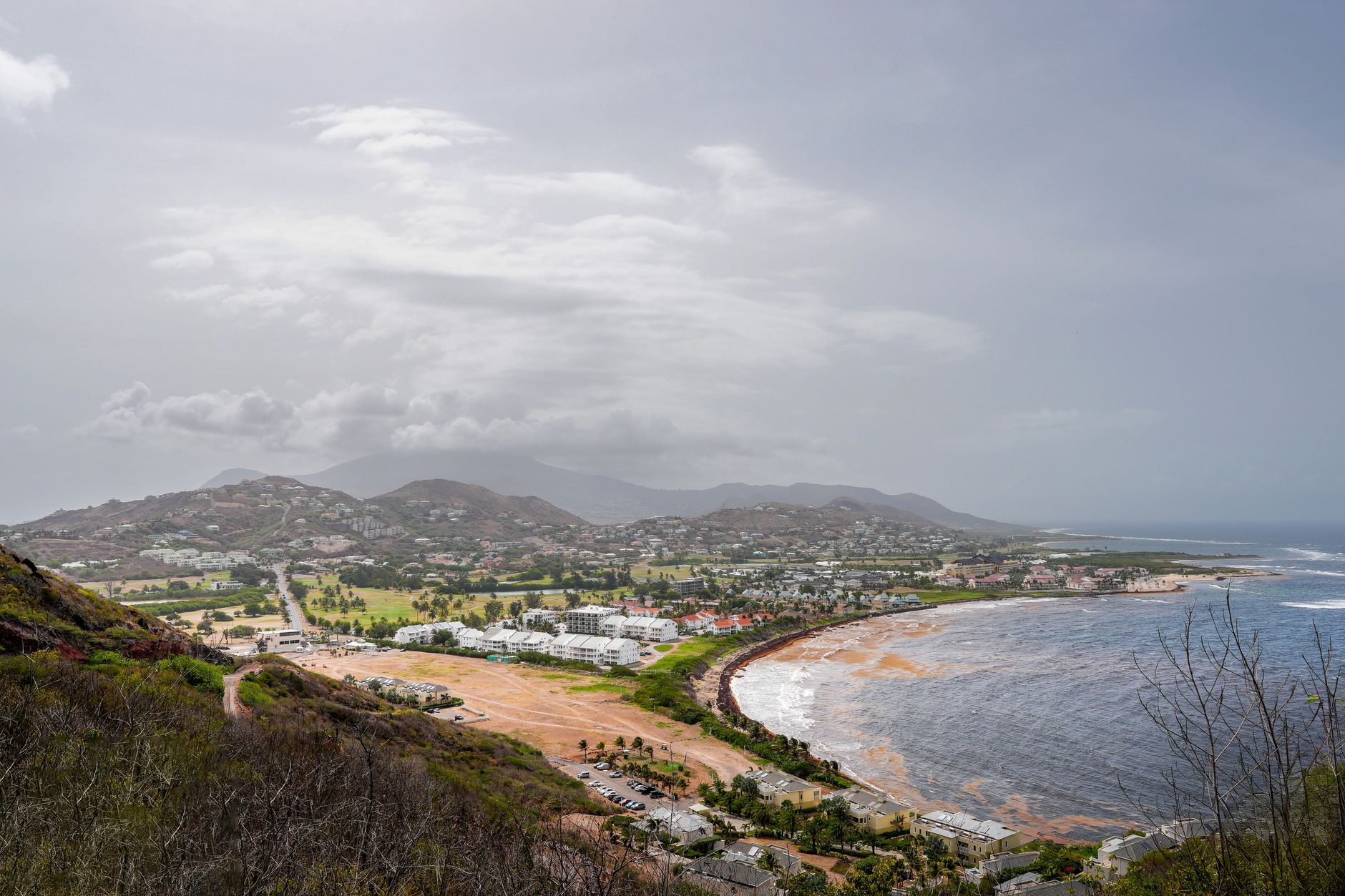
Aruba, a stunning Caribbean island known for its white sandy beaches and vibrant culture, lies just off the coast of Venezuela. Many travelers seeking sun and adventure often wonder how close this tropical paradise truly is to its South American neighbor.
The proximity of Aruba to Venezuela not only affects travel plans but also gives insight into the island’s diverse cultural influences. Understanding the distance and transportation options will enhance your travel experience and help you make informed decisions for your vacation.
How Close Is Aruba To Venezuela?
Aruba is approximately 15 miles (24 kilometers) north of the coast of Venezuela. This close distance means that, under ideal weather conditions, you can see the Venezuelan coastline from certain points on the island. The short distance also facilitates a range of travel options between the two locations.
To fully appreciate how close Aruba is to Venezuela, it is also essential to consider the logistics of traveling between the two. The most common methods include air travel and boat trips, each varying in duration and experience.
Getting to Aruba from Venezuela
Traveling from Venezuela to Aruba is made easy with regular flights and ferries. Here are the details on the available options:
Flights
The most efficient way to travel from Venezuela to Aruba is by air. Several airlines operate direct flights between major cities in Venezuela, such as Caracas and Maracaibo, and Aruba’s Queen Beatrix International Airport (AUA).
- Flight Duration: Approximately 1 to 1.5 hours, depending on the departure city.
- Airlines: Avianca, Conviasa, and Laser Airlines offer flights.
- Customs and Immigration: Be prepared for customs clearance upon arrival in Aruba.
Ferries
While not as frequent, ferry services do run between Venezuela and Aruba, particularly from Playa de Pëtar and other coastal cities. This option may provide a more scenic approach to your journey.
- Travel Time: Typically around 3 to 4 hours, depending on sea conditions.
- Booking Considerations: It’s advisable to book tickets in advance, especially during peak travel seasons.
Attractions and Experiences in Aruba
Once you’ve made the journey to Aruba, the island boasts a plethora of attractions that cater to an array of travelers, whether you’re looking for relaxation or adventure.
Beaches
Aruba is famous for its idyllic beaches, each offering something unique:
- Palm Beach: Known for its lively atmosphere and numerous resorts. Perfect for water sports and beach bars.
- Eagle Beach: Less crowded and celebrated for its soft sands and clear waters, ideal for relaxation.
- Baby Beach: A shallow, picturesque bay making it perfect for families and novice snorkelers.
Nature and Outdoor Adventures
For nature enthusiasts, Aruba presents several outdoor activities:
- Arikok National Park: Covering almost 20% of the island, this park offers hiking trails, caves, and unique flora and fauna.
- Snorkeling and Scuba Diving: Explore vibrant coral reefs at notable spots like the Antilla Shipwreck.
- ATV Tours: Discover the rugged terrains and hidden gems of Aruba on an exciting ATV tour.
Cultural Influences: Aruba and Venezuela
The close proximity of Aruba to Venezuela has led to a fusion of cultures that can be seen in the island’s language, food, and festivals.
Language
Aruba is a multilingual island where Papiamento is the official language, but Spanish, Dutch, and English are also widely spoken. This linguistic diversity reflects the island’s rich history and its ties to nearby Venezuela.
Cuisine
Aruban cuisine is a delightful blend that showcases influences from the surrounding Caribbean and Venezuela. Expect to find:
- Arepas: Venezuelan cornmeal cakes stuffed with various fillings.
- Pescado: Fresh grilled fish, a staple of both local and Venezuelan diets.
- Tostones: Fried green plantains popular across the Caribbean.
Festivals
Aruba hosts several festivals that celebrate its cultural diversity, including:
- Carnival: A vibrant celebration featuring parades, music, and dancing that draws influences from both Aruban and Venezuelan cultural traditions.
- Dia di San Juan: A celebration of St. John featuring local music and community gatherings.
Where to Stay in Aruba
When planning your stay in Aruba, the island offers various options to suit different needs and budgets. Here’s a breakdown of desirable areas:
Oranjestad
The capital city is characterized by colorful Dutch Colonial architecture, shopping areas, and close access to beaches.
- Pros: Vibrant nightlife, cultural attractions, and dining options.
- Cons: May be more crowded due to tourism.
Palm Beach
This area is known for luxury resorts and a lively beach scene, offering activities for all ages.
- Pros: Plenty of amenities, excellent water sports, and nightlife.
- Cons: Higher prices for accommodation and dining.
Eagle Beach
Ideal for a quieter experience, Eagle Beach provides a more laid-back atmosphere.
- Pros: Less crowded, beautiful sunsets, and relaxing vibe.
- Cons: Fewer nightlife options.
Transportation in Aruba
Getting around Aruba is relatively easy, thanks to various transportation options available.
Rental Cars
Renting a car is a popular choice, offering the flexibility to explore at your own pace.
- Availability: Numerous rental agencies are present at the airport and throughout the island.
- Driving Rules: Drive on the left side of the road; ensure to have a valid driver’s license.
Public Buses
The public bus system is another way to navigate the island, operating regularly between key areas, including Oranjestad and Palm Beach.
- Cost: Inexpensive and a great option for budget travelers.
- Schedule: Buses may not run frequently; check local schedules online for information.
Taxis
Taxis are readily available for hire. Make sure to confirm the fare before starting your journey.
When to Visit Aruba
Aruba enjoys a warm climate year-round, but certain seasons can impact your travel experience. The peak tourist season runs from mid-December to mid-April.
- Peak Season: Expect higher accommodation prices and larger crowds.
- Low Season: From mid-April to November, offering lower rates and fewer tourists, though occasional rain showers are common.
Budget Considerations for Traveling to Aruba
When planning your trip to Aruba, budgeting is key to making the most of your experience. Here are some considerations:
Flight Costs
Airfare can vary significantly depending on the season and departure location. Keep an eye on deals and promotions, and book in advance when possible.
Accommodation
Accommodation can range from budget guesthouses to high-end resorts. Expect to pay more for beachfront properties and higher-rated hotels.
Dining and Activities
Dining options vary widely from street food to gourmet restaurants. Exploring local food markets can help keep dining costs manageable. Additionally, many outdoor activities, such as hiking or beach days, can be done at little to no expense.
Exchange Rates
Remember to consider the currency exchange rates when budgeting. Aruba uses the Aruban Florin (AWG), but US dollars are widely accepted.
Practical Tips for Traveling Between Aruba and Venezuela
When planning your trip, keep these practical tips in mind:
- Check Travel Advisories: Stay informed about any travel restrictions or advisories between Aruba and Venezuela.
- Travel Documents: Ensure you have the necessary documents to enter both Aruba and Venezuela.
- Weather Considerations: Be mindful of the weather conditions, especially when traveling by ferry.
Safety Considerations
Traveling in and around both Aruba and Venezuela requires some awareness of safety conditions. Always stay informed of the current situation in both locations, especially in Venezuela, as certain areas may not be safe for tourists.
- Aruba: Generally considered safe for tourists, exercise usual precautions, particularly in crowded areas.
- Venezuela: Stay updated on safety advisories; certain areas in Venezuela may be unsafe for travel.
With Aruba’s enticing blend of beautiful landscapes and cultural-rich experiences, combined with its close proximity to Venezuela, travelers are sure to find an abundance of opportunities for exploration. Planning your travel has never been easier, with various options to choose from that cater to all types of travelers.
If you are considering further travel arrangements or are curious about specific attractions or activities, explore more about how far Aruba is from Venezuela and discover the ABC islands for potential adventures. Happy travels!