
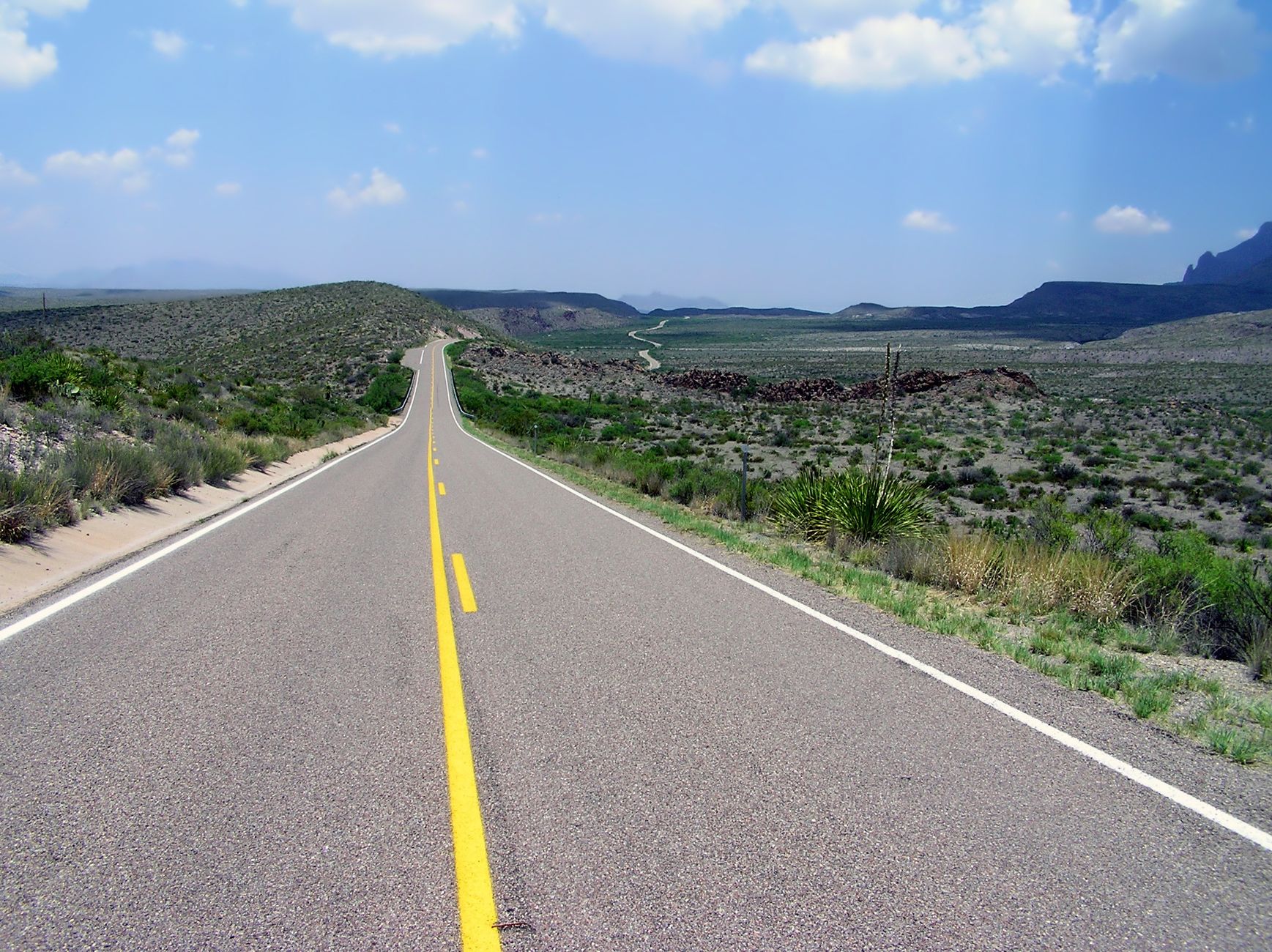
Understanding the distance between Texas and California is essential for planning a road trip, flight, or travel itinerary that encompasses both states. Knowing how far they are apart will help you decide whether to fly or drive, as well as plan your travel time effectively. This article provides comprehensive details on the distance, travel time, and the factors to consider when making your journey.
Texas and California are two of the largest states in the U.S., each boasting unique landscapes, cultures, and attractions. From the beaches of Southern California to the sprawling deserts and vibrant cities of Texas, traveling between the two can offer a variety of experiences in one trip.
How Far Is Texas from California?
The distance between Texas and California varies depending on the starting and ending points. Generally, if you’re traveling from cities like Dallas or Houston in Texas to Los Angeles or San Francisco in California, here are some approximate distances:
- Dallas, TX to Los Angeles, CA: roughly 1,400 miles (2,250 kilometers)
- Houston, TX to San Francisco, CA: approximately 1,700 miles (2,740 kilometers)
- San Antonio, TX to Los Angeles, CA: about 1,400 miles (2,250 kilometers)
- Austin, TX to San Francisco, CA: nearly 1,600 miles (2,575 kilometers)
The travel distance can make a significant difference in your trip planning, especially when deciding the best mode of transportation.
Travel Times: Driving vs. Flying
Depending on the method of travel you choose, the travel times will differ greatly. Here’s a breakdown:
Driving
For those who prefer road trips, driving distances can be covered in the following approximate times, assuming ideal conditions:
- Dallas to Los Angeles: around 20-22 hours of driving time.
- Houston to San Francisco: approximately 24-26 hours of driving time.
- San Antonio to Los Angeles: about 20 hours of driving time.
- Austin to San Francisco: roughly 25-27 hours of driving time.
Keep in mind that these times do not account for rest stops, traffic conditions, or inclement weather, so it’s wise to add extra time for a more realistic travel plan.
Flying
If you opt for air travel, the flight times will also vary:
- Dallas to Los Angeles: approximately 3.5 hours of flight time.
- Houston to San Francisco: roughly 4-4.5 hours of flight time.
- San Antonio to Los Angeles: about 3.5 hours of flight time.
- Austin to San Francisco: around 4 hours of flight time.
When flying, remember to include time for airport security and possible delays. Scheduling your flight ahead of time will often save you a considerable amount of money compared to last-minute tickets.
Planning Your Trip: Considerations and Tips
Simplifying your travel logistics will enhance your experience. Here are some considerations and tips that can help:
Modes of Transportation
- Flying: Best for quick travel. However, consider additional costs such as baggage fees, airport transfers, and parking.
- Driving: Ideal for seeing sights along the way. Factor in gas, food, and accommodation if it’s a multi-day journey.
Best Time to Travel
Weather can vary dramatically between Texas and California. Here’s a brief overview of seasonal patterns:
- Summer (June to August): High temperatures in Texas and heatwaves in California, particularly areas like Los Angeles. Be prepared for hot conditions.
- Fall (September to November): Generally mild weather in both states, great for road trips with lower tourist crowds.
- Winter (December to February): Cooler temperatures. Snow may appear in mountainous areas but generally mild in Southern California.
- Spring (March to May): Pleasant weather; it’s an excellent time to enjoy outdoor activities.
Attractions Worth Visiting Along the Way
If you choose to drive between Texas and California, consider stopping at some noteworthy attractions:
- Big Bend National Park: Located in Texas, it’s known for stunning landscapes and diverse wildlife.
- Guadalupe Mountains National Park: Offers hiking trails with breathtaking views in West Texas.
- White Sands National Park: Located in New Mexico, it’s famous for its white gypsum dunes.
- Grand Canyon National Park: While slightly off the direct route, this iconic landmark is well worth a visit.
- Joshua Tree National Park: A unique landscape featuring dramatic rock formations and picturesque Joshua trees in California.
- Death Valley National Park: Known for its extreme conditions, offers some of the most unique desert landscapes.
Incorporating sightseeing opportunities can turn a lengthy drive into a memorable adventure.
Accommodation Options During Your Journey
Finding suitable accommodation along your route can greatly enhance your travel experience. Here are some recommended areas to consider:
- El Paso, TX: A good halfway point, offering various hotel options and easy access to restaurants.
- Las Cruces, NM: Located near the Organ Mountains, with charming hotels and a vibrant local culture.
- Tucson, AZ: Great for a range of accommodations, from budget motels to comfortable hotels, within the stunning Sonoran Desert.
- Yuma, AZ: Offers a mix of chain hotels and local inns. It’s a good stop before entering California.
Planning where to stay in advance can save you from unexpected surprises and allow you to ensure that your accommodations meet your needs.
Budget Considerations
When estimating your travel budget, consider the following aspects:
- Transportation Costs: Calculate fuel, airport fees, and potential vehicle rental costs.
- Accommodation: Prices fluctuate significantly depending on location and time of year.
- Food: Budgeting for meals, whether dining at restaurants or packing travel snacks, is essential.
- Attractions: Some attractions may have entry fees, while others may be free or donation-based.
Understanding these factors will help you manage expenses effectively and plan a trip that is enjoyable and financially feasible.
Traveling with Family or Solo: Tips
Your travel dynamics may change depending on whether you’re traveling alone, with friends, or with family. Here are some tailored suggestions:
Family Travel
- Plan frequent breaks for children to stretch their legs and explore.
- Incorporate family-friendly attractions, such as zoos or museums, into your itinerary.
- Pack entertainment for long stretches of driving.
Solo Travel
- Stay in hostels or budget-friendly hotels to socialize with fellow travelers.
- Use your journey as a chance to discover personal interests along the way, such as hiking or photography.
- Research local events that you might want to attend during your travels.
Health and Safety Considerations
Your health and safety while traveling should be a priority. Keep these tips in mind:
- Stay hydrated, especially in warmer weather.
- Know emergency contacts and have a first-aid kit available.
- Check condition updates for any health alerts in the states you’ll be traveling through.
Being preventative with your health and safety will contribute to a more enjoyable travel experience.
Conclusion
Traveling from Texas to California offers varied experiences, whether you opt for a scenic road trip or a quick flight. By understanding the distances, planning your time wisely, and considering your travel preferences, you can craft a trip that is fulfilling and enjoyable.
As you start planning your journey, don’t forget to explore related travel guides and tips for your next adventures. Check out how far Texas is from Florida and see how that might fit into your travel plans or learn how far Hawaii is from California for a unique vacation experience!