
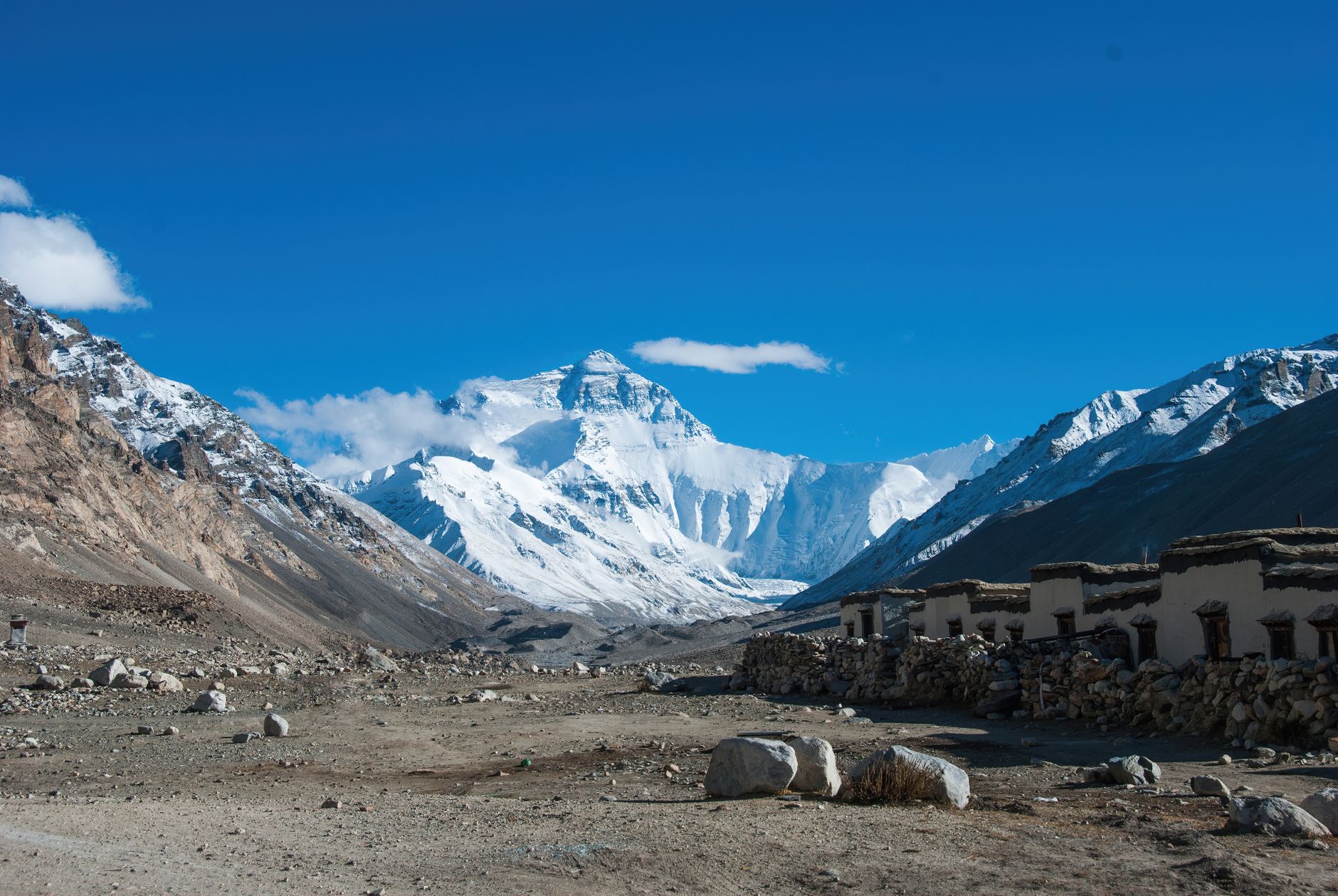
Climbing Mt. Everest, the world’s tallest mountain, is a dream for many adventurers and mountaineers. However, it requires careful planning, determination, and commitment. One of the most important questions aspiring climbers ask is, “How long does it take to climb Mt. Everest?” Understanding the factors involved in timing your ascent is crucial for a successful expedition.
This timing guide aims to provide a comprehensive understanding of the duration and factors that determine how long it takes to reach the summit of Mt. Everest, including acclimatization, weather considerations, and typical climbing routes.
How Long Does It Take to Climb Mt Everest?
The standard ascent of Mt. Everest usually takes about two months from when climbers arrive in Nepal until they return to base camp after summiting, which takes approximately 8 to 10 days. This time frame accounts for acclimatization, waiting for favorable weather conditions, and the actual climb itself. Let’s delve deeper into the specifics of planning a successful expedition.
Factors Influencing Climb Duration
Several key factors influence how long it will take to climb Mt. Everest:
- Acclimatization: Climbers must acclimatize to higher altitudes gradually. This process typically involves spending time at base camp and making shorter, lower-altitude climbs before attempting the summit.
- Weather Conditions: Climbers must wait for favorable weather windows, which can be unpredictable and often dictate the ascent timeline.
- Climbing Route: The chosen climbing route, whether via the south side (Nepal) or the north side (Tibet), can affect the length of the expedition.
- Climbing Teams: The size and experience of the climbing team can also influence overall speed and response times during the climb.
Typical Itinerary for Climbing Mt. Everest
A typical itinerary for climbing Mt. Everest spans approximately 60 days, broken down as follows:
- Arrival in Kathmandu: Spend 1-2 days getting through the visa process, equipment checks, and final preparations.
- Travel to Base Camp: An approximately 8-10 day trek from Lukla to Everest Base Camp (EBC), allowing for acclimatization along the way.
- Acclimatization at Base Camp: Spend around 2-3 weeks at EBC, acclimatizing and preparing for the summit push.
- Climbing Period: The actual climbing of Everest typically takes 5-7 days, including ascending to the summit and returning safely.
- Descent: Allocate about 2-3 days for descent back to Base Camp from the summit and then back to Lukla.
- Return to Kathmandu: Finalize the trip with a return trek and meet with the rest of the team in Kathmandu.
Acclimatization: The Key to Success
Acclimatization is essential to successfully climbing Everest. This process allows climbers to adapt to reduced oxygen levels at higher altitudes. Below are some acclimatization strategies and steps involved:
Steps for Effective Acclimatization
- Slow Ascent: Gradually ascend in elevation to give your body adequate time to adjust. Don’t rush to the summit.
- Rotation Climb: Perform rotation climbs by ascending to higher camps and returning to base camp to recover.
- Hydration and Nutrition: Maintain proper hydration and nutrition to support your body’s acclimatization process.
Common Acclimatization Schedules
Expeditions often include a structured acclimatization schedule. Here’s a common breakdown:
- Days 1-3: Arrival at Base Camp
- Days 4-8: Climb to Camp 1 (6,065m) and return to Base Camp
- Days 9-12: Climb to Camp 2 (6,400m) and return to Base Camp
- Days 13-16: Climb to Camp 3 (7,200m) and return
- Days 17-23: Final preparations and wait for summit weather
Climbing Routes: South vs. North
Choosing the right climbing route is crucial in determining your overall timeline. The two primary routes to the summit of Everest are the South Route from Nepal and the North Route from Tibet. Here’s how they compare:
| Factor | South Route (Nepal) | North Route (Tibet) |
|---|---|---|
| Access | Managed via Lukla flights | Access via Tibet requires a tour guide |
| Camps and Facilities | Base Camp amenities are well-established | More rustic accommodations at Base Camp |
| Summit Push | Steeper, with the “Hillary Step” | Less steep with the “Northeast Ridge” |
| Permit Costs | Permit required for various services | Higher fee due to Chinese regulations |
Weather Considerations
Weather plays a pivotal role in climbing Mt. Everest. The best time to attempt the climb is in the pre-monsoon season, typically from late April to late May. Here’s what to expect:
- Wind Speeds: May often brings the least wind and calmest weather, ideal for climbing.
- Temperatures: Temperatures can plummet as you ascend, reaching lows of -30°C (-22°F) or lower at the summit.
- Summit Window: Climbers should monitor weather forecasts to find the best time for the summit push, as a small window may occur after a period of bad weather.
Climbing Gear and Preparation
Proper preparation and quality gear are critical for a successful ascent. Here’s a list of essential climbing gear:
- Insulated and waterproof mountaineering boots
- High-quality expedition-grade down jackets
- Gloves and balaclava for cold protection
- Multiple layers of thermal base and mid layers
- High-altitude tents and sleeping bags
- Climbing harness, ice axe, and crampons
Climbing Gear Checklist
Create a detailed gear checklist to ensure no essential item is overlooked when preparing for your climb.
Cost Considerations
The cost of climbing Mt. Everest varies significantly based on the trekking agency, support services, and equipment. Some key cost factors include:
- Climbing Permit: A permit for climbing can range from $11,000 to $25,000, depending on the route.
- Expedition Packages: Organized expeditions typically charge between $30,000 and $100,000 per person, inclusive of guide services, accommodations, and logistics.
- Travel Insurance: Adequate travel insurance is necessary and can cost around $200 to $500 depending on coverage.
Health and Safety Precautions
Ensuring good health while climbing Everest is paramount. Some precautions include:
- Regular health assessments before and during the expedition
- Robust acclimatization procedures to prevent altitude sickness
- Emergency medical supplies and evacuation plans in place
Environmental Considerations
As an eco-conscious climber, it’s essential to practice Leave No Trace principles. Key practices include:
- Carrying out all waste including human waste
- Avoiding plastic-based gear
- Respecting the local environment and wildlife
Bringing It All Together
Planning to climb Mt. Everest is no small feat; it requires a thorough understanding of the timing, preparation, weather, routes, and costs. If done right, this expedition can be an unforgettable achievement but remember that flexibility and respect for the mountain are essential.
As you prepare for this adventure, be sure to allow ample time for acclimatization, monitor climate conditions, and remain focused on safety first.
For those keen to explore related information about climbing Mt. Everest, don’t miss our detailed guide on how long does it take to climb Mt. Everest.