
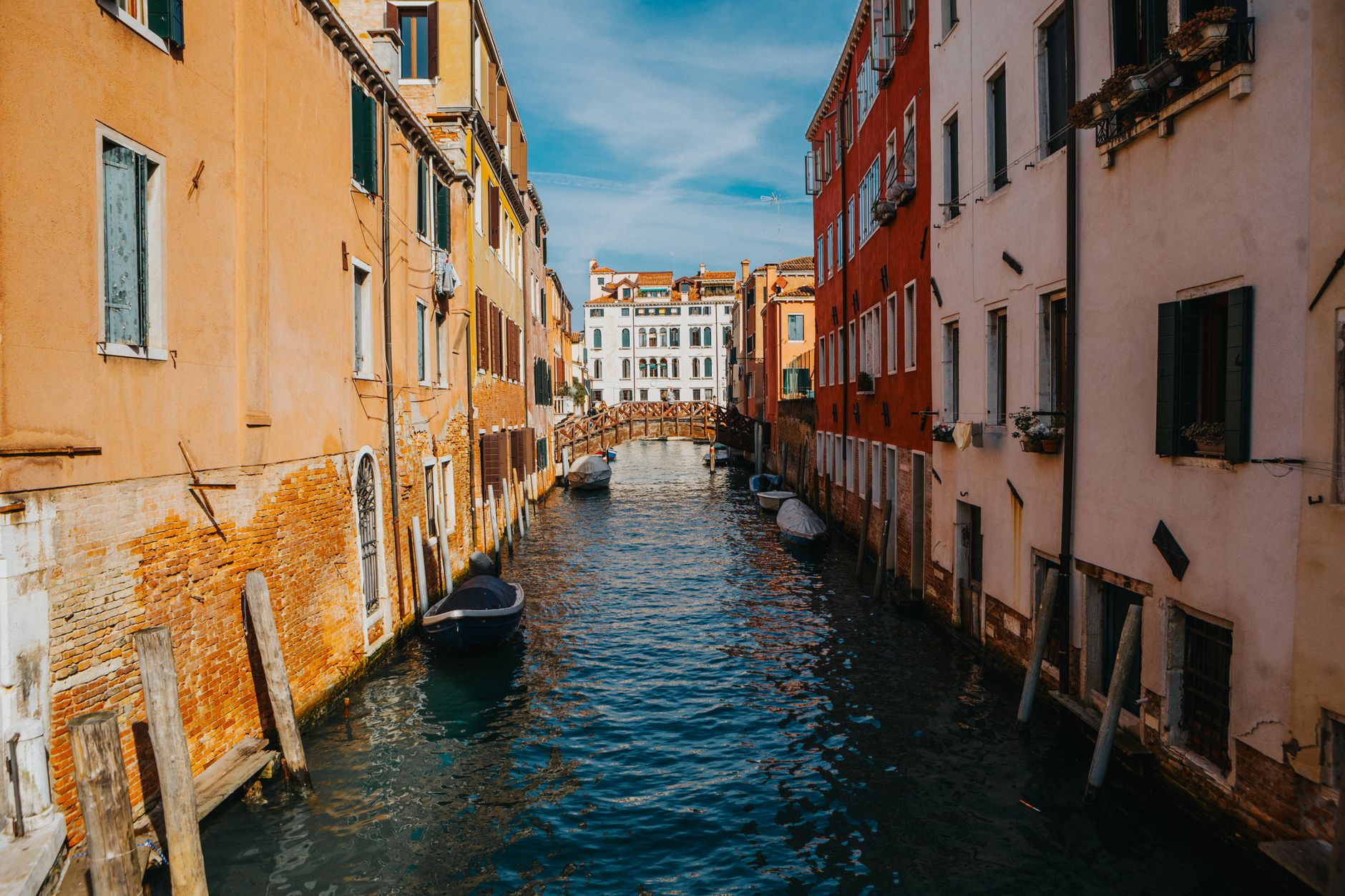
Venice, renowned for its enchanting canals and striking architecture, is not just a single city but a collection of islands. This uniqueness contributes to its charm and historical significance, making it a compelling destination for travelers. Understanding how many islands comprise this remarkable city and what each has to offer can enhance your visit.
There are 118 islands in the Venetian lagoon, each with its distinct character and allure. Some are well-known and bustling with visitors, while others are more tranquil and filled with local culture. This guide will help you navigate the many islands of Venice, highlighting their individual attractions, how to explore them, and tips on making the most of your trip.
How Many Islands Are in Venice?
In total, Venice is made up of 118 islands. These islands are spread across a lagoon that covers approximately 550 square kilometers. The most famous of these islands include the main island of Venice itself, Murano, Burano, and Torcello. Together, they create a vibrant tapestry of culture, art, and history that reflects the unique heritage of the region.
Exploring the Main Islands
While all 118 islands contribute to the overall charm of Venice, a few of them stand out as essential stops for visitors. Below are the key islands you should consider including in your itinerary.
1. Venice (Venezia)
The primary island and heart of the Venetian experience, Venice is famous for its canals, bridges, and historical landmarks. Visitors flock to iconic sites such as St. Mark’s Basilica, the Doge’s Palace, and the Grand Canal. With a population of around 260,000 people and a complex system of waterways, the vibrant atmosphere offers a wealth of activities and experiences.
2. Murano
Just a short boat ride from Venice, Murano is famed for its glass-making industry. The island houses numerous glass workshops and museums where visitors can witness artisans create exquisite pieces of art. Don’t miss the chance to explore the Museo del Vetro (Glass Museum) and shop for unique souvenirs. The tranquil canals and picturesque bridges also make Murano a pleasant place to wander.
3. Burano
Known for its colorful houses and lace-making tradition, Burano is another popular island that offers a charming atmosphere. The vibrant buildings make for stunning photographs, and visitors can explore the Lace Museum to learn about the island’s lace-making history. Enjoying fresh seafood at one of the local restaurants is a must when visiting Burano.
4. Torcello
Torcello is one of the less crowded islands, providing a more serene experience. Once a bustling center of trade, it now offers a mix of historical significance and natural beauty. The Cathedral of Santa Maria Assunta, with its stunning mosaics, is a highlight. Nature lovers will appreciate the island’s lush landscapes and peaceful ambiance.
Getting to the Islands
Traveling between the islands of Venice is primarily done via water transport. The Vaporetto (water bus) is the most popular option, providing a convenient and scenic way to explore the lagoon. It operates on regular schedules and connects all the main islands. Water taxis are also available for a more personalized experience but can be more expensive.
Another option is to sign up for a guided tour that includes transportation between the islands, which can often provide deeper insights into the history and culture of each location.
Best Time to Visit the Islands
The best times to visit Venice and its islands are during spring (April to June) and early autumn (September to October). The weather during these months is generally mild, with fewer crowds compared to peak summer tourism. Additionally, visiting in these seasons allows travelers to enjoy the natural beauty of the islands without overwhelming tourist traffic.
Summer months can be hot and overcrowded, while winters may bring occasional flooding that can affect transportation and accessibility. The Acqua Alta phenomenon, where waters rise and flood parts of Venice, typically occurs between November and March, so checking forecasts ahead of time is advisable.
Suggested Length of Stay
A recommended length of stay in Venice is 3 to 4 days, allowing time to explore the main island as well as venture out to Murano, Burano, and Torcello. Each island offers unique experiences that warrant a full day or at least a few hours to truly appreciate their charm and attractions. This timeframe also allows for leisurely exploration and a chance to soak in the city’s ambiance without rushing.
Things to Do on Each Island
Below are some suggestions for activities and attractions you should include in your visit to each of the major islands.
Venice
- Visit St. Mark’s Basilica: Known for its stunning Byzantine architecture and mosaics.
- Take a gondola ride: Experience Venice’s iconic canals in a traditional gondola.
- Explore the Rialto Market: Sample local produce, seafood, and Venetian specialties.
- Wander through the Doge’s Palace: Discover the rich history of Venice’s rulers.
Murano
- Visit a glass factory: Watch skilled artisans create beautiful glass pieces.
- Explore the Glass Museum: Learn about the history and technique of glass-making.
- Stroll along the canals: Enjoy scenic views and photography opportunities.
Burano
- Tour the Lace Museum: Discover the art of lace-making that Burano is famous for.
- Enjoy a seafood meal: Indulge in fresh local cuisine at a waterfront restaurant.
- Take photos of the colorful houses: Capture the vibrant essence of the village.
Torcello
- Visit the Cathedral of Santa Maria Assunta: Admire the stunning mosaics.
- Walk to the Attila’s Throne: Explore the island’s historical landmarks.
- Enjoy nature: Wander through the peaceful landscapes and natural reserves.
Accommodation Options
When planning your stay in Venice and its islands, you will find various accommodation options ranging from luxury hotels to budget-friendly hostels. Below is a breakdown of where you can stay based on your budget and preferences.
Luxury Stays
Mid-Range Options
Budget Choices
Food and Drink on the Islands
Venice boasts a rich culinary scene, and each island has its own specialties. Here are some must-try dishes and drinks during your visit.
Traditional Venetian Dishes
- Risotto al Nero di Seppia: Squid ink risotto, a local favorite that’s rich in flavor.
- Sarde in Saor: Sardines cooked in a sweet and sour onion sauce.
- Bigoli in Salsa: A traditional pasta dish served with a savory anchovy sauce.
Sweet Treats
- Baicoli: Light and crispy biscuits, perfect for enjoying with coffee or tea.
- Tiramisu: This dessert hails from the area and is a must-have for visitors.
Local Drinks
- Spritz: A popular Venetian aperitif made with Prosecco, Aperol, and soda water, ideal for summer afternoons.
- Prosecco: Known worldwide, this sparkling wine is a staple of Veneto.
Transportation Tips
Getting around in Venice and its islands requires some planning, especially due to the unique water-based transport system. Here are some tips for navigating the area:
- Use the Vaporetto: It’s the most efficient way to travel between islands and explore the city’s canals.
- Consider purchasing a travel pass: These passes can save money if you plan to use the Vaporetto several times.
- Walk when possible: The main island is best explored on foot due to its narrow streets and charming alleys.
- Avoid peak hours: Try to travel early in the day or late afternoon to avoid crowded water buses.
Accessibility Considerations
While Venice is a beautiful destination, accessibility can be a challenge due to its many bridges and cobbled streets. For those with mobility issues, it’s crucial to plan ahead:
- Research accessible Vaporetto options: Some boats have accessibility features.
- Choose accommodations close to major attractions: This can minimize walking distances.
- Consider guided tours: Some operators offer accessible tours that cater to those with limited mobility.
Safety Tips for Travelers
As with any travel destination, safety is a priority. Here are a few tips for staying safe in Venice:
- Be aware of pickpockets: Keep a close eye on your belongings, especially in crowded areas.
- Watch for slippery surfaces: Navigating the canals can lead to wet paths.
- Check travel advisories: Stay informed about any local guidelines or requirements, especially when it comes to health and safety.
Venice is a multifaceted destination that goes beyond its main attractions. By exploring its 118 islands, you can experience a wide range of cultural, historical, and culinary offerings. From the glassmaking of Murano to the lacemaking of Burano, each island adds flavor to the Venetian story.
For a thorough journey through the unique experiences that Venice and its islands offer, plan your time wisely and savor every moment. Your adventure in this floating city and its surrounding treasures will undoubtedly be a highlight of your travels.
For more travel inspiration, explore our guides on traveling in Venice and things to do in Venice. Whether you’re looking for tips on adventures or places to visit, we’ve got you covered.