
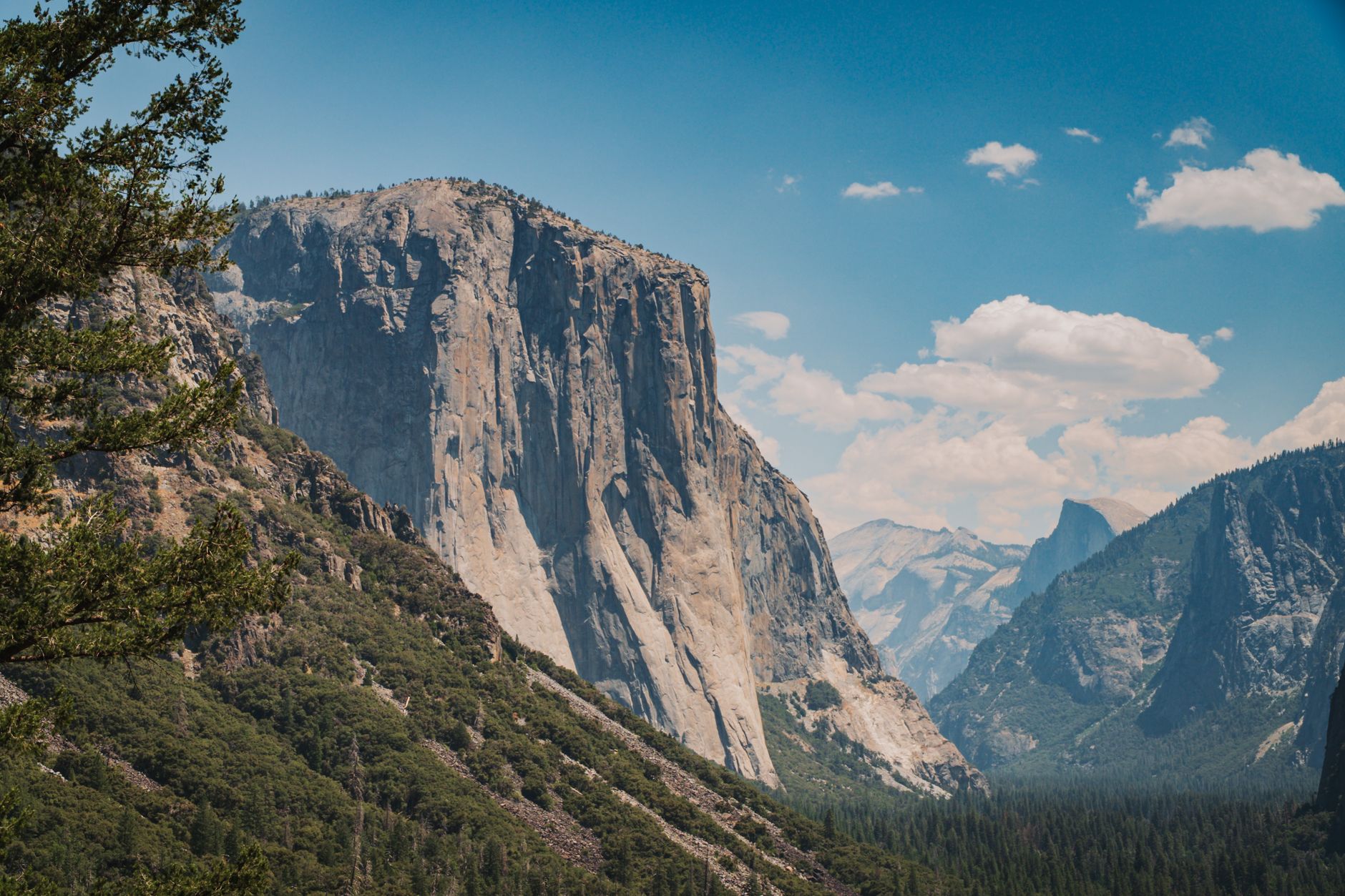
The United States is home to a breathtaking variety of natural landscapes, preserved within a network of national parks. As of now, there are 63 designated national parks across the country, each offering unique opportunities for adventure, exploration, and connection with nature. This guide will help you learn more about these magnificent parks and how to plan your visit.
From the iconic peaks of Yellowstone to the stunning landscapes of the Great Smoky Mountains, the national parks offer diverse environments that cater to outdoor enthusiasts, families, and solo travelers alike. This article will detail what you need to know about visiting national parks in the U.S., including tips for planning and making the most of your adventure.
How Many National Parks Are There In The US?
Currently, there are 63 national parks in the United States, each managed by the National Park Service. These parks span a wide variety of ecosystems, geology, and historical significance, making them vital for conservation and accessible for visitors seeking natural beauty.
The Importance of National Parks
National parks serve multiple purposes, providing protection for wildlife and ecosystems, preserving historical sites, and offering recreational opportunities for the public. They form part of a larger conservation strategy to protect the U.S. environment for future generations.
Notable National Parks in the US
When discussing national parks, it’s essential to highlight some of the most popular and distinctive ones. Here are a few that frequently attract visitors:
- Yellowstone National Park – Established in 1872, it’s the first national park in the world and is famous for its geysers, hot springs, and diverse wildlife.
- Yosemite National Park – Known for its striking granite cliffs, waterfalls, and giant sequoias, it’s a haven for climbers and nature lovers.
- Grand Canyon National Park – Renowned for its stunning vistas and hiking trails, it showcases the breathtaking views of the Colorado River.
- Great Smoky Mountains National Park – This park is noted for its rich biodiversity and mist-covered mountains, making it a favorite for hikers.
- Zion National Park – Famous for its steep red cliffs and canyoneering opportunities, offering stunning views and thrilling adventures.
Planning Your Visit to National Parks
Visiting national parks requires some planning to ensure an enjoyable experience. Here, we break down key factors to consider before hitting the trails.
Choosing the Right Time to Visit
The best time to visit a national park largely depends on the terrain and the activities you are interested in. Generally, spring and fall are ideal for most parks due to moderate temperatures and fewer crowds.
- Spring – Many parks bloom with wildflowers, and temperate weather allows for hiking.
- Summer – While the warm weather provides great conditions for camping and water activities, this is peak season, so expect larger crowds.
- Fall – Autumn foliage adds breathtaking views while usually being less crowded than summer.
- Winter – Some parks may close access roads due to snow; however, winter sports like skiing and snowshoeing are available in certain locations.
How Long to Stay
The length of your stay largely depends on which parks you plan to visit and the activities you want to undertake. Generally, a 3-5 day visit allows you to explore major attractions, hike, and fully experience the park’s beauty.
Accommodation Options
National parks offer various accommodation options, catering to different budgets and styles. Here are a few types you may encounter:
- Camping – Many parks have campgrounds available, allowing you to immerse yourself in nature.
- Lodges – Some parks feature historic lodges; they may require advanced reservations due to their popularity.
- Hotels/Motels – Nearby towns often have various accommodations, from budget motels to upscale hotels.
National Parks Majestic Experiences
Each national park offers unique attractions and activities. Here are a few highlights to enhance your visit:
Outdoor Activities
Most national parks are perfect for a variety of outdoor activities:
- Hiking – Trails range from easy walks to strenuous backcountry excursions, providing options for all ability levels.
- Wildlife Viewing – Keep your eyes peeled for native species, including bears, deer, and various birds.
- Photography – Capture stunning landscapes, whether it’s sweeping valleys, star-filled night skies, or wildlife action shots.
- Water Activities – Parks with lakes or rivers may offer kayaking, rafting, or fishing opportunities.
Guided Tours
Many parks offer guided tours or ranger-led programs. These can provide valuable insights into the park’s ecology, geology, and history, enhancing your visit.
Visitor Centers
Visitor centers are fantastic resources for planning your visit. They often have exhibits, films, and knowledgeable staff to answer your questions and provide maps.
Accessibility Considerations
Most national parks strive to enhance accessibility for visitors with disabilities. Facilities such as accessible trails, restrooms, and parking areas are often available. Check specific parks’ accessibility features on their official websites or contact the visitor center for detailed information.
Budgeting for Your National Park Trip
When planning your national park visit, your budget will play a critical role. Here are some practical considerations:
Entry Fees
There is usually an entry fee for national parks, which can range from $10 to $35 per vehicle, depending on the park. Annual passes are available for frequent visitors, and certain days throughout the year often feature free entry.
Accommodation Costs
Accommodation prices vary significantly based on location and time of year. Camping is generally the most cost-effective option, while lodges might be more expensive. Book in advance to secure the best rates.
Food Expenses
If you plan to dine in park restaurants, consider that prices may be higher than average. Alternatively, bring your meals if you’re camping or staying in accommodations with kitchen access.
Transportation to the Parks
Getting to and around national parks is vital for a successful trip. Here are some thoughts on transportation:
Driving
Driving is often the most convenient way to reach national parks, especially if you plan to visit multiple locations. National parks usually have several access points and miles of scenic roads.
Public Transportation
While some parks have shuttle services, public transportation options can be limited. Research each park ahead of time to determine available transportation.
Biking
Many parks permit biking on specific trails, providing an alternative way to explore the stunning landscapes at your pace.
Safety Precautions in National Parks
Safety should always be a priority when visiting national parks. Here are some essential tips:
- Stay on marked trails – This helps protect the environment and ensures your safety.
- Keep a safe distance from wildlife – Observing animals from afar is crucial for both your safety and theirs.
- Be prepared for changing weather – Weather conditions can change rapidly in national parks, so pack accordingly.
- Know your limits – Choose activities and hikes that suit your fitness level.
Conclusion
With 63 national parks to explore, the United States offers diverse experiences for everyone. From breathtaking vistas and unique wildlife to outdoor adventures and educational opportunities, the national parks are worth your time and exploration. Planning ahead with considerations for timing, accommodation, transportation, and safety will ensure a memorable visit.
Ready to start your adventure? Explore more by checking out our guides on how to maximize your visit, including how many national parks in the US and exciting things to do in Washington State.