
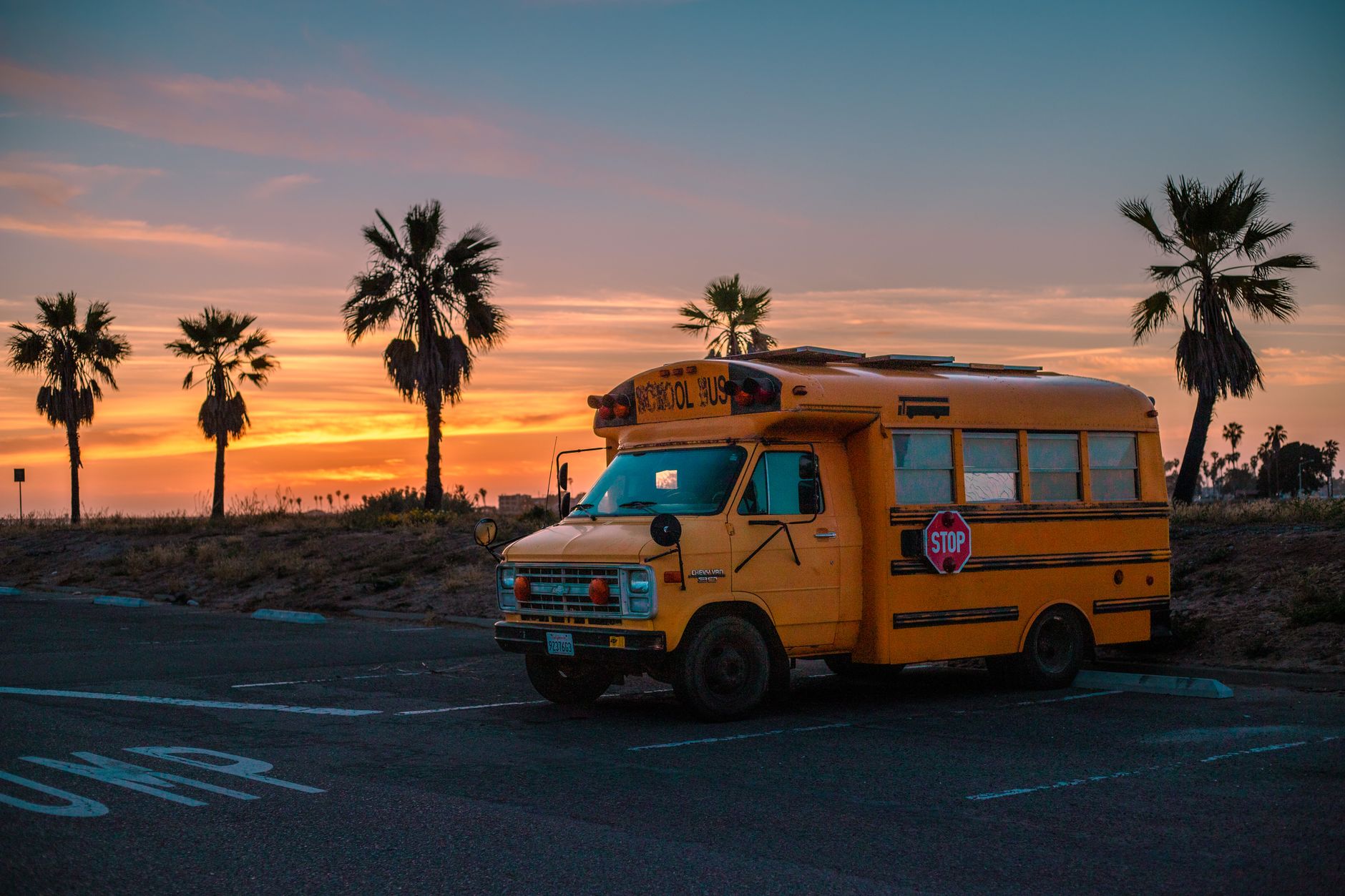
When considering transportation options for trips involving groups – whether it’s a school field trip, community event, or sports team travel – understanding how many seats a school bus has is essential. This practical knowledge can help in planning logistics effectively, determining the number of buses required, and ensuring comfort during travel.
School buses are specifically designed for passenger transport with safety and efficiency in mind. Knowing the seating capacity can streamline many aspects of planning and coordination when organizing any group travel that involves a school bus.
How Many Seats Are On A School Bus?
A standard school bus typically has seating for around 44 to 54 passengers, depending on the model and configuration. Most school buses have a seating configuration of approximately three seats on each side of the aisle, with wide benches that can accommodate two to three students per seat.
Factors such as the age and model of the bus, as well as its intended use, can affect these numbers. Additionally, it’s essential to recognize that while the maximum seating capacity can be higher, it often depends on the combined weight of passengers, as safety regulations also dictate weight limits.
Understanding School Bus Configurations
School buses come in various types and sizes, which can influence seating capacity. Here’s a closer look at the different configurations:
Type A School Buses
Type A buses are smaller than other models and often used for transporting preschoolers or smaller groups. These buses usually have a capacity ranging from 10 to 30 passengers, making them suitable for local routes or smaller organizations.
Type B School Buses
Type B buses are slightly larger and generally have a capacity of 30 to 54 passengers. Designed for local routes, they are ideal for middle school and high school students, accommodating a comfortable number of seats without being overwhelmingly spacious.
Type C School Buses
Type C buses, often known as conventional buses, are the most common in school districts, accommodating 44 to 72 passengers. They generally feature three seats on either side of the aisle and are the standard choice for larger schools.
Type D School Buses
Type D buses are the largest and can carry up to 90 passengers. These HD models often come equipped with features enabling them to transport large groups for events or extended trips.
Factors Influencing Seating Capacity
When evaluating how many seats are on a school bus, consider the following factors that can influence capacity:
- Bus Model: Different models have different designs, affecting the number of seats available.
- Safety Regulations: Adhering to safety standards can limit the maximum number of passengers allowed.
- Passenger Size: Some seating arrangements are designed for children, which can influence how many students can fit comfortably.
- Seat Design: Some buses offer “compartmentalization” features to ensure safety, impacting seating arrangements.
Utilizing School Buses for Group Travel
When planning group travel, using school buses can be a practical choice. They offer several benefits, including safety, affordability, and spaciousness. Here’s how to effectively use school buses for group trips:
1. Determine the Number of Passengers
Before deciding how many buses you need, count the total number of passengers. Factor in any chaperones or facilitators to ensure everyone fits comfortably.
2. Contact Local School Districts or Bus Services
Reach out to local school districts or bus services. They can provide specific information about their fleet, seating capacities, and availability. Many allow for rental services for community events.
3. Consider Routes and Stops
Plan the routes and stops in advance. This can help in determining how many buses will be necessary, especially if multiple destinations are involved.
4. Check Accessibility Options
When traveling with individuals who have accessibility needs, ensure that your chosen buses are equipped appropriately. Many school buses offer wheelchair accessibility and designated seating.
5. Assess Travel Duration
Longer travel durations can require additional planning for stops and comfort for passengers. Consider scheduling breaks to ensure students can move around and stretch during long journeys.
Budgeting for School Bus Rentals
Incorporating school buses into your event planning can offer excellent value, but it’s essential to budget appropriately. Here are some considerations to keep in mind:
1. Rental Costs
Rental costs can vary based on distance, duration, and how many buses you need. Always request quotes from multiple companies to compare prices.
2. Additional Fees
Be aware of potential additional fees such as fuel charges, driver fees, or costs for long distances. Ensure that all costs are outlined in the contract or agreement beforehand.
3. Organizing Payments
Determine how costs will be divided among participants. Consider collecting fees in advance to ensure all expenses are covered comfortably.
Best Practices for Traveling on School Buses
Traveling on school buses can be a joyful experience, but it’s essential to establish guidelines to ensure safety and good behavior throughout the journey. Here are some best practices:
- Communicate Rules: Before heading out, outline the rules for behavior and expectations during travel.
- Assign Chaperones: Having responsible adults accompany students can help manage the group and maintain order during the journey.
- Encourage Comfort: Remind students to dress comfortably and pack snacks or water for the ride.
- Establish Meeting Points: Clearly define where the group will meet at stops or destinations.
Safety Regulations for School Buses
Safety is paramount when it comes to transporting groups in school buses. The following regulations and guidelines are important to uphold:
1. Seatbelts and Safety Features
Most newer school buses come equipped with seat belts, and it’s crucial to ensure everyone is buckled up properly. Additional safety features like compartments provide extra protection during travel.
2. Driver Qualifications
Drivers of school buses are typically required to undergo extensive training, including safety regulations and first aid training, ensuring they are prepared for emergencies.
3. Regular Maintenance
Rental companies should provide proof of regular maintenance and inspections on their buses. This ensures that the vehicles are safe and roadworthy.
Environmental Considerations
Utilizing school buses for group travel can be a more environmentally friendly option compared to multiple cars. Larger capacities mean fewer vehicles on the road, which helps reduce emissions and traffic congestion.
Emphasizing Eco-Friendliness
Encouraging passengers to be mindful of waste can promote a sustainable travel experience. Here are some ideas:
- Pack Reusable Containers: Encourage the use of tin or glass containers for snacks and meals.
- Utilize Digital Materials: Instead of paper, share itineraries or information digitally whenever possible.
- Promote Carpooling: If smaller groups are traveling, organizing carpooling can further reduce the environmental impact.
Types of School Bus Services Available
Many options exist for renting or hiring school buses, each catering to different needs:
1. Regular School Bus Services
Regularly operated by school districts, these buses serve daily student transportation but are often available for rental by community groups.
2. Charter Bus Services
Charter buses are specifically tailored for longer trips and special events, offering varying amenities including restroom facilities, comfortable seating, and air conditioning.
3. Shuttles for Events
Many rental services offer shuttle buses for large events, such as field trips or sporting events, designed for shorter trips with frequent stops.
Final Thoughts on Planning with School Buses
Understanding how many seats are on a school bus and how to efficiently organize travel can enhance any large group journey. Whether you are coordinating a school event, community gathering, or team travel, planning for the use of school buses provides significant benefits. The structured seating and safety features make them an ideal choice for transporting groups in a safe and comfortable manner.
In summary, knowing the seating capabilities alongside safety considerations simplifies organizing effective transportation plans. For future travels, explore other practical travel resources such as road trip planning or understanding seating arrangements on flights.