
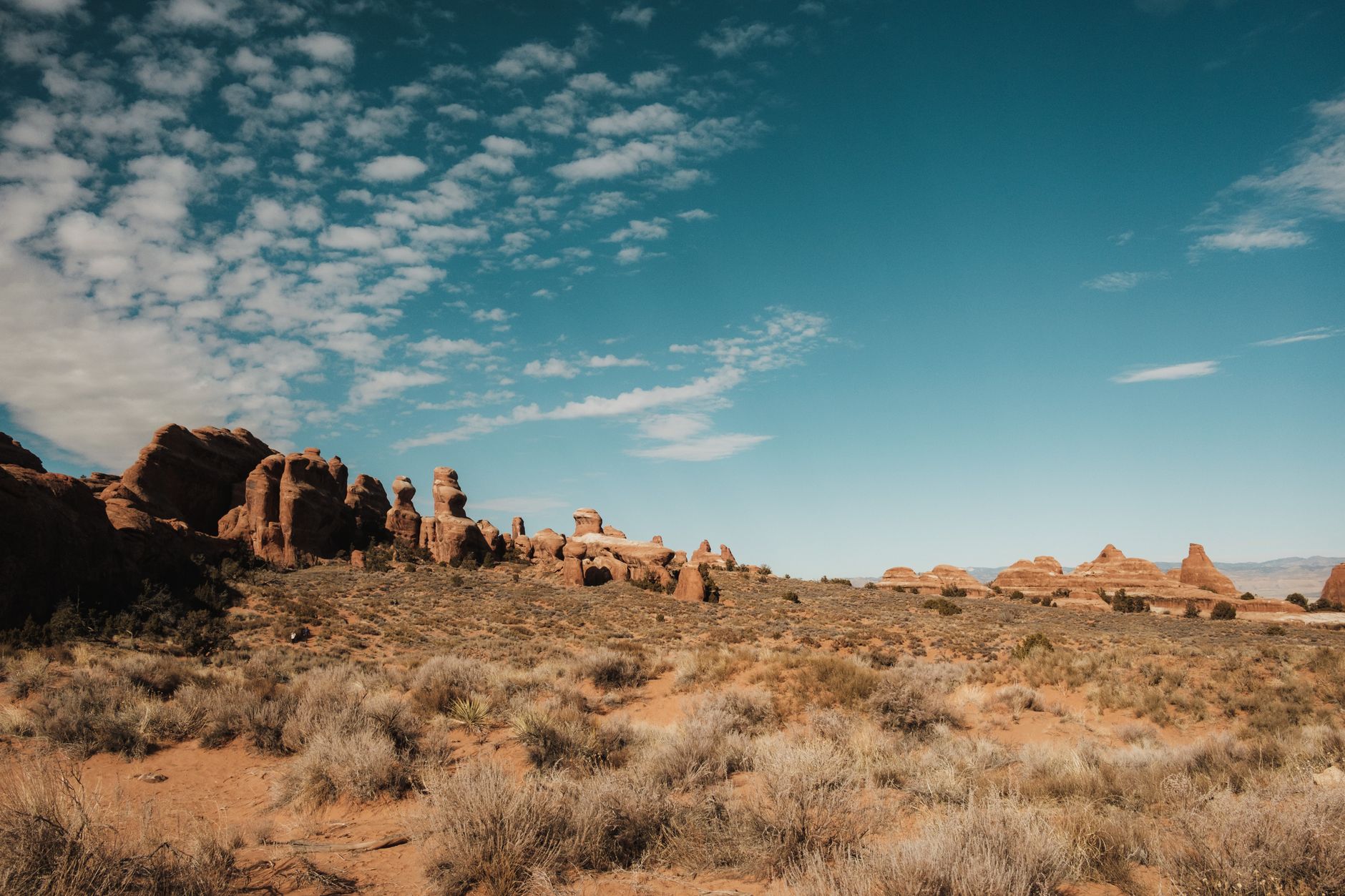
The United States is home to an extraordinary array of natural wonders, many of which are preserved in stunning national parks. These parks showcase diverse landscapes, ranging from majestic mountains and sweeping grasslands to lush forests and serene coastlines. Whether you are a hiking enthusiast, a family traveling with kids, or just looking to escape into nature, national parks offer something for everyone.
As of 2023, there are 63 official national parks in the United States, each uniquely contributing to the natural heritage and cultural richness of the country. Let’s explore the significance of these parks, what makes them worth visiting, and how to best plan a trip to experience their beauty and wonder.
How Many US National Parks Are There?
There are currently 63 designated national parks in the United States, established to protect unique natural and cultural resources. These parks are located across the country, offering visitors an abundance of breathtaking landscapes, recreational opportunities, and wildlife encounters.
A Brief History of US National Parks
The concept of national parks originated in the United States, with Yellowstone being the first national park established in 1872. The National Park Service (NPS) was created in 1916 to manage these special places and preserve their natural beauty. Since then, many more parks have been established, and today they encompass diverse ecosystems and offer various recreational activities.
What Makes National Parks Worth Visiting?
Visiting national parks provides unique opportunities for adventure, education, and relaxation. Here are some compelling reasons why you should consider visiting:
- Diverse Experiences: From hiking and rock climbing to kayaking and wildlife watching, national parks offer a variety of outdoor activities.
- Natural Beauty: National parks showcase some of the most stunning landscapes in the nation, from towering mountains to peaceful lakes.
- Wildlife Encounters: These parks are home to countless species of animals, giving visitors the chance to observe them in their natural habitat.
- Cultural Heritage: Many parks protect sites of historical significance, as well as the heritage of Indigenous peoples.
- Environmental Preservation: Visiting national parks helps support conservation efforts and promote awareness about nature and environmental protection.
Types of National Parks
The 63 national parks in the U.S. can be categorized based on their unique features and landscapes. Here are a few examples:
- Mountain Parks: Parks like Rocky Mountain National Park and Grand Teton National Park showcase stunning mountain ranges, offering outdoor activities like hiking, skiing, and rock climbing.
- Desert Parks: Parks such as Joshua Tree National Park and Arches National Park feature arid landscapes with unique rock formations and desert flora and fauna.
- Coastal Parks: Acadia National Park and Olympic National Park preserve beautiful coastlines, providing opportunities for beach activities and tide-pooling.
- Forest Parks: Parks like Redwood National and State Parks emphasize the beauty of ancient forests and towering trees.
Best National Parks to Visit
Each national park offers something unique, but some parks are particularly popular destinations. Here are a few that stand out:
- Yellowstone National Park: Home to geysers, hot springs, and diverse wildlife, Yellowstone is a must-see for nature lovers.
- Yosemite National Park: Known for its iconic granite cliffs and stunning waterfalls, Yosemite attracts adventurers year-round.
- Grand Canyon National Park: This park features incredible vistas and hiking trails, perfect for those looking to explore one of the world’s greatest natural wonders.
- Great Smoky Mountains National Park: Known for its biodiversity and mist-covered mountains, this park is a favorite for families and outdoor enthusiasts alike.
- Zion National Park: Famous for its stunning rock formations and canyoneering opportunities, Zion is a top destination for adventure seekers.
Planning Your Visit to National Parks
Before you head out to experience any of the national parks, it’s important to plan your visit effectively. Here are some practical tips:
Best Times to Visit
The best time to visit national parks generally varies by location:
- Spring (March to May): Wonderful time for blooming wildflowers, but some areas may still have snow.
- Summer (June to August): Peak season, with warm weather and long days; however, parks can be crowded.
- Fall (September to November): Ideal for stunning fall foliage, cooler temperatures, and fewer crowds.
- Winter (December to February): Great for snow sports in mountain parks; some roads may be closed due to snow.
Suggested Length of Stay
The ideal length of stay varies greatly depending on the size of the park and your interests:
- Smaller Parks: 1 to 2 days for a quick visit to key attractions.
- Medium-Sized Parks: 2 to 4 days for a more extensive experience, allowing for exploration and activities.
- Large Parks: 5 days or more to fully appreciate the diverse landscapes and engage in multiple activities.
Getting to National Parks
Most national parks are accessible by car, with highways leading directly to park entrances. Here are a few transportation options:
- By Car: Renting a car is the most flexible way to explore national parks, allowing you to take detours and enjoy scenic drives.
- By Public Transport: A few parks have limited public transportation options; check local transit services before your visit.
- By Tour Bus: Several companies offer guided tours to major national parks.
Where to Stay
Accommodations vary widely within and around national parks. Here are your choices:
- Camping: Many parks offer campgrounds, where you can experience nature firsthand. Reservations are often required.
- Lodges: Some parks have on-site lodges, varying in luxury levels, allowing for an immersive experience.
- Hotels and Motels: Communities near park entrances typically have a range of hotels and motels.
Budget Considerations
Traveling to national parks requires careful budgeting. Here are some financial tips:
- Entry fees vary by park, ranging from $10 to $35 per vehicle. Consider purchasing an America the Beautiful pass if you plan to visit multiple parks.
- Plan your meals in advance. Campers can save money by preparing their own food, while those staying in hotels may prefer dining out.
- Factor in gas costs, especially if you’re traveling long distances or exploring remote areas of the park.
Accessibility and Safety in National Parks
National parks strive to be accessible for all visitors. Here are some considerations:
- Accessibility: Many parks have paved trails and facilities designed for visitors with mobility challenges. Always check the park’s accessibility page before your visit.
- Safety: Follow park regulations and guidelines to ensure a safe visit. Be aware of wildlife, stay on designated trails, and ensure you are prepared for weather changes.
Popular Activities to Enjoy in National Parks
While each park has its unique offerings, here are common activities to consider during your visit:
- Hiking: Explore miles of trails, ranging from easy walks to challenging hikes.
- Wildlife Watching: Bring binoculars to observe animals like elk, bison, and bears in their natural habitats.
- Photography: Capture stunning landscapes and wildlife; ensure to check for the best time of day for lighting.
- Camping: Spend nights under the stars, immersing yourself in nature’s beauty.
- Ranger Programs: Participate in guided walks, talks, and educational programs led by park rangers.
Conclusion
The United States is home to an impressive 63 national parks, each offering unique experiences and breathtaking scenery. When planning your visit, consider the best times to go, activities available, and practical tips for a successful trip. National parks not only preserve the beauty of nature but also provide ample opportunities for adventure and relaxation.
As you plan your trip, explore related destination guides and travel-planning articles. For more information, check out How Many National Parks in the US.