
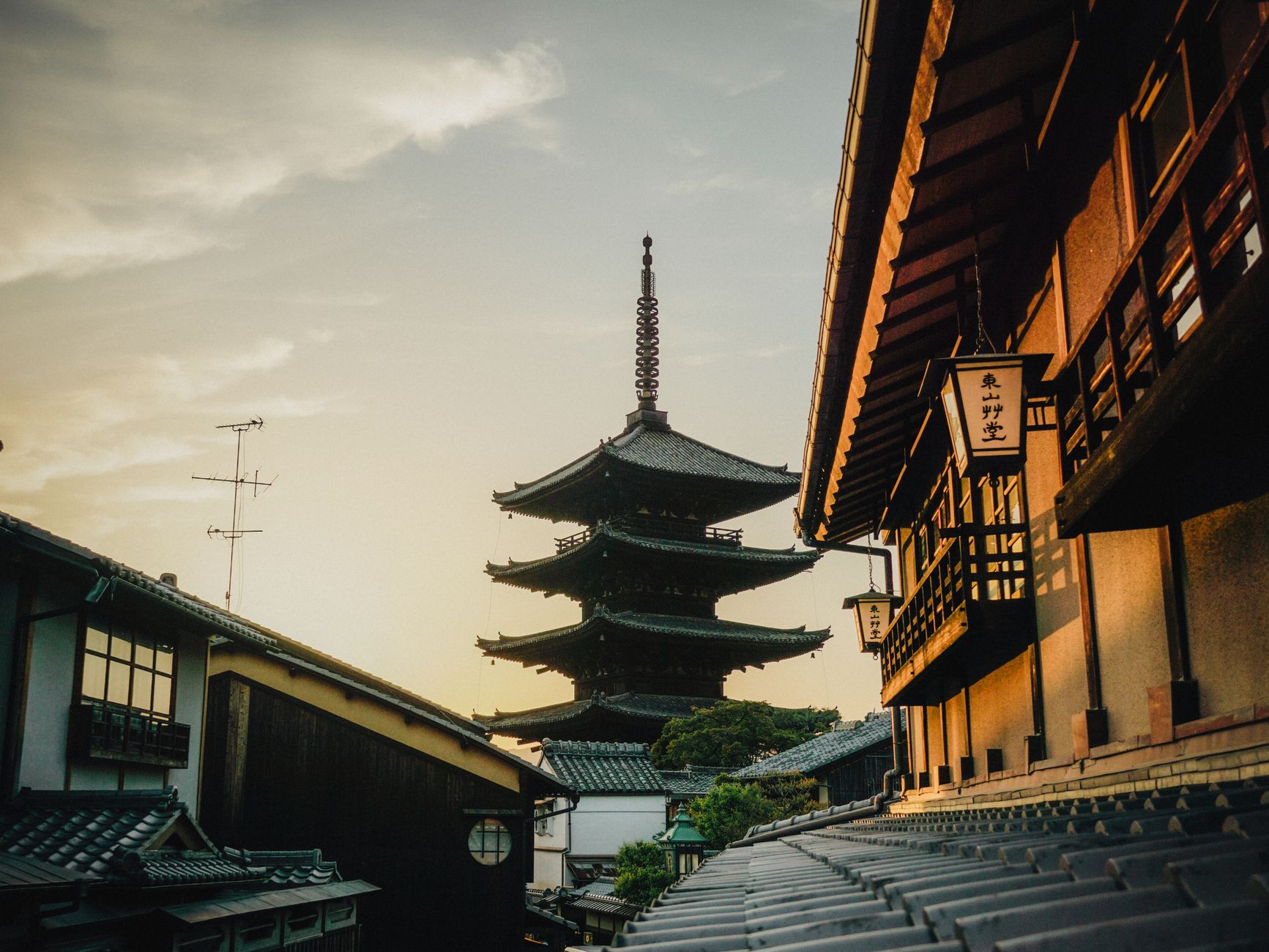
Japan is a captivating destination known for its rich history, vibrant culture, and cutting-edge technology. Whether you’re exploring bustling Tokyo, serene Kyoto, or the beautiful landscapes of Hokkaido, planning a trip to Japan can be daunting, especially when considering costs.
This guide will break down the expenses associated with traveling to Japan, including flights, accommodations, transportation, meals, and activities. With practical tips and helpful insights, you’ll be better prepared to budget for your adventure in this fascinating country.
How Much Does It Cost To Go To Japan?
The cost of a trip to Japan can range from modest to extravagant, depending on various factors such as travel style, duration of stay, and activities planned. On average, travelers can expect to spend around $1,500 to $3,000 per person for a week-long trip, including flights, accommodation, food, and attractions.
Flight Costs to Japan
One of the first costs you’ll need to consider is airfare. Ticket prices can vary greatly based on your departure location, the time of year, and when you book your flight.
- Economy Class Fares: Round-trip tickets to Japan from the United States typically range from $600 to $1,500, with costs decreasing during the off-peak seasons.
- Booking: It’s advisable to book flights at least 2-3 months in advance to find better deals.
- Best Times to Fly: September to November and January to March can offer lower fares due to reduced tourist traffic.
Accommodation Costs in Japan
Japan offers a wide variety of accommodations to suit all budgets. Here’s a breakdown of options you may encounter during your travels:
- Hotels: Conventional hotels in Japan can range from $70 to $300 per night depending on the city and amenities.
- Hostels: If you’re looking to save, hostels provide affordable beds, typically costing between $20 to $50 per night.
- Traditional Inns (Ryokan): Staying at a ryokan can enhance your experience but may cost between $100 to $500 per night.
- Airbnb and Vacation Rentals: Renting an apartment or home can cost between $50 to $150 per night, accommodating groups or families more efficiently.
Transportation Costs in Japan
Transport is a crucial aspect of traveling in Japan, and knowing the costs can help you plan effectively. Here’s an overview:
- Japan Rail Pass: A popular choice for tourists is the Japan Rail Pass, which allows unlimited travel on most trains for a fixed price. A 7-day pass costs approximately $250. This is ideal for extensive travel across the country.
- Local Transport: Within cities, subway and bus fares range from $2 to $5 per trip. Consider prepaid cards like Suica or Pasmo for convenience.
- Taxis: Taxis can be expensive, with base fares starting around $4, and prices increasing from there. If you’re traveling short distances, public transport is the likely more economical option.
Food Costs in Japan
Japanese cuisine is diverse and delicious, offering options for all budgets. Here’s what you can expect:
- Street Food: You can find a variety of tasty street foods, such as takoyaki and yakitori, for under $10.
- Casual Dining: Lunch at a casual restaurant typically costs between $10 to $20, while dinner can range from $20 to $50.
- Fine Dining: For an upscale dining experience, expect to pay $50 or more per person.
- Grocery Stores: If you want to save money, buying snacks or meals from convenience stores offers great value. A meal can be as low as $5.
Attraction Costs in Japan
Visiting Japan’s attractions can vary in cost. Some highlights include:
- Temples and Shrines: Entry fees often range from free to $5.
- Museums: Most museums charge around $5 to $15 for entry.
- Theme Parks: World-renowned parks like Tokyo Disneyland and Universal Studios Japan cost around $70-$90 for a day ticket.
Suggested Budgeting Strategies
When planning your trip to Japan, consider the following budgeting strategies:
- Daily Budget: Depending on your travel style, set a daily budget of about $100 to $250, which covers transport, meals, and activities.
- Prioritize Experiences: Decide which attractions and experiences are most important to you and allocate your budget accordingly.
- Use Cash: Many places in Japan prefer cash payments, so it’s wise to have yen on hand.
- Travel Insurance: Don’t forget about travel insurance—a necessary expense that can save you money in case of unexpected events.
When to Visit Japan
The time of year you visit Japan can significantly affect your overall costs. Here’s a seasonal breakdown:
- Spring (March to May): Famous for cherry blossoms, expect higher prices and crowds. This season is ideal for nature lovers and photographers.
- Summer (June to August): A popular time with festivals, though prices may peak during public holidays. It’s hot and humid, which might not appeal to everyone.
- Autumn (September to November): Beautiful foliage attracts visitors but is typically less crowded than spring.
- Winter (December to February): Offers skiing and winter festivals. Tourist numbers drop, making it easier on the wallet.
Length of Stay
A week-long trip is practical for first-time visitors, allowing time to explore major cities and understand Japan’s unique culture. Here’s a suggested itinerary:
- Day 1: Arrive in Tokyo, visit Shibuya and Shinjuku.
- Day 2: Explore Tokyo (Senso-ji Temple, Ueno Park).
- Day 3: Day trip to Nikko or Mount Fuji.
- Day 4: Travel to Kyoto via Shinkansen, explore Gion.
- Day 5: Visit Kinkaku-ji and Arashiyama Bamboo Grove.
- Day 6: Explore Osaka, sample street food in Dotonbori.
- Day 7: Return to Tokyo, shopping, and depart.
Family Travel Considerations
Traveling with family can incur additional costs. Here are a few practical tips:
- Accommodation: Look for family rooms in hotels or apartments, which can offer savings compared to booking separate rooms.
- Attractions: Many attractions in Japan offer discounts for children or family packages.
- Transportation: Child-friendly transport options like the Japan Rail Pass can save money for families traveling together.
- Meals: Many restaurants provide children’s menus or sharing options to reduce dining expenses.
Solo Travel Considerations
Japan is safe and well-suited for solo travelers. Consider these points:
- Accommodation: Hostels and capsule hotels offer budget-friendly and sociable options.
- Activities: Join local tours or workshops to meet others and enhance your experience.
- Safety: Japan is one of the safest countries for solo travelers, but remain alert, particularly in busy areas.
Common Mistakes to Avoid
While planning your trip, be aware of these pitfalls:
- Neglecting to Reserve: Popular attractions can sell out. Book tickets in advance when possible.
- Overpacking Your Itinerary: Allow time for relaxation and unexpected discoveries by not overloading your schedule.
- Ignoring Local Customs: Familiarize yourself with Japanese etiquette, such as tipping, which is generally not practiced.
Final Thoughts on Costs Incurred for Going to Japan
Traveling to Japan can be affordable or luxurious, depending on your preferences. By understanding various costs and planning ahead, you can ensure a delightful trip. Whether it’s your first visit or a return to experience new locales, a well-planned budget will make your journey smoother.
Consider checking for flight options and begin mapping out your adventure through the wonders of Japan. Interested in more travel tips? Explore related guides about flight durations to Japan and discover the best times to see cherry blossoms.