
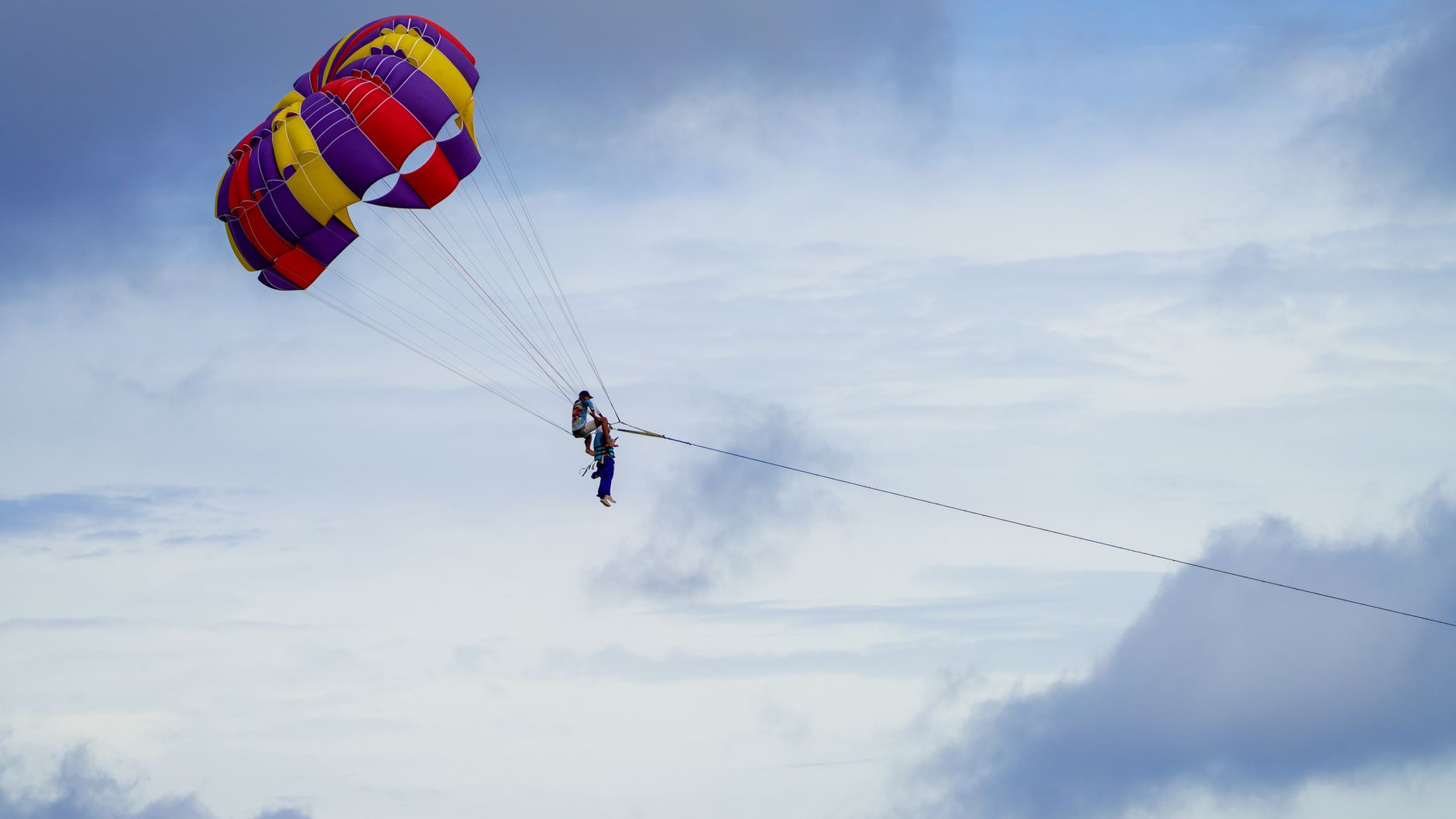
Skydiving offers a thrilling experience that attracts adventure seekers worldwide, but it comes with a price tag. If you’re considering taking the plunge, it’s essential to understand the various factors that influence skydiving costs. This guide will help you break down expenses, compare options, and plan your adventure accordingly.
When it comes to budgeting for skydiving, costs can vary widely depending on factors like location, type of jump, and the experience of the facility. It’s best to have a clear understanding of what you’re getting into before you book your jump.
How Much Does Skydiving Cost?
The cost of skydiving can range from around $100 to over $500, depending on several factors such as the type of jump, the region, and included services. Typically, tandem jumps are the most popular and cost between $200 and $300, while solo jumps or advanced experiences can increase the price significantly.
Factors Affecting Skydiving Costs
Several elements influence the overall price of a skydiving experience. Understanding these can help you make informed choices and potentially save money.
1. Type of Jump
The type of skydiving jump you choose significantly affects the cost.
- Tandem Jump: This is the most common choice for beginners. You are harnessed to an experienced instructor, and prices usually range from $200 to $300.
- Accelerated Freefall (AFF): This option is aimed at those who want to learn to skydive independently. Costs typically range from $1,500 to $3,000, which includes multiple jumps and instruction.
- Static Line Jump: This is a type of jump where the parachute opens automatically after you exit the plane. Prices usually range from $200 to $400.
- Group Discounts: Some facilities offer reduced rates for larger groups, which can lower the cost per person.
2. Location
The location of your skydiving facility can dramatically affect the price. Urban areas or popular tourist destinations typically charge more than rural locations. Additionally, locations with a higher cost of living may result in elevated prices. Here are a few price ranges based on common locations:
- California: $250 – $500 for tandem jumps
- Florida: $200 – $300 for tandem jumps
- Midwest (e.g., Chicago): $200 – $350 for tandem jumps
- Texas: $200 – $400 for tandem jumps
3. Experience and Reputation of the Skydiving Center
The reputation and safety record of the skydiving center can influence costs. More experienced operators may charge higher prices due to their quality of service and safety standards. Investing in a reputable facility can be crucial for safety, making this an essential factor in your pricing considerations.
4. Included Extras
Many skydiving facilities offer added services that can affect the total price. Consider the following:
- Video and Photography: If you wish to capture your experience, added costs can range from $100 to $200 for video footage or high-quality photographs.
- Gear Rental: If you’re taking a course or jumping solo, costs related to rental gear may apply.
- Transportation: Some facilities offer shuttle services, which could have associated fees.
5. Seasonal Variation
Skydiving costs can fluctuate based on the time of year. Higher demand during summer and holiday seasons can increase prices. If you prefer to save money, consider planning your jump in the off-peak season.
Comparing Costs Across Types of Skydiving Experiences
When deciding the best approach for your skydiving experience, it’s important to compare costs across different types. Here’s a breakdown of typical price ranges for various experiences:
| Type of Jump | Typical Cost |
|---|---|
| Tandem Jump | $200 – $300 |
| Accelerated Freefall (AFF) | $1,500 – $3,000 |
| Static Line Jump | $200 – $400 |
| Group Discounts | Varies |
What’s Included in the Price?
Understanding what’s included in the cost of your jump is critical to avoid unexpected expenses. Most skydiving packages provide the following:
- Pre-jump briefing
- Safety gear, including jumpsuits, helmets, and goggles
- Experienced instructors for tandem jumps
However, remember to check for additional fees like video services and insurance. Always read the fine print to avoid any surprises.
Booking Your Skydiving Experience
Once you have a general understanding of the costs, it’s time to think about booking your skydiving experience. Here are some practical tips.
1. Research Different Facilities
Spend some time researching various skydiving facilities. Look for reviews, safety ratings, and costs. A facility’s reputation can offer insight into the quality of service you can expect.
2. Book in Advance
Booking in advance can often save you money as many places offer early bird discounts. Additionally, secure your spot on days with favorable weather conditions.
3. Inquire About Packages
Some skydiving centers offer packages that include jumps, training, and gear rental at a reduced rate. This can lead to significant savings, especially for those planning multiple jumps.
4. Look Out for Promotions
Keep an eye out for seasonal promotions, discounts, or referral incentives. Some facilities may offer special packages for first-time jumpers, military personnel, or students.
Planning for Your Skydiving Adventure
While budgeting for the cost of skydiving is essential, proper planning extends beyond finances. Consider the following logistical details to ensure a smooth experience.
1. Weather Conditions
Weather plays a critical role in skydiving. Wind, rain, and poor visibility can lead to cancellations. Always check the forecast for your jump day and maintain flexibility in your plans.
2. Physical Health
Most skydiving facilities require participants to meet certain health criteria. Expect to fill out a waiver, and make sure you are in good physical condition. If you have any medical concerns, consult with a healthcare provider before booking your jump.
3. Dress Appropriately
Wear comfortable, weather-appropriate clothing. Avoid loose fitting or baggy clothing that could get caught in the strong winds. Closed-toe shoes are essential, and it’s best to leave jewelry behind.
4. Arrive Early
Arriving early allows time for check-in, waivers, and any pre-jump briefings. This is especially important when jumping at a busy facility.
Safety Considerations for Skydiving
While skydiving is known to be safe, it’s not without risks. Consider these safety aspects before making your jump.
1. Choose a Reputable Company
Your safety is closely tied to the skydiving facility you select. Ensure that the operator is certified and has good reviews regarding their safety practices.
2. Understand the Training Provided
If you’re opting for an AFF course, ensure that it includes comprehensive training on parachute operation, emergency procedures, and landing techniques.
3. Prepare for the Unexpected
Every jump comes with uncertainties, even when precautions are in place. Be mentally prepared and trust the training you’ve received from your instructors.
Tips for an Enjoyable Skydiving Experience
To make the most of your skydiving experience, keep these tips in mind:
- Stay calm throughout the process; excitement is normal, but anxiety can hinder your experience.
- Focus on the instructor’s briefing; it provides crucial information for a safe jump.
- Take in the view. The aerial view is part of the thrill, so remember to enjoy it!
Conclusion
Skydiving is an exhilarating adventure, but understanding the costs and planning accordingly is essential. By considering the various factors that affect prices, including location, type of jump, and additional services, you can choose the best option for your budget and experience level.
To save money, it’s advisable to research facilities, book in advance, and keep an eye out for promotions. Always prioritize safety and ensure you are physically prepared for the experience. Armed with this information, you’re ready to take the leap into a thrilling new adventure!
Explore related destination guides and travel-planning articles such as how much a cruise ship costs or the price of private jets to further fuel your travel enthusiasm.