
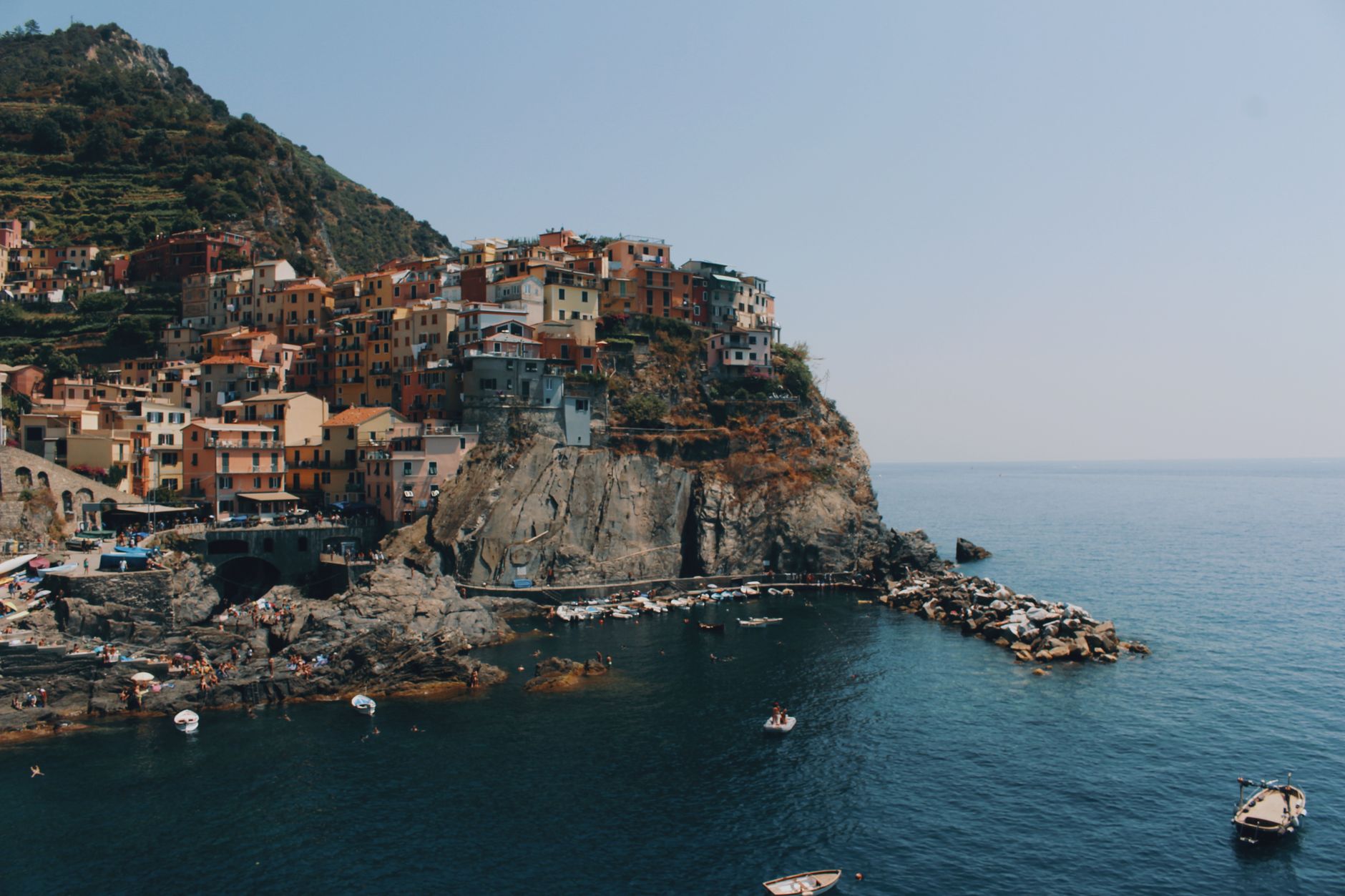
Italy is a country renowned for its rich history, stunning architecture, delicious cuisine, and vibrant culture. Planning a trip to Italy involves understanding the potential costs to budget effectively. Whether you’re a luxurious traveler or on a tight budget, knowing the expenses associated with a trip to Italy will help you craft the perfect itinerary.
This guide will explore the various aspects of costs when traveling to Italy, from airfare and accommodations to meals and activities. We’ll break down each category to give you a better idea of how much to expect depending on your travel style and preferences.
How Much Is a Trip to Italy?
The costs associated with a trip to Italy can vary significantly based on your travel choices. On average, travelers can expect to spend anywhere from $1,200 to $3,500 per week. This includes airfare, accommodations, food, transportation, and attractions. Ultimately, how much you’ll spend depends on your travel habits, destinations within Italy, and the duration of your stay.
Airfare: Getting to Italy
The first major expense on your trip will be airfare. Prices can vary based on your departure location, the time of year, and how far in advance you book your tickets.
- From North America: Round-trip airfare can range from $500 to $1,200 depending on the season. Budget airlines might offer cheaper options, but flights typically cost more if booked last minute.
- From Europe: For those already in Europe, you can find more affordable options, with flights between cities such as Paris or London ranging from $50 to $200 round-trip.
- Time of Year: Prices soar during the summer tourist season (June to August) and around holidays. Consider traveling in the shoulder seasons of spring (April to June) or fall (September to October) for better rates.
Accommodation: Where to Stay
Italy offers a wide range of accommodation options that cater to all budgets, from hostels to luxury hotels. Here’s an overview of typical prices:
- Hostels: Prices range from $20 to $50 per night in dormitory-style rooms. Private rooms may cost between $60 and $100.
- Budget Hotels: Expect to pay between $70 and $150 per night for a basic hotel room.
- Mid-Range Hotels: Rates typically start around $150 and can go up to $250 per night for more comfortable accommodations.
- Luxury Hotels: Luxury options range from $250 to over $1,000 per night, particularly in prime locations like Venice and Florence.
Consider booking accommodations in advance for better deals and more options. Platforms like Booking.com, Airbnb, and Hostelworld can help you find the best rates, but always check for cancellation policies.
Food and Dining: Eating in Italy
One of the highlights of visiting Italy is undoubtedly its food. Dining out can be economical as well as an experience to enjoy.
- Street Food: Prices can start as low as $3 to $8 for a satisfying meal like pizza, panini, or gelato.
- Bistros and Cafés: Expect to spend $15 to $25 per person for a meal with a drink (including pizza or pasta).
- Restaurants: Dining at mid-range restaurants can cost $30 to $60 per person, especially if you include multiple courses and drinks.
- Fine Dining: High-end restaurants may range from $70 to $200 per person, particularly in major cities.
To save money, consider having lunch as your main meal of the day. Many restaurants offer a “pranzo” menu that’s cheaper than dinner menus.
Transportation: Getting Around Italy
Italy has a well-connected transportation system, making it easy to navigate between cities and within towns. Depending on your itinerary, here’s what you might expect to spend:
- Trains: High-speed trains can range from $30 to $150 per trip, depending on the distance and booking period. Regional trains are cheaper, often costing $10 to $30.
- Buses: Bus services like FlixBus offer budget-friendly options within and between cities, often ranging from $5 to $50.
- Metro and Public Transport: Cities like Rome and Milan have metro systems where tickets cost around $1 to $2 per trip. A day pass typically ranges from $7 to $10.
- Car Rental: Renting a car can cost around $30 to $60 per day, excluding fuel and insurance. Be aware that urban centers often have limited access for vehicles.
Attractions: Cost of Sightseeing
Italy is home to world-class museums, ancient ruins, and breathtaking landscapes, each with its own entrance fees. Here’s a breakdown:
- Popular Attractions: Entrance fees for major sites like the Colosseum or the Uffizi Gallery can range from $10 to $30. Reservations may be necessary during peak seasons.
- Guided Tours: Opting for guided tours typically costs $50 to $200 depending on the length and exclusivity of the experience.
- Cultural Experiences: Cooking classes or wine tours can range from $50 to $150 per person, providing a unique way to immerse in local culture.
- City Passes: Consider purchasing city passes, which might cover multiple attractions and public transport for around $50 to $150.
Overall Budget: Sample Costs
Here’s a sample estimated budget based on a one-week trip for different traveler styles:
| Expense Category | Budget Traveler | Mid-Range Traveler | Luxe Traveler |
|---|---|---|---|
| Airfare | $600 | $800 | $1,200 |
| Accommodation | $350 | $1,200 | $2,000 |
| Food | $200 | $500 | $800 |
| Transportation | $100 | $250 | $600 |
| Attractions | $150 | $300 | $700 |
| Total | $1,450 | $3,550 | $5,900 |
Travel Tips for Saving Money
Here are some practical tips to help you save money on your trip to Italy:
- Travel Off-Season: Visiting during the shoulder season can help you avoid peak rates and crowded attractions.
- Use Public Transport: Opt for trains and public transportation over taxis or car rentals to save money.
- Take Advantage of Free Attractions: Explore churches, parks, and local neighborhoods that often have no admission fees.
- Buy in Bulk: Consider purchasing attraction tickets in advance or multi-day passes for savings.
- Eat Like a Local: Enjoy meals at local trattorias or street vendors for authentic and affordable dining experiences.
When to Visit Italy: Seasonal Considerations
The best time to visit Italy depends on your preferences regarding weather, crowds, and costs. Here’s a seasonal breakdown:
- Spring (April to June): Pleasant weather, blooming landscapes, and fewer crowds.
- Summer (June to August): High temperatures and heavy tourist traffic. Expect higher prices.
- Fall (September to October): Mild weather, grape harvesting season, and ideal for food lovers.
- Winter (November to March): Off-peak season with great deals but cold weather. Skiing is popular in northern regions.
Must-See Cities and Regions
Here are some popular destinations in Italy, along with unique experiences found in each:
- Rome: The Colosseum, Vatican City, and timeless piazzas such as Piazza Navona offer a blend of history and culture.
- Florence: Renowned for its art, the Uffizi Gallery and Florence Cathedral are must-see highlights.
- Venice: Stroll through canals and enjoy the unique charm of St. Mark’s Square and gondola rides.
- Amalfi Coast: Known for stunning views, beautiful beaches, and picturesque towns like Positano and Ravello.
- Tuscany: Famous for its scenic landscapes, wine tours, and the historic city of Siena.
Packing List Basics for Italy
When preparing for your Italy trip, consider the following packing essentials:
- Comfortable walking shoes
- Lightweight clothing for warm weather, with layers for cooler evenings
- A power adapter and portable charger
- A small backpack for day trips
- A reusable water bottle to stay hydrated
Final Thoughts
Understanding the costs and planning effectively will help ensure your trip to Italy is memorable and enjoyable. Whether you’re exploring ancient ruins, indulging in delicious meals, or taking in breathtaking landscapes, Italy has something for everyone. Take the time to research and align your travel style with your budget to create a fulfilling experience.
Ready to plan your Italian adventure? Explore more travel resources, such as how much does it cost to rent a boat in Italy or whether Italy uses the euro, to prepare for your journey.