
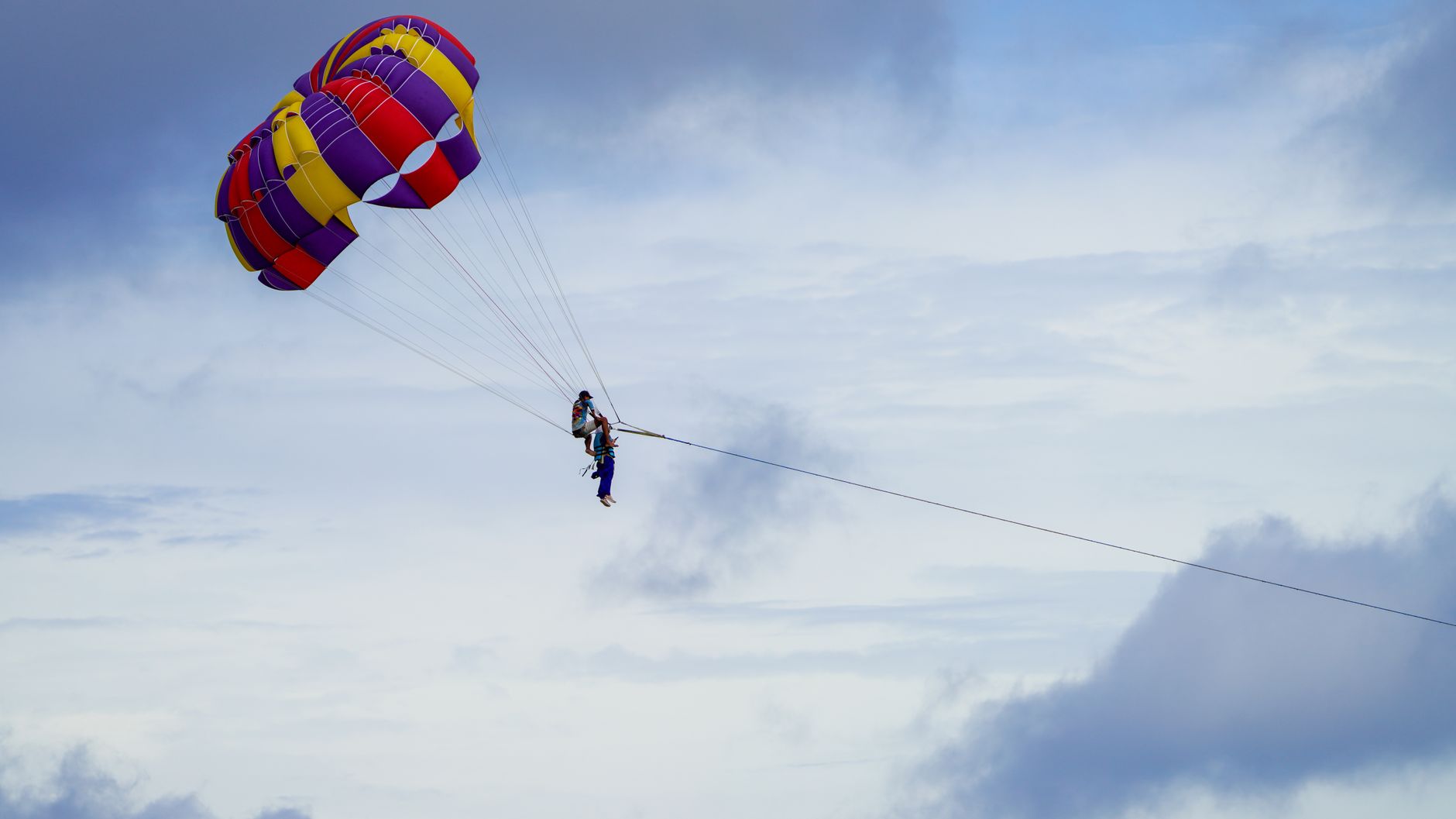
Skydiving is an exhilarating adventure that attracts thrill-seekers from around the globe. However, before you jump out of a perfectly good airplane, it’s essential to understand how much skydiving will cost. Pricing can vary significantly based on multiple factors, including location, type of dive, experience level, and more.
This guide provides a comprehensive breakdown of the costs involved in skydiving, what you can expect from each price point, and tips on how to find the best deals. Whether you’re a first-timer or looking to make skydiving a more regular adventure, the details here will help you plan your experience.
How Much Is Skydiving?
The average price for a tandem skydive ranges from $200 to $300. This price typically includes the jump, equipment rental, and instruction. However, various factors can affect the overall cost, such as video and photo services, special offers, and geographic location.
Factors Influencing the Cost of Skydiving
Several factors can influence how much skydiving will cost you. Understanding these factors can help you budget accordingly and make informed decisions.
Location
The location of your jump is one of the most significant influences on your skydiving cost. Urban areas and popular tourist destinations often have higher prices due to demand. For instance, a skydive over beautiful landscapes or iconic landmarks—like the Grand Canyon—can cost more than jumps at more remote sites.
Type of Jump
There are different types of skydives, which can also affect the pricing:
- Tandem Jumps: The most common for beginners. You are attached to an experienced instructor and it costs between $200 and $300.
- Static Line Jumps: Suitable for those who receive training and jump solo with a line that automatically opens the parachute. Costs range from $150 to $250.
- Accelerated Freefall (AFF): A more advanced course that allows you to jump solo after training; often starts around $1,200 for the course.
Equipment and Services
Skydiving includes more than just the jump. Other costs can include:
- Equipment Rental: Typically included in the jump price, but if you are taking a course or prefer personal gear, rental can be extra.
- Photo and Video Services: Many skydiving companies offer packages to capture your experience, generally costing between $100 and $200 extra.
- Transportation: Costs could increase if the jump site is far from your accommodation or other travel logistics.
Experience Level
Your level of experience matters. Beginners often pay more for tandem jumps, while experienced divers may find special rates for solo jumps or training courses. Additionally, first-time jumpers might be tempted to book extra services such as training materials or soft drinks post-jump.
Time of Year
Prices for skydiving can fluctuate based on seasons. Typically, summer months are busier for skydiving companies, resulting in higher prices. During fall or winter, you may find discounts or promotional rates, particularly in areas where jumps are still operational.
Budgeting for Your Skydiving Adventure
When planning your skydiving experience, it’s crucial to create a budget that includes all potential costs. Here’s a breakdown to help you plan:
Basic Jump Costs
As stated earlier, a tandem jump generally costs between $200 and $300. Here’s how you might break it all down:
- Tandem Jump: $200 to $300
- Photo/Video Package: $100 to $200
- Transportation (if needed): variable
- Tips (for instructor): $20 to $30
Additional Services and Upgrades
Consider potential additional costs:
- Static Line Jump Course: $150 to $250
- Accelerated Freefall Course: Starting at $1,200
- Merchandise (such as T-shirts or souvenirs): $20 to $50
Finding Affordable Skydiving Options
If the costs mentioned seem steep, consider the following strategies to find more affordable skydiving options:
Research Local Drop Zones
Look for local skydiving centers or “drop zones.” Some may offer competitive pricing compared to larger, well-known companies. Be sure to check reviews and safety records.
Take Advantage of Promotions and Discounts
Check websites and local bulletin boards for special deals or promotions, especially during off-peak seasons. Some companies may offer packages that bundle jumps with media services at a discount.
Group Discounts
If you are traveling with friends or family, inquire about group discounts. Many skydiving centers provide reduced rates when multiple jumpers book together.
Join a Skydiving Club
Joining a club or becoming a member of a skydiving organization can yield benefits like discounts on jumps and access to exclusive equipment rentals.
What to Expect on Your Skydiving Day
Pre-Jump Orientation
Gear Fitting
After your orientation, you’ll fit into a jumpsuit and harness. Your instructor will make sure you are secured and comfortable before boarding the plane.
The Plane Ride
The excitement will build gradually as you ascend. The flight usually takes about 15 to 20 minutes, giving you time to take in the views and calm your nerves.
The Jump
Once you reach the desired altitude—often around 10,000 to 15,000 feet—you’ll jump out. The freefall lasts approximately 30 to 60 seconds before the parachute deploys, bringing you back down gently.
Post Jump Experience
After landing, there will be an opportunity to decompress and review your experience. If you purchased a photo or video package, you should receive your footage shortly after landing.
Safety Considerations for Skydiving
While skydiving is an inherently adventurous activity, safety is a top concern:
Choosing a Reputable Provider
Always research the company you choose to skydive with. Look for reviews, testimonials, and safety records. The United States Parachute Association (USPA) provides a list of accredited centers.
Instructors’ Experience
Ensure your instructor is certified and has a considerable amount of experience. Verify their credentials with the skydiving company.
Health Considerations
Skydiving can be physically demanding. Consult with your doctor beforehand, especially if you have pre-existing health conditions like heart issues or severe anxiety.
Skydiving Equipment Overview
Understanding the equipment involved in skydiving can enhance your experience:
Parachutes
Modern parachutes come in various designs, but general setups consist of a main parachute and a reserve parachute for safety. The instructor conducts checks to ensure the equipment is in good condition.
Altimeters
Altimeters help track altitude, assisting jumpers in knowing when to deploy their parachute. Many skydivers use digital altimeters for precision.
Protective Gear
Jumpers usually wear padded jumpsuits, helmets, and goggles. All these items are typically provided as part of your jump package.
Skydiving FAQs
Below are some frequently asked questions to help address common concerns:
Is skydiving safe?
Skydiving is statistically safer than many other activities when conducted within established guidelines and under professional supervision.
Can children and seniors skydive?
Age restrictions vary by company, but many allow children above a certain weight—often around 100 pounds—with parental consent. Seniors may also jump, provided they do not have health issues that would prohibit the activity.
What should I wear to go skydiving?
Most companies recommend wearing comfortable clothing suited for outdoor activity. Closed-toe shoes are mandatory, while jump suits will typically be provided at the site.
When is the Best Time to Go Skydiving?
Skydiving can be done year-round, barring extreme weather conditions. Each season has its advantages:
Spring and Fall
The moderate temperatures and clearer skies often make spring and fall the best times for skydiving, though longer daylight hours during summer can also present fantastic opportunities.
Winter
If you are in warm climates or specific regions, winter can be a less crowded time with potential for snow-covered landscapes—quite a sight from up high!
Summer
Expect larger crowds in summer as more people take advantage of school breaks and vacations, often resulting in higher prices. However, it also provides beautiful weather in many regions.
Finding Accommodation and Transportation
If you’re traveling specifically to skydive, consider the following when planning your trip:
Accommodation Options
Look for accommodations close to your chosen drop zone. Popular choices include:
- Hotels: Many skydiving centers have partnerships with local hotels that offer discounts for jumpers.
- Hostels: A budget-friendly option that provides camaraderie with fellow travelers.
- AIRBNB: Couples or groups might find renting a whole property more economical.
Transportation Tips
If your drop zone is distant from urban areas or airports, consider renting a car. Public transportation may not be readily available; check the skydiving company for transportation options they may provide.
After the Jump Experiences
Many skydiving enthusiasts enjoy post-jump activities. Here are some worthy considerations:
Share Your Experience
Share your experience with others! Many skydiving centers encourage you to tag them on social media, showcasing your jump and encouraging others to try.
Explore the Area
Don’t forget to soak in the sights around your jump location. Many centers are near beautiful landscapes or attractions worth exploring.
Join a Skydiving Community
Joining a local skydiving community can enhance your experience and provide discounts for future jumps. Networking with other enthusiasts can also provide valuable insights.
Skydiving is a thrilling experience, but it’s crucial to understand the associated costs and how to prepare financially and logistically. The excitement of a tandem jump, the adrenaline of freefalling, and the serene landscape while parachuting down can make it worth every penny. Take the plunge and prepare for an unforgettable adventure!
For additional travel tips, explore our guides on how to budget for a trip to Bora Bora or planning your Disney cruise.