
Antarctica, with its remote and pristine landscapes, beckons adventurous travelers. Planning a trip here can seem overwhelming, but knowing how to get there simplifies the journey. This guide will walk you through travel options, best times to visit, costs, and more to help you reach this captivating continent.
From cruises to flights, several pathways lead to the Southernmost continent. Whether you’re seeking a once-in-a-lifetime expedition or simply curious about its icy wonders, this article outlines how to get to Antarctica effectively.
How To Get To Antarctica?
Getting to Antarctica typically involves flying to a gateway city before taking a cruise or charter flight to the continent itself. Major embarkation points include Ushuaia in Argentina and Punta Arenas in Chile. Most travelers opt for guided tours through reputable expedition companies, enhancing the experience with expert knowledge.
Understanding Gateway Cities
The journey to Antarctica begins in gateway cities, where you’re likely to find flights to departure points. The two most common gateways include:
- Ushuaia, Argentina: Known as the southernmost city in the world, Ushuaia serves as the primary launch point for most Antarctic cruises. Flights from Buenos Aires to Ushuaia are frequent, making it a convenient option.
- Punta Arenas, Chile: This is another popular departure point for travelers heading to Antarctica. While there are fewer direct flights to Punta Arenas, connections from major Chilean cities like Santiago are available.
Choosing a Travel Method
There are various ways to reach Antarctica, and the best method often depends on your budget, comfort level, and travel preferences. Here’s a breakdown of the main travel methods:
Cruise Ships
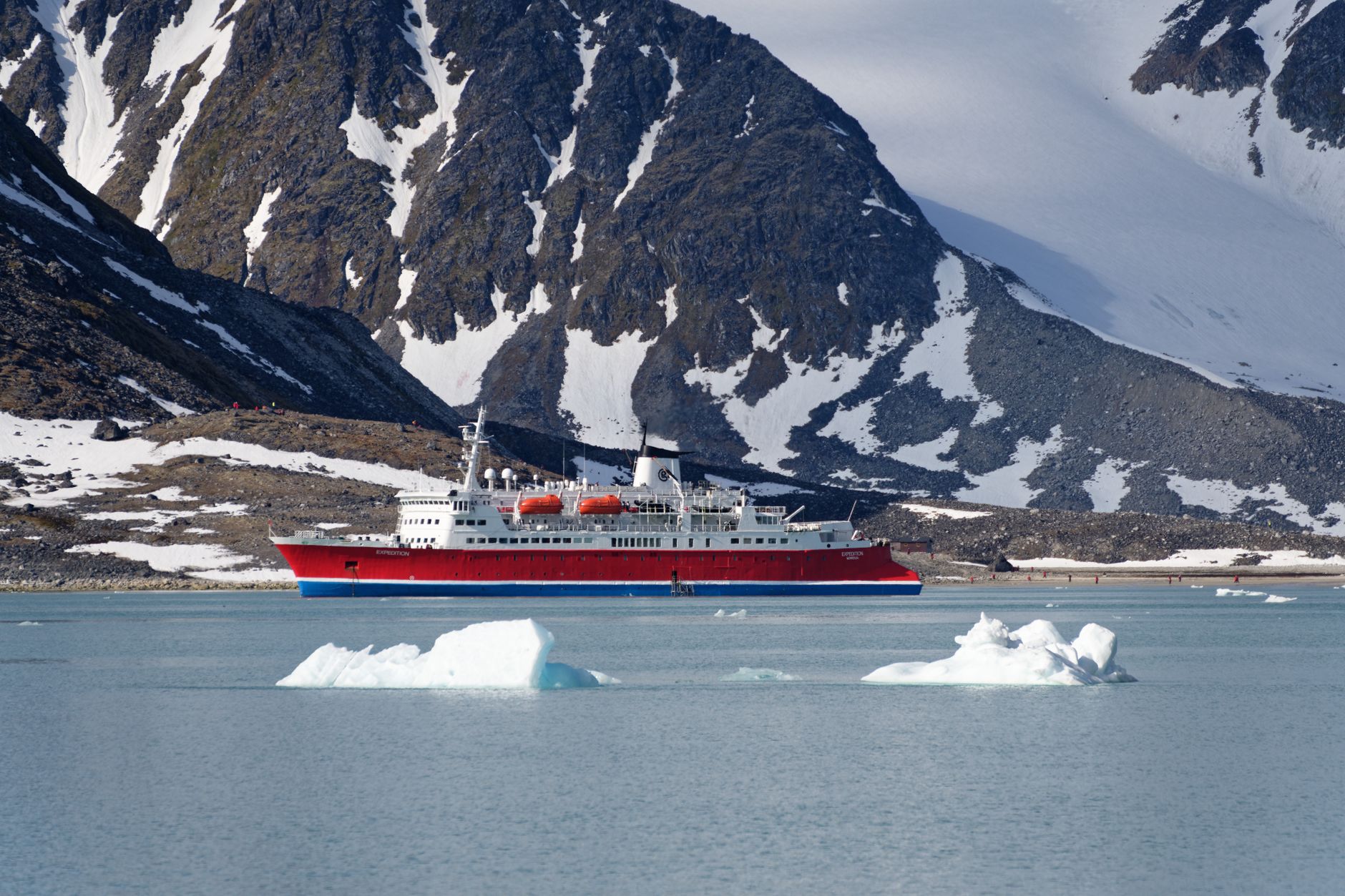
Most travelers choose to visit Antarctica via cruise ships. Here’s how it generally works:
- Types of Cruises: Expedition cruises are the most popular, offering guidance from naturalists and historians. Luxury cruises with upscale accommodations are also available for a more comfortable experience.
- Itineraries: Most cruises follow a similar route, making stops at the Antarctic Peninsula. Some may include visits to islands like South Georgia and the Falklands.
- Duration: Cruises typically last between 10 to 20 days, depending on the route and activities included.
Air Travel
For those looking for a quicker option, some companies offer charter flights directly to research bases or other locations in Antarctica.
- Flights to King George Island: Travelers can fly to this island, from which small boats take you to the mainland.
- Tour Operators: Look for reputable tour operators that have experience in air travel to Antarctica, as the logistics can be complex.
Planning Your Trip Timing
Timing is crucial for an Antarctic expedition. The best period to visit is during the austral summer, which typically runs from late October to early March.
- October to November: Early season is ideal for wildlife enthusiasts, especially for penguin mating rituals and nesting.
- December to January: This period offers the warmest temperatures, with long daylight hours perfect for sightseeing.
- February to March: As the melting season approaches, you can witness many young penguins and a variety of whale species.
Budgeting for Your Trip
Traveling to Antarctica is a significant investment. Being aware of what to expect in terms of costs can help you plan more effectively. Here’s a breakdown of potential expenses:
Travel Costs
Costs vary widely based on the type of experience:
- Cruise Prices: Basic expeditions start at around $5,000 per person, while luxury cruise packages can exceed $15,000.
- Flights: Round-trip flights from North America or Europe to Ushuaia or Punta Arenas can range from $800 to $1,500 or more, depending on the season.
- Additional Costs: Don’t forget to budget for travel insurance, equipment rentals, and possible excursions during your trip.
Travel Insurance
Insurance is a crucial aspect of planning your trip. Make sure to select a policy that covers cancellations, medical emergencies, and any specific activities you may undertake in Antarctica.
Accommodation Options
While most visitors stay on their cruises, here are some accommodation options for pre and post-cruise stays in Ushuaia and Punta Arenas:
Ushuaia
- Hotels: Options vary from budget hostels to upscale hotels. Popular choices include the Los Yámanas Hotel and Hotel Tierra del Fuego.
- Airbnbs: Alternative accommodations are also available, including cozy cabins or apartments with stunning views of the Beagle Channel.
Punta Arenas
- Hotels: Punta Arenas offers mid-range hotels and locally-owned inns, such as Hotel Cabo de Hornos and Hotel José Nogueira.
- Hostels: Budget travelers can access a range of hostels for affordable stays.
What to Pack for Antarctica
When preparing for an Antarctic adventure, packing correctly is essential, as weather can be unpredictable. Here’s a basic packing list:
- Waterproof Jacket: Insulated, breathable, and waterproof jackets are a necessity.
- Base Layers: Thermal underwear will help you stay warm in extreme conditions.
- Footwear: Waterproof boots designed for cold climates are essential for excursions.
- Hat and Gloves: Warm hats, gloves, and neck gaiters should be included to protect against cold winds.
- Sun Protection: Sunscreen and sunglasses are critical because of the sun’s reflection off the ice and snow.
Understanding Restrictions and Requirements
Traveling to Antarctica involves compliance with various requirements to protect the environment and heritage:
Visas and Entry Requirements
Most travelers do not require a visa to enter Antarctica since it is governed by international treaties. However, any flights to Argentina or Chile may involve standard visitor requirements, so confirm this based on your nationality.
Environmental Considerations
It’s essential to respect the continent’s fragile ecosystem. Tourists are expected to follow strict guidelines that ensure minimal human impact, such as:
- Never disturbing wildlife.
- Adhering to designated paths and areas.
- Taking all waste back with you.
Wildlife Experiences and Activities
Antarctica is a treasure trove of wildlife and breathtaking landscapes, making the activities available a major selling point for visitors. Here are some popular activities:
Wildlife Viewing
- Penguin Colonies: Observe various penguin species in their natural habitats.
- Whale Watching: Take advantage of opportunities to see humpback, minke, and orca whales.
Adventurous Activities
- Kayaking: Paddle through icy waters to experience the landscape up close.
- Camping: Some companies offer overnight camping experiences on the continent.
- Hiking: Explore the unique terrain with guided hikes.
Health and Safety Tips
When traveling to Antarctica, it’s crucial to maintain health and safety standards throughout your journey:
- Fitness Level: Ensure you are in good health and have the required endurance for activities.
- Vaccinations: Consult your healthcare provider regarding any vaccinations or medications you may need.
- Travel Advisory: Keep up to date with travel advisories and regional conditions.
Preparing for the Unexpected
Antarctica is an unpredictable environment. Plan for changes in schedule or activities, and maintain flexibility in your travel plans. Prepare properly, but carry a sense of adventure too!
To summarize, your journey to Antarctica will require careful planning, budgeting, and preparation. Choose an appropriate time to visit, select a gateway city, and decide on the travel method that suits your style. The rewards are immense—a journey to a breathtaking and otherworldly continent awaits those who dare to explore.
If you’re eager to learn more travel insights, explore related destination guides and travel-planning articles such as how to find inspiration for your trip or visit our homepage for additional resources.