
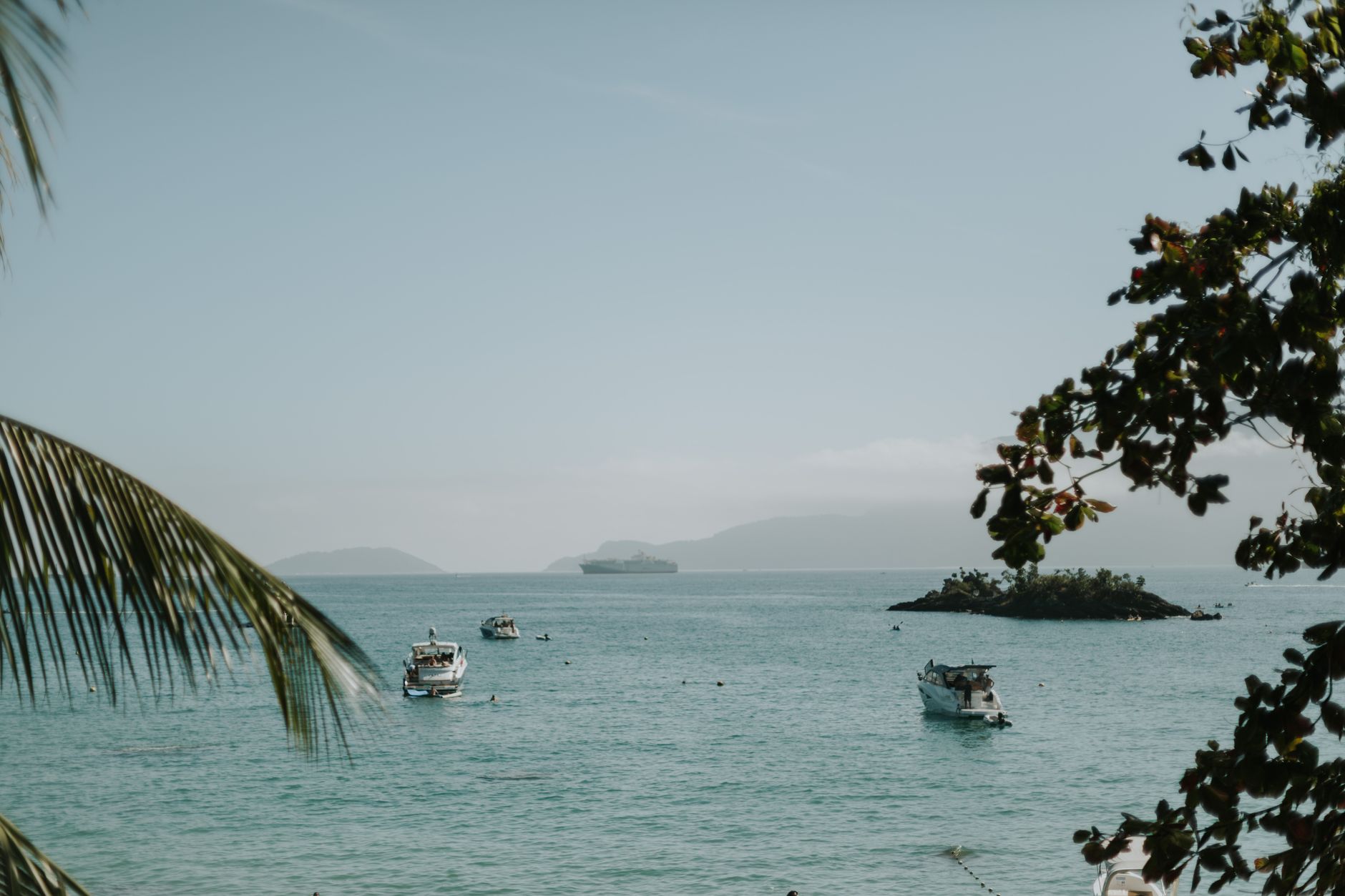
Yukevalo Island is a charming destination known for its stunning natural scenery, rich cultural history, and plethora of outdoor activities. Visitors flock to this island paradise for hiking, wildlife viewing, and relaxing at pristine beaches. This practical guide aims to provide all the necessary information to help you plan a memorable trip to Yukevalo Island.
From exploring the local attractions and finding suitable accommodations to understanding the best ways to get around, this guide covers everything you need for a successful visit. Let’s dive into the best tips for making the most of your time on Yukevalo Island.
How To Visit Yukevalo Island?
To visit Yukevalo Island, fly to the nearest major airport, then take a ferry or charter a boat to reach the island. Plan your activities around the stunning landscapes, local culture, and outdoor adventures available, ensuring a well-rounded trip.
Getting to Yukevalo Island
Traveling to Yukevalo Island is a straightforward process, with several options available depending on your starting location.
Nearest Airport
The closest major airport is located in the mainland city of Osoya. From there, you can book a domestic flight or take a bus to the ferry terminal. If you’re traveling from another country, consider flying into Osoya and then connecting with local transportation.
Ferry Services
Multiple ferry services operate daily from Osoya to Yukevalo Island. These ferries offer stunning views of the surrounding waters, making your journey a beautiful start to your vacation. It’s advisable to book ferry tickets in advance, especially during peak season, as they can fill up quickly.
Best Time to Visit Yukevalo Island
Yukevalo Island boasts a temperate climate, making it suitable for visiting year-round. However, the best time to experience the island is during the late spring and summer months, from May to September.
Seasonal Considerations
- Spring (March – May): This season is marked by blooming flowers and mild temperatures, making it perfect for outdoor activities and exploring the local landscape.
- Summer (June – August): Ideal for beach activities and wildlife viewing, summer has the warmest weather. Expect larger crowds, especially during family vacation weeks.
- Fall (September – November): Fall offers beautiful foliage and quieter surroundings, but temperatures start to drop significantly. It’s a good time for hiking.
- Winter (December – February): Although it may be chilly, winter offers unique activities such as birdwatching and enjoying the scenery with fewer tourists.
Length of Stay
For a satisfying Yukevalo Island experience, plan a stay of around four to seven days. This duration allows ample time for exploration, relaxation, and partaking in various activities without feeling rushed.
Where to Stay on Yukevalo Island
Yukevalo Island has diverse accommodation options that cater to different budgets and preferences. Consider the following areas:
Coastal Resorts
The coastal resorts offer luxurious stays with stunning ocean views. Many have on-site restaurants and activity coordination services, making them ideal for travelers seeking a more pampered experience.
Inn and Guesthouses
For a cozier atmosphere, look into local inns and guesthouses. These options often provide a more personal touch, with host families that can recommend activities and local cuisine. Prices are generally affordable, catering to budget-conscious travelers.
Campsites
If you’re an outdoor enthusiast, consider camping at designated sites. This option allows you to immerse yourself in nature and experience the island’s beauty firsthand. Note that facilities vary, and reservations may be required.
Transportation on Yukevalo Island
Getting around Yukevalo Island can be accomplished through various transportation methods depending on your preferences.
Rental Bicycles
Renting a bicycle is a popular option for many visitors. Cycling gives you the freedom to explore at your own pace while enjoying the fresh air. Be sure to check for rental shops near your accommodation.
Public Buses
Public buses connect different areas of the island and are an economical choice for travelers. Keep an eye on the bus schedule, which may vary seasonally. It’s best to familiarize yourself with the routes in advance.
Car Rentals
If you prefer more independence, consider renting a car. Though the island is navigable by bike and bus, having your own transportation can make it easier to visit more remote locations.
Things to Do on Yukevalo Island
Yukevalo Island offers a plethora of activities that cater to all interests. Here are some highlights:
Outdoor Adventures
- Hiking Trails: Numerous trails lead through lush landscapes, offering varying levels of difficulty. The views from the tops of the trails are often rewarding and worth the effort.
- Water Sports: Kayaking, paddleboarding, and snorkeling are popular activities around the island, showcasing the rich marine life and stunning water clarity.
- Wildlife Watching: Keep an eye out for local wildlife, including diverse bird species and seals. Guided tours are available for those wanting a knowledgeable perspective on the local fauna.
Cultural Experiences
- Local Markets: Visit the weekly market to sample homemade produce and local crafts. This also provides an opportunity to interact with the friendly residents.
- Museums: Explore local museums that offer insights into the island’s history and indigenous culture. Check out traveling exhibits that may be on display during your visit.
- Art Galleries: Discover local artwork that reflects the island’s charm. Many galleries host workshops and events throughout the year.
Beaches
The island is home to several pristine beaches, suitable for sunbathing, swimming, or beachcombing. Notable beaches include:
- Sunset Beach: Known for its picturesque sunset views, perfect for an evening of relaxation.
- Shell Beach: Unique for its diverse shells and opportunities for exploring tide pools.
- White Sands Beach: A family-friendly spot with amenities like picnic areas and restroom facilities.
Food and Drink on Yukevalo Island
Your culinary experience on Yukevalo Island is sure to be memorable, thanks to its variety of dining options. Here’s what you need to know:
Dining Options
- Seafood Restaurants: Being an island, the seafood is fresh and abundant. Many places specialize in local catches, prepared with native ingredients.
- Cafés and Bakeries: Enjoy light meals and snacks at local cafés, often baking their own bread and pastries – a must-try!
- Ethnic Cuisine: Various restaurants offer global flavors, from local indigenous dishes to Asian and Mediterranean options.
Local Specialties
Be sure to sample dishes made with locally sourced ingredients. Some must-try items include:
- Yukevalo Fish Stew: A hearty local favorite made with freshly caught fish and seasonal vegetables.
- Berry Desserts: Indulge in desserts made from indigenous berries during the summer months.
Planning a Budget for Yukevalo Island
Creating a budget for your trip can help ensure you make the most of your visit without overspending. Here are factors to consider:
Accommodation Costs
Accommodation prices vary widely based on where you choose to stay. Budget hotels and campsites can range from quite affordable, whereas luxury resorts naturally come with a higher price tag. Expect to spend anywhere from $50 to $250 per night.
Food and Drink Expenses
Dining can also vary based on preference. On average, meals might range from $10 at casual spots to $50 or more at fine dining establishments. Self-catering is an option if you prefer to save on meals.
Activity Budgeting
Many outdoor activities may have nominal fees, while self-guided explorations can be free. Allocate funds for renting equipment or guided tours for a richer experience.
Total Estimated Costs
Budget travelers can expect to spend approximately $100 a day, while mid-range travelers might spend $200 or more. Luxury travelers should plan accordingly, expecting higher expenditure.
Safety and Accessibility Considerations
Yukevalo Island is generally considered safe for tourists, but there are a few key points to keep in mind.
Health and Safety
- Ensure you have appropriate travel insurance that covers any outdoor activities you plan to undertake.
- Stay hydrated and protect yourself from the sun, especially during summer months.
- Familiarize yourself with local emergency contacts and the nearest medical facilities upon arrival.
Accessibility
Many parts of Yukevalo Island are accessible to those with mobility challenges, though some hiking trails and natural settings may be less accommodating. Always check ahead regarding specific locations if you require special accommodations.
Packing Essentials for Yukevalo Island
Make sure to pack strategically for your trip to Yukevalo Island. Key essentials include:
- Clothing: Layered clothing is advisable to adapt to changing weather conditions. Pack swimwear, hiking gear, and comfortable walking shoes.
- Local Guidebook: Having a guidebook on hand can enhance your exploration experience and help you navigate the island.
- Sunscreen and Insect Repellent: Protect your skin from sun exposure and keep bugs at bay, particularly during summer.
Conclusion
Yukevalo Island presents the perfect blend of adventure, relaxation, and cultural immersion. A visit here promises breathtaking views and unique experiences that cater to all interests. Start planning your trip today to explore this beautiful island.
Explore more practical travel insights by checking out our guides on things to do in Victoria, BC and things to do in Washington Island.