
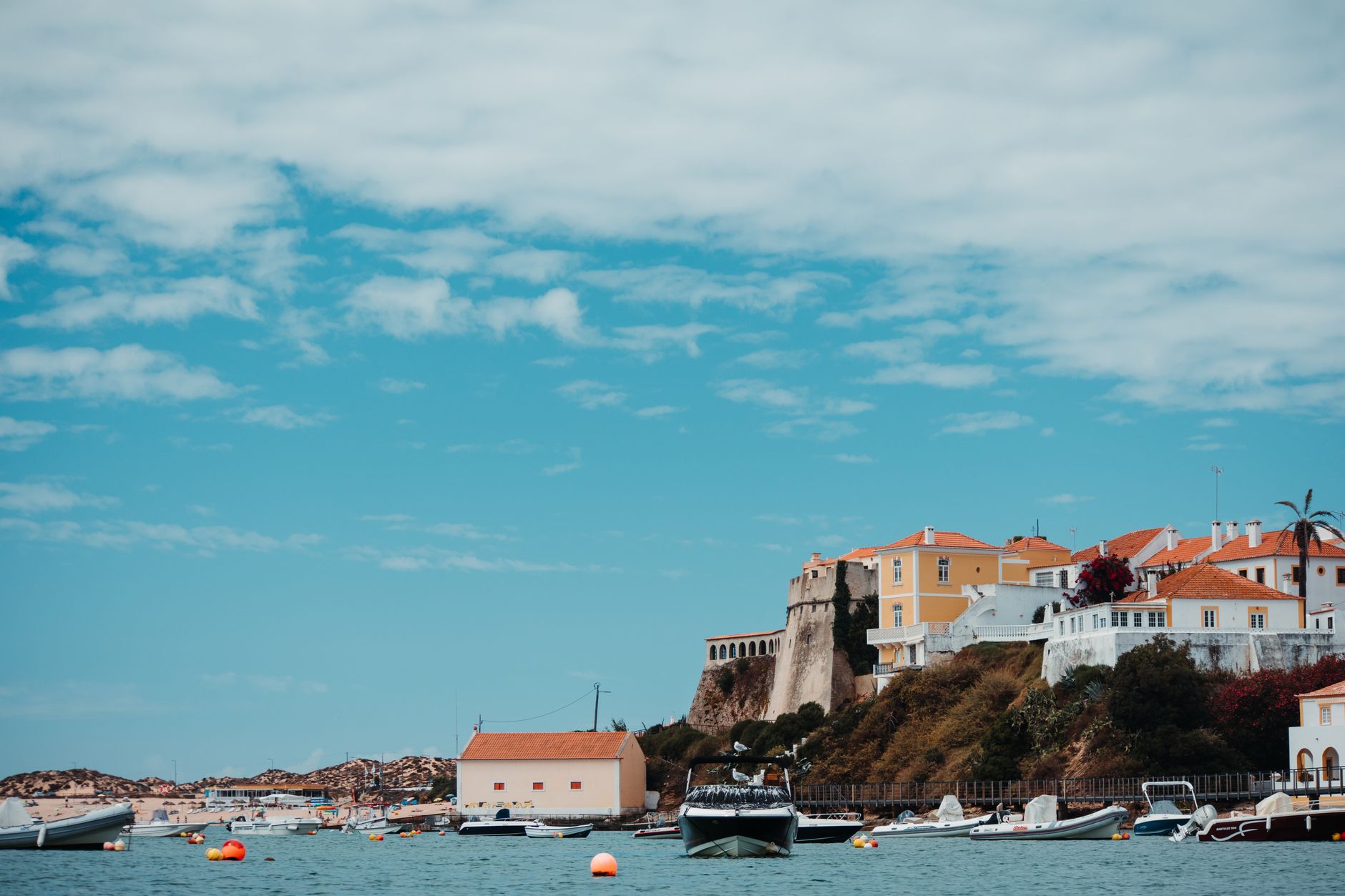
Croatia is an increasingly popular destination, known for its stunning coastline, historic cities, and vibrant culture. Many travelers wonder about the costs associated with a trip to this beautiful country. Understanding the price range for travel, food, accommodation, and activities can help you plan your budget wisely.
This guide aims to help you evaluate whether Croatia is expensive in comparison to other European destinations. By breaking down various expenses involved in traveling to Croatia, you can make informed choices for your trip.
Is Croatia Expensive?
Overall, Croatia can be considered moderately priced for travelers. Costs can vary significantly depending on location, time of year, and personal spending habits. However, compared to many Western European countries, Croatia offers a more budget-friendly travel experience.
Factors Influencing Costs in Croatia
When assessing the costs in Croatia, several factors will affect your budget:
- Location: Coastal cities like Dubrovnik and Split tend to be more expensive than inland areas such as Slavonia or Osijek.
- Season: Prices increase during peak tourist season (June to August), so traveling in shoulder months may yield better deals.
- Type of Traveler: Luxury travelers will find upscale options, while budget backpackers can make do with hostels and street food.
Accommodation Options and Prices
Accommodation costs can significantly impact your overall budget. Here’s a breakdown of typical prices based on accommodation types:
- Hostels: Prices start from €10 to €25 per night for dormitory-style rooms. Private rooms in hostels may go from €30 to €60.
- Boutique Hotels: Mid-range hotels can cost €50 to €150 per night based on location and amenities.
- Luxury Hotels: High-end accommodations can range from €150 to over €400 per night, especially in popular tourist areas.
- Rentals: Airbnb and vacation rentals offer varied pricing, typically ranging from €40 to €200 per night depending on the type and location.
Food and Drink Expenses
Dining in Croatia can be quite affordable if you know where to eat. Here’s a general price guide for meals:
- Street Food: A quick bite like a cevapi or burek can cost between €3 to €6.
- Casual Restaurants: A meal in a casual restaurant ranges from €10 to €20, where a pizza or pasta dish can be found at reasonable prices.
- Mid-range Dining: Expect to pay around €20 to €40 for a three-course meal at a mid-range restaurant.
- Fine Dining: Upscale meals can cost upwards of €50 per person, particularly in tourist hotspots.
- Coffee and Beverages: A coffee typically costs €1 to €3, while beer can range from €2 to €5.
Transportation Costs in Croatia
Getting around Croatia can vary in price based on your mode of travel. Here’s a breakdown:
- Public Transport: Buses and trains are affordable options, with prices for intercity travel generally ranging between €10 to €30.
Local transport in cities may cost around €1 to €3 per journey. - Car Rentals: Renting a car can range from €30 to €70 per day, plus fuel costs.
- Taxis: Taxi fares start around €3, with additional costs depending on distance. Consider using ride-sharing apps where available.
- Ferries: Ferry rides to islands can cost €5 to €15 depending on the route.
Activities and Entertainment Costs
Consider these estimates for activities and entertainment:
- Attractions: Entrance to museums or historical sites can range from €5 to €15.
- Outdoor Activities: Adventures like kayaking, cycling, or other rentals can cost between €20 and €70 depending on the activity.
- Guided Tours: Full-day tours can range from €50 to €100.
- Nightlife: A night out can vary from €10 for a drink at a bar to €50 for a cover charge and drinks at a club.
Best Times to Visit Croatia
The timing of your visit can greatly affect your travel costs:
- Peak Season: June to August sees the highest prices, along with large crowds.
- Shoulder Season: Late spring (April to May) and early fall (September to October) offer pleasant weather, fewer tourists, and lower prices.
- Off-Season: Winter (November to March) is the least expensive time, but many coastal activities may be limited.
Suggested Length of Stay
For a well-rounded experience, a stay of 7 to 10 days is recommended. This allows time to explore:
- Major cities like Zagreb, Dubrovnik, and Split.
- National parks such as Plitvice Lakes and Krka.
- Centrally located destinations like Rijeka or Zadar.
Safety and Accessibility Considerations
Safety is generally not an issue in Croatia, but consider the following:
- Keep belongings secure, especially in crowded tourist areas.
- Travel insurance is advisable for any health emergencies or unexpected incidents.
- Public transportation is accessible, but some historic areas may have uneven terrain.
Tips for Traveling on a Budget in Croatia
Here are some practical budgeting tips to make your trip more affordable:
- Travel during the shoulder or off-peak seasons to minimize costs.
- Choose local food options, such as bakeries and konobas (taverns), for authentic and cost-effective meals.
- Utilize public transportation rather than taxis or car rentals when possible.
- Look for free walking tours in major cities—great for sightseeing and getting to know the local history.
- Consider city passes which offer discounts on attractions and public transport.
Conclusion
In summary, Croatia can be a moderately priced destination that offers a range of options to suit various budgets. The key to managing your expenses lies in careful planning, especially regarding travel periods, accommodation, and dining choices. With the right preparations, you can enjoy everything Croatia has to offer without breaking the bank.
As you explore your travel options, consider checking out guides to related destinations, with insights on travel budgets for unique locations. Learn more about planning your trip to Bora Bora or discover the allure of a Disney cruise experience.