
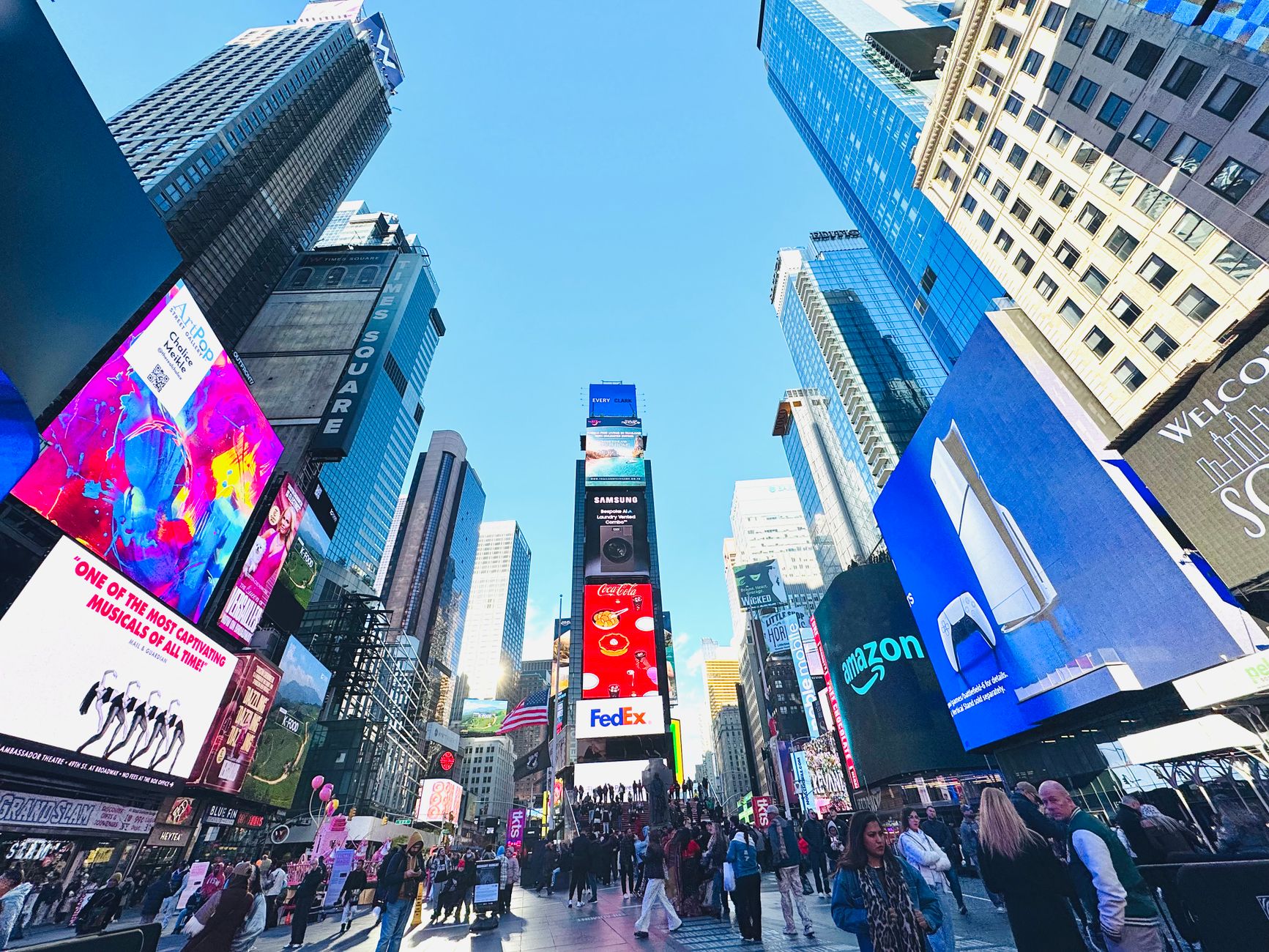
New York City, known for its iconic skyline, bustling streets, and rich cultural heritage, is a dream destination for many travelers. However, one of the first questions that often arises is about safety. Is New York City safe? This guide provides essential safety tips, potential risks, and practical travel advice to navigate this vibrant city confidently.
While New York City has made significant strides in improving safety over the years, it’s crucial to be informed. Understanding the various neighborhoods, common risks, and basic travel precautions can enhance your experience and ensure a memorable trip.
Is New York City Safe?
Yes, New York City is generally safe, especially in popular tourist areas, thanks to a larger police presence and a myriad of safety initiatives. However, like any major metropolis, it has its risks, and awareness is key. Understanding these nuances will help you navigate the city safely and enjoyably.
Understanding the Safety Landscape
The safety landscape of New York City is complex and varies by neighborhood. While most visitors have trouble-free experiences, some areas are more populated, whereas others may require extra caution. Here’s a closer look at both safe and less safe areas:
Safe Neighborhoods for Tourists
- Manhattan: Most tourist hotspots like Times Square, Central Park, and the Museum Mile are safe.
- Brooklyn: Areas such as Williamsburg and DUMBO are known for their vibrant scenes and are generally safe.
- Queens: Astoria and Long Island City offer great attractions and are home to diverse communities.
- Staten Island: This quieter borough has a suburban feel, making it relatively safe for visitors.
Areas to Exercise Caution
- Parts of the Bronx: Some areas have higher crime rates, but many are perfectly safe, especially during the day.
- North Manhattan: Areas like Harlem have seen improvements, but it’s still wise to remain aware of your surroundings.
- Empty City Streets: Areas with low pedestrian activity after dark can feel desolate and may not be the safest.
Common Risks in New York City
While overall crime rates have dropped, being informed about prevalent risks can help you stay protected. Here are some common concerns for visitors:
Petty Crime: Pickpocketing and Scams
As with many tourist-heavy areas worldwide, pickpocketing can occur, especially in crowded areas and on public transport. Scammers may approach you with various schemes. Stay alert and keep your belongings secured.
Public Transportation Safety
New York City’s subway system is extensive and generally safe for travelers. However, taking basic precautions—like avoiding empty cars late at night and keeping an eye on your bags—can improve your experience.
Street Safety
While walking in NYC is one of the best ways to enjoy the city, stay aware of your surroundings. Watch for cyclists and don’t use your phone while crossing busy streets to avoid accidents.
Safety Tips for Traveling in New York City
Staying safe in New York City doesn’t require a complete overhaul of your travel plans; a few straightforward precautions can make a big difference. Here are essential safety tips to consider:
1. Stay Aware of Your Surroundings
Being attentive and conscious of your environment is vital. Avoid distractions such as excessive phone usage while walking, and keep an eye on your belongings.
2. Use Trusted Transportation Services
When using taxis or rideshare services, opt for official transportation providers. Yellow cabs are a reliable choice, and apps like Uber and Lyft are also widely used across the city.
3. Keep Valuables Secure
Store important documents, extra cash, and devices in a money belt or secure backpack. Carry only what you need while exploring, and avoid displaying expensive items.
4. Be Cautious at Night
Most neighborhoods are safe at night, but staying in well-lit areas with other people is best. When possible, travel in groups or take transportation instead of walking long distances after dark.
5. Avoid Discussions with Strangers
While engaging with locals can be enjoyable, be cautious of people asking for money or trying to start a conversation. Politely declining is usually your best option for peace of mind.
6. Research Areas Before Visiting
Doing your homework about neighborhoods will help you plan your itinerary effectively. Look for recent reports about crime rates and general safety indicators in specific areas.
Health and Safety Considerations
Health and safety go hand-in-hand with personal safety. Here are some essential health precautions to consider during your visit:
Stay Hydrated
New York City can experience hot summers, so staying hydrated is essential. Always carry a bottle of water, especially if you plan to walk for long stretches.
Emergency Contacts
Familiarize yourself with emergency contacts prior to your trip. In the U.S., the emergency number is 911. Save important numbers such as your country’s embassy and local hospitals for easy access.
Health and Medical Insurance
Ensure you have comprehensive travel insurance that covers medical expenses. Hospitals can be costly, and having coverage will offer peace of mind during your stay.
Health Safety Protocols in New York City
As a major urban center, New York City has been proactive in health and safety measures, especially post-pandemic. Expect to see protocols regarding sanitation and public health across the city.
Stay Informed About Health Guidelines
Keep up with any health advisories from local authorities. Guidelines may change frequently based on health data, so staying informed will help you adapt.
Wear Masks When Necessary
Depending on the current situation, wearing a mask may be advisable in crowded settings, on public transport, or in healthcare facilities. Follow the latest city guidelines for compliance.
Your Rights as a Tourist
It’s essential to know your rights while visiting as a tourist. Be informed on what to do if you feel your safety is compromised:
Know the Law
Understanding your rights can help you navigate difficult situations. If approached by authorities, remain calm and respectful. Request to speak to a legal representative if needed.
Report Crime Promptly
Should you experience or witness a crime, report it immediately to the nearest police officer or call the authorities. Provide as much detail as possible to aid in any investigation.
File Complaints if Necessary
If you feel mistreated or unsafe, don’t hesitate to file a complaint with local authorities or tourist assistance offices. Your feedback can help improve policies for future travelers.
Accommodation Safety Tips
Your choice of accommodation can significantly influence your safety during your stay. Here are several considerations to keep in mind:
Location Matters
When booking, consider neighborhoods known for their safety and accessibility. Comparing options in different boroughs may offer different atmospheres and safety perceptions.
Read Reviews and Ratings
Hotel and apartment reviews can provide insight into safety. Look for comments on security features and experiences shared by previous guests.
Ask About Safety Features
When checking in, inquire about security measures such as cameras, keycard access, and on-site staff availability. A well-secured hotel can offer an extra layer of comfort.
Budgeting for Your Trip
New York City is known for its high costs, so budgeting wisely can help alleviate stress. Here are some pointers on managing your travel finances:
Accommodation Cost
Hotel prices can vary significantly based on location. Research and book early for better rates. August and December tend to be high-season months in the city, so consider off-peak months for budget-friendly travel.
Transport Expenses
The subway offers an economical way to explore the city. A single fare can save you significantly compared to taxis. Additionally, consider getting a MetroCard for longer stays.
Food Budgeting
New York City features a wide range of cuisines for every budget. Food trucks, falafel shops, and delis can offer delicious meals without breaking the bank.
Free and Low-Cost Activities
Investing in experiences doesn’t have to be expensive. Explore free attractions such as Central Park, the High Line, or walking tours showcasing the city’s diverse neighborhoods.
Seasonal Considerations for Travel
Weather can affect your safety and enjoyment during your visit. Here’s what to expect:
Spring and Fall
These seasons offer mild weather and stunning scenery, making them ideal for outdoor activities. Just be mindful of pollen allergies in the spring.
Summer
Expect heat and humidity during summer months, with temperatures averaging above 80°F. Stay hydrated and prepared for occasional thunderstorms.
Winter
Winter can be cold and snowy, so packing warm layers is crucial. Streets may become slippery, so be cautious when walking, particularly on ice.
Final Thoughts on Safety in New York City
In summary, New York City is a place filled with lively experiences and opportunities. By staying vigilant, following the advice provided, and being aware of your surroundings, you can have a safe and enjoyable trip. With due diligence, you will likely find that the safety concerns can be easily managed and do not overshadow the vibrant essence of this iconic city.
Now that you’re equipped with essential safety information, consider exploring other aspects of travel planning. Check out guides on the safety in Washington, D.C. or explore tips about safety in various destinations.