
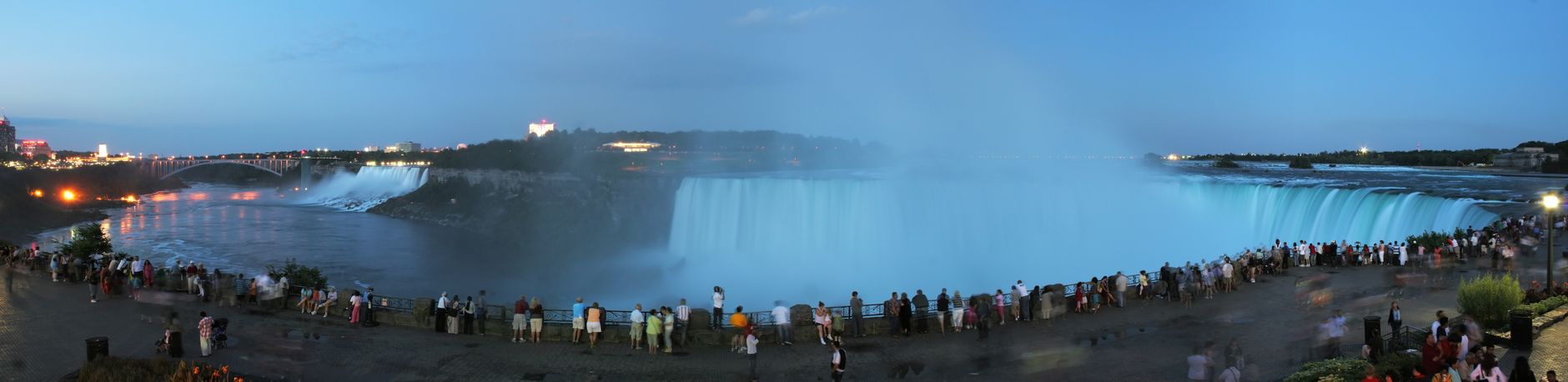
Niagara Falls is one of the most iconic natural wonders in the world, attracting millions of visitors each year. When planning a visit, a common question arises: Is Niagara Falls a national park? Understanding the status of this famous destination and its surrounding areas is crucial for travelers looking to explore its majestic beauty and rich offerings.
This article will delve into whether Niagara Falls is designated as a national park, discuss the features that make it a must-see destination, and provide essential travel tips on experiencing the falls and the surrounding region. From attractions to accommodations, this guide covers everything you need to make the most of your visit.
Is Niagara Falls a National Park?
Yes, Niagara Falls is a national park, specifically in the United States. Known as Niagara Falls State Park, it was established in 1885 and is recognized as the oldest state park in the U.S. This park encompasses the American Falls, Bridal Veil Falls, and a portion of the Niagara River. The park spans over 400 acres and offers stunning views, walking trails, and various attractions that enhance the visitor experience.
In addition to Niagara Falls State Park, the neighboring Canadian side features Niagara Parks, which is also dedicated to preserving the natural beauty of the area. However, it’s important to note that while both parks are managed separately, they collectively contribute to the awe-inspiring experience of visiting Niagara Falls.
Historical Significance of Niagara Falls State Park
Niagara Falls has a rich history that dates back thousands of years, and the establishment of Niagara Falls State Park marked a significant step in conservation efforts. The park was created to protect the natural environment from potential exploitation during the industrial boom of the late 19th century. The park’s designation has enabled it to be preserved for future generations to enjoy its natural wonders.
Over the years, the park has evolved with enhancements such as visitor facilities, educational programs, and environmental conservation initiatives, making it a center of both recreation and education.
Key Attractions in Niagara Falls State Park
When visiting Niagara Falls State Park, there are several key attractions you should not miss. Each offers a unique perspective of the falls and the natural surroundings:
- The Horseshoe Falls: The most famous section of the falls, located on the Canadian side, offers a breathtaking view that you can enjoy from both sides of the border.
- The American Falls: This stunning waterfall is visible from various points within the park and features an observation area where visitors can take pictures.
- Bridal Veil Falls: The smallest of the three main waterfalls, this spot provides a relatively intimate experience with the falls.
- The Cave of the Winds: Venture close to the falls with a guided tour that brings you to observation decks just feet away from the rushing waters, giving you an up-close view of the falls’ powerful force.
- Top of the Falls Restaurant: Located within the park, this dining spot offers a beautiful view of the falls while enjoying a meal.
- Maid of the Mist: This historic boat tour takes visitors right up to the base of the falls for a thrilling experience that showcases the sheer power and beauty of nature.
- Discovery Center: Located near the entrance of the park, the center offers informative exhibits about the geology and history of Niagara Falls.
Planning Your Visit to Niagara Falls State Park
To make the most of your visit, consider the following tips:
Best Time to Visit
Niagara Falls State Park is open year-round, but the experience varies significantly by season. Here is a breakdown:
- Spring (March to May): Spring brings mild weather, and visitors can enjoy blooming flowers and blooming greenery in the park. This is also when attractions like the Maid of the Mist reopen.
- Summer (June to August): The peak tourist season, summer offers the warmest weather and the busiest attractions. Expect large crowds, especially on weekends. It’s wise to book accommodations in advance.
- Fall (September to November): Fall is ideal for those who enjoy cooler weather and beautiful foliage. The fall colors add a stunning backdrop to the falls.
- Winter (December to February): Visiting in winter provides a unique experience with snow-covered landscapes. Tourist numbers drop dramatically, but many attractions, including the Cave of the Winds, may close for safety reasons.
Getting to Niagara Falls State Park
Niagara Falls is easily accessible by car, bus, and plane. Here are common transportation options:
- By Car: Major highways such as I-90 and I-190 connect to Niagara Falls, making driving straightforward. Ample parking is available near the park.
- By Bus: Various intercity bus services connect Niagara Falls with major cities like Buffalo, Rochester, and Toronto. Check schedules and routes for availability.
- By Plane: The nearest airport is Buffalo Niagara International Airport (BUF), about 30 minutes away by car. Rental cars and shuttle services are available for transport to the park.
Getting Around the Park
Within Niagara Falls State Park, there are several ways to explore the area:
- Walking: The park is designed for pedestrian access with designated walking paths and observation points.
- Shuttle Buses: Seasonal shuttle services operate within the park, making it easy for visitors to hop between attractions.
- Guided Tours: Consider joining a guided tour to enhance your experience with expert insights about the falls and surrounding ecosystem.
Accommodation Options Near Niagara Falls
Accommodations can vary widely depending on your needs and preferences. Options include:
Hotels and Lodges
Many hotels in the vicinity offer stunning views of the falls or are within a short walk to the park. Here’s a brief overview:
- Hotels with Falls Views: Some options provide rooms that overlook the falls, allowing guests to enjoy sunrise or sunset views.
- Budget Hotels: Various budget-friendly hotels and motels offer comfortable stays without breaking the bank, often with standard amenities.
- Bed and Breakfasts: For a more personal experience, consider staying at a local bed and breakfast, which can offer unique accommodations and breakfast options.
Camping
If you prefer camping, there are options nearby, including:
- Niagara Falls State Park Campground: A campground located within the park itself, offering various sites for tents and RVs, providing a close-to-nature experience.
- Nearby Campgrounds: Additional campgrounds available outside of the park’s borders offer various amenities and recreational opportunities.
Dining Options Near Niagara Falls
Dining experiences near Niagara Falls can enhance your visit. Consider these options:
- Top of the Falls Restaurant: Located in the park, offers a stunning view as you dine on locally sourced cuisine.
- Local Eateries: Explore dining options in nearby Niagara Falls, NY, and Niagara Falls, ON, where many eateries serve delicious local fare.
- Cafés and Fast Food: Quick service restaurants can be found within the park and nearby for easy meals on the go.
Budgeting for Your Trip
Planning a trip to Niagara Falls can be economical or luxurious, depending on your choices. Here are some considerations for budgeting:
Entry Fees
While Niagara Falls State Park is free to enter, some attractions, like the Maid of the Mist and Cave of the Winds, charge admission fees. Checking current prices before your visit is advisable.
Accommodation Costs
Hotels and accommodations will vary based on the time of year. Summer prices are typically higher due to demand, while winter rates may drop significantly.
Dining and Activities
Dining costs can also range widely. Expect to pay more for sit-down restaurants compared to casual dining. Additionally, activities such as tours or special experiences will add to the budget, so plan accordingly.
Tips for Responsible Visiting
Being a responsible visitor in Niagara Falls State Park is crucial to preserving its natural beauty. Here are some guidelines:
- Follow Trail Rules: Stay on designated paths and trails to minimize environmental impact.
- Respect Wildlife: Observe wildlife from a distance and do not feed animals.
- Leave No Trace: Pack out what you bring in and avoid littering.
Conclusion
Niagara Falls is indeed a national park, offering a plethora of natural wonders and activities for visitors to enjoy. Whether you’re marveling at the falls, dining with a view, or exploring trails, the park promises a memorable experience. Understanding its unique features and practical details will help you plan a trip that fits your needs and interests.
For more information about your journey, explore how far Niagara Falls is from New York City or check the distance from Toronto to Niagara Falls. These resources can aid your travel planning, ensuring you have an unforgettable experience.
Feel free to delve into more destination guides and travel tips to plan your perfect getaway! Explore how far is Niagara Falls from New York City or find out how far is Toronto from Niagara Falls for further insights about your trip.