
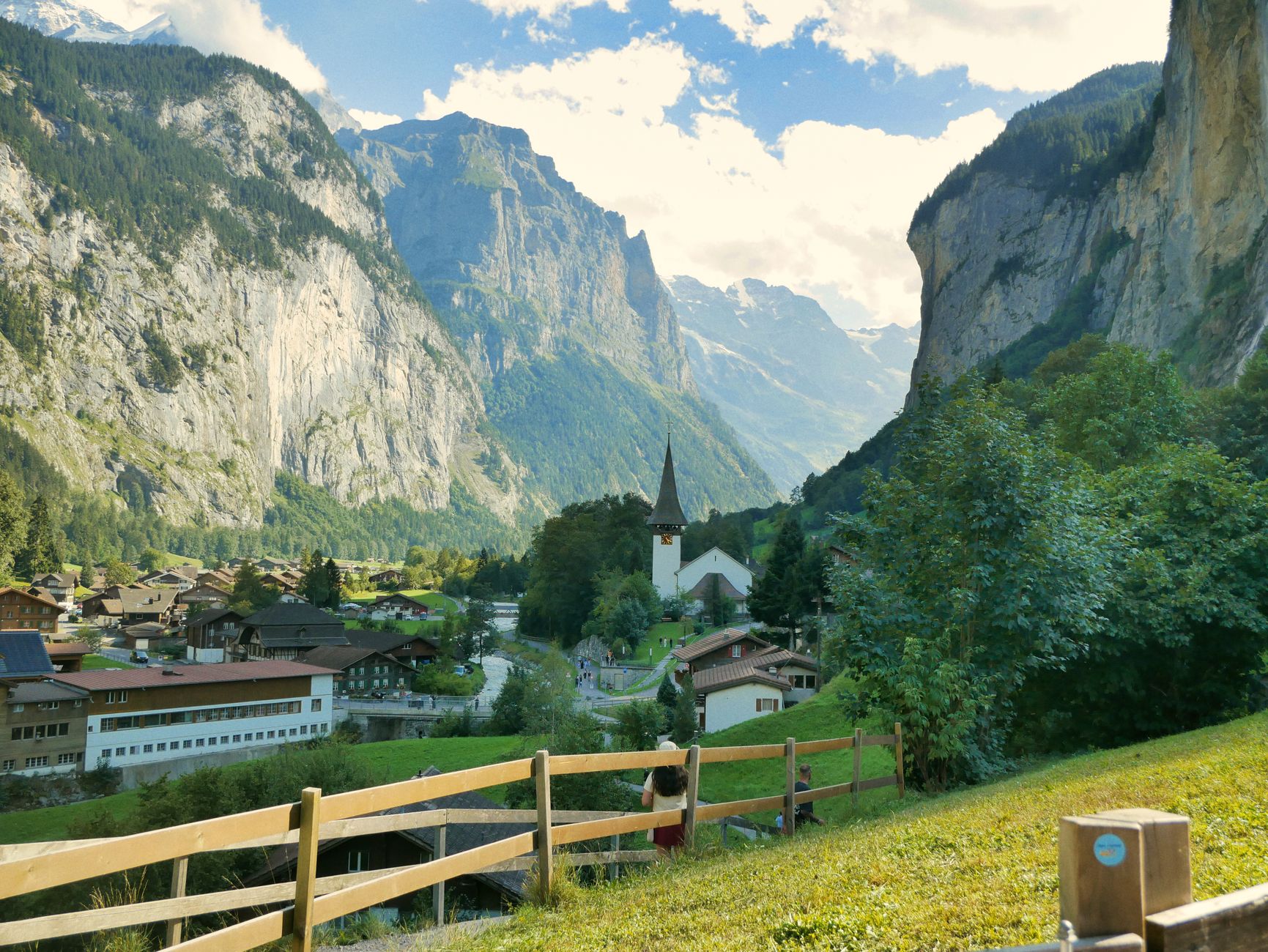
Switzerland is often seen as one of the most luxurious travel destinations in the world, known for its breathtaking landscapes, elegant cities, and high-quality chocolate. However, many travelers wonder whether they can visit this beautiful country without breaking the bank. Understanding the cost of traveling to Switzerland involves evaluating various factors such as accommodation, food, transportation, and activities.
This guide delves into the costs associated with visiting Switzerland, offering practical tips and insights to help manage your budget. Whether you are seeking a luxurious getaway or looking to explore on a budget, there are options available for every traveler.
Is Switzerland Expensive?
Yes, Switzerland is considered expensive compared to many other travel destinations. Factors contributing to the high cost include a strong currency, high living standards, and well-developed infrastructure. However, with careful planning, you can manage your budget effectively while enjoying this stunning country.
Understanding the Cost of Living
Switzerland consistently ranks high on lists of the most expensive countries to live in due to its high prices for goods and services. The Swiss Franc (CHF) is the official currency, and its value compared to other currencies can vary. As of now, travelers should keep an eye on exchange rates to optimize their spending.
Comparison of Basic Costs
| Item | Average Cost (CHF) |
|---|---|
| Meal at a restaurant | 20-40 |
| Beer (0.5L) | 6-10 |
| Public transportation ticket | 2.50-6.50 |
| Hotel (mid-range) | 150-250 per night |
| Attraction entry fee | 10-30 |
Prices may vary based on the city and time of year, but these averages can help you determine your potential expenses while in Switzerland.
Accommodation Options
Accommodation costs are generally the largest portion of your travel budget in Switzerland. Options range from budget hostels to high-end hotels. Here’s a breakdown of what to expect.
Types of Accommodations
- Hostels: Dormitory beds average around CHF 30 to CHF 60 per night, while private rooms can start at CHF 80.
- Hotels: Mid-range hotels typically charge between CHF 150 and CHF 250. For luxury hotels, expect prices from CHF 300 and up.
- Apartments: Renting an apartment via platforms like Airbnb can provide more cost-effective options for groups or longer stays, averaging CHF 100 to CHF 200 per night.
- Campsites: If you are looking for budget options, campsites are available for CHF 15 to CHF 40 per person, depending on the site.
Consider booking well in advance, especially during peak seasons, to secure better rates, especially in popular cities like Zurich, Lucerne, and Geneva.
Dining and Food Costs
Food prices can also add up quickly in Switzerland. Dining out, especially in cities, is generally pricier than in other European countries.
Dining Options
- Restaurants: A meal at an inexpensive restaurant can cost CHF 20 to CHF 40. A three-course meal for two people in a mid-range restaurant averages CHF 70 to CHF 120.
- Supermarkets: Grocery shopping can be a way to save money. You can find a prepared meal for CHF 10 to CHF 15.
- Fast Food: A meal at a fast-food chain can cost around CHF 15.
Traditional Swiss dishes such as fondue or raclette can be enjoyed; however, they may be more expensive. Be on the lookout for local lunch specials, which can provide good value.
Transportation Costs
Switzerland’s public transportation system is one of the best in the world, offering a range of options for getting around.
Modes of Transportation
- Trains: Swiss trains are efficient and scenic. A one-way ticket between major cities may cost CHF 25 to CHF 70, depending on the distance.
- Buses: Buses can be a cheaper alternative to trains, with fares starting at CHF 10 for short distances.
- Trams and Local Transport: Cities like Zurich and Geneva have trams, with tickets costing CHF 2.50 to CHF 5.
- Swiss Travel Pass: A great option for travelers, the Swiss Travel Pass allows unlimited travel on the public transport network for varying durations, starting at CHF 75 for three days.
Buying tickets online in advance can sometimes yield discounts, and consider the Swiss Travel Pass if you plan to travel extensively within the country.
Activities and Attractions
Switzerland is rich in attractions and activities, but these can often come with admission fees. Here’s how to budget for some popular activities.
Attractions
- Outdoor Adventures: Hiking is a popular and often free activity in Switzerland, though certain trails may require fees. Cable cars can cost CHF 20 to CHF 60 per ride.
- Museums: Entry fees for museums range from CHF 10 to CHF 20. Some museums are free on certain days, so check schedules.
- Lake Activities: Boat rides on the lakes can cost CHF 30 to CHF 60, depending on the distance and type of boat.
Many cities offer city cards that provide discounts on attractions and public transport, which can be a great way to save money if you plan to visit multiple sites.
Best Time to Visit
Switzerland has four distinct seasons, and your travel costs may vary depending on when you visit.
Seasonal Considerations
- Winter (December to February): High demand for winter sports attracts visitors and leads to higher prices. Ski resorts can be quite expensive.
- Spring (March to May): Generally lower prices than winter, with fewer tourists. Consider visiting during shoulder seasons.
- Summer (June to August): Peak tourist season. Expect higher prices, especially in areas with outdoor attractions.
- Autumn (September to November): Prices may drop again as the tourist season winds down.
For budget-conscious travelers, late spring and early autumn often provide the best balance of good weather and lower prices.
Suggested Length of Stay
How long you should stay in Switzerland depends on your interests and travel plans. A base recommendation is:
- Short Trip (3-5 Days): Visit one or two cities and enjoy local attractions.
- Moderate Trip (5-7 Days): Explore multiple cities and include a few outdoor activities.
- Extended Trip (7-14 Days): Delve deeper into the countryside, visit small towns, and experience various regional attractions.
Budget Tips for Traveling in Switzerland
Traveling in Switzerland doesn’t have to be prohibitively expensive. Here are some practical tips for managing your budget effectively:
Practical Tips
- Travel during shoulder seasons to take advantage of lower prices.
- Opt for self-catering accommodations to save on meals.
- Use public transport over taxis or rental cars for cost savings.
- Look for tourist cards or passes that provide discounts on attractions and transport.
- Explore free outdoor activities, such as hiking and swimming in lakes.
Additional Considerations
While Switzerland is compact, logistics such as travel times between cities can affect your daily itinerary. Swiss trains are punctual, but allow time for transfers.
Safety and Accessibility
Switzerland is known for being one of the safest countries for travelers. Public transport is generally reliable and accessible for those with mobility challenges. Major cities such as Zurich, Geneva, and Bern offer various services to assist those with disabilities.
Overall, while traveling in Switzerland can be expensive, with meticulous planning and flexibility, it can certainly be manageable. Prioritize your experiences, and remember that adventuring in nature or enjoying local cuisine can provide memorable moments without overspending.
Switzerland is an exceptional travel destination that offers stunning landscapes, rich culture, and a wide array of activities. Make sure to develop a budget that aligns with your travel aspirations, and you can enjoy all that this beautiful country has to offer.
Explore more about Switzerland by checking out this guide on What Switzerland is Known For or plan your next trip with insights from How Much is a Trip to Bora Bora.