
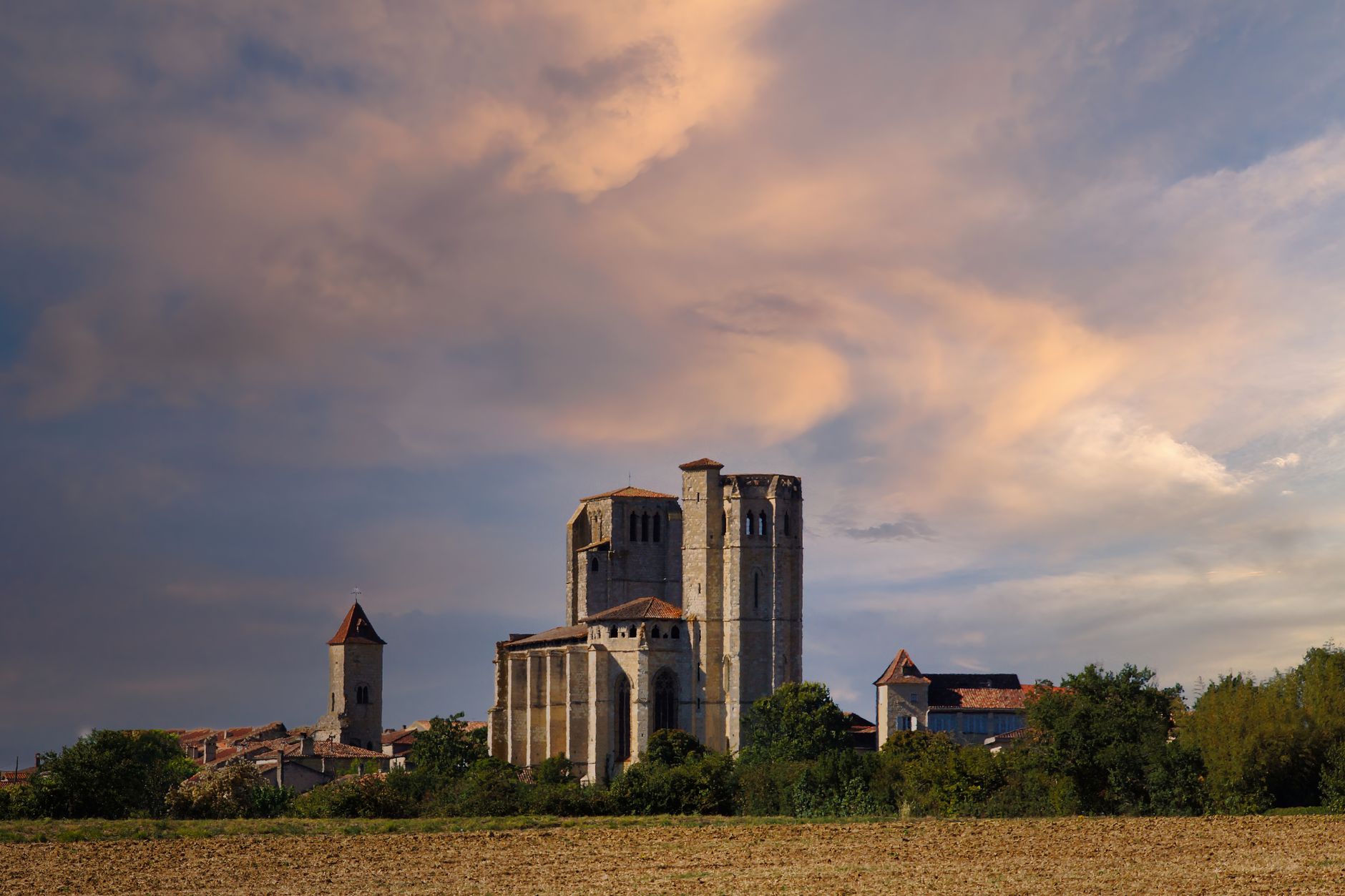
Transylvania is indeed a real place, well-known for its stunning landscapes, medieval towns, and rich folklore. Nestled in central Romania, it has become a popular destination for travelers seeking history, culture, and natural beauty, often associated with the Dracula legend. Visitors curious about this intriguing region will find plenty of charm and adventure awaiting them.
The question of whether Transylvania is real often arises due to its strong ties to Bram Stoker’s Dracula. However, this picturesque area, with its historic castles and quaint villages, offers much more than tales of vampires. This guide will explore what makes Transylvania worth visiting, ideal itineraries, transportation options, and accommodation suggestions.
Is Transylvania A Real Place?
Yes, Transylvania is a real region located in central Romania, bordered by the Carpathian Mountains to the east and south. It is famous for its breathtaking scenery, medieval architecture, and cultural heritage. The region is a composite of various towns, including Sibiu, Brașov, Cluj-Napoca, and Sighișoara, each boasting its own unique history and attractions.
Beyond its association with Dracula, which draws many tourists, Transylvania is home to picturesque villages and UNESCO World Heritage sites. Whether you’re an outdoor enthusiast, history buff, or culinary explorer, Transylvania has something for everyone.
Why Visit Transylvania?
Several factors make Transylvania an appealing destination:
- Historical Significance: Rich with castles, churches, and medieval towns, Transylvania offers a glimpse into Romania’s history.
- Natural Beauty: The Carpathian Mountains provide breathtaking landscapes, ideal for outdoor adventures.
- Cultural Blend: The region reflects a mix of Romanian, Hungarian, and Saxon influences, evident in its architecture and cuisine.
- Folklore and Legends: The Dracula legend pats say bathed in mystery, making the region captivating for visitors.
Top Attractions in Transylvania
Sighișoara
Sighișoara is a UNESCO World Heritage Site and one of the best-preserved medieval towns in Europe. It’s famous for its colorful buildings and cobbled streets. Visit the Clock Tower, which houses a museum displaying artifacts from the region’s history, and climb the tower for impressive views.
Brașov
Brașov is known for its charming squares and the Black Church, a notable Gothic monument. Explore the Republic Square and take a cable car ride up to Tâmpa Mountain for panoramic views of the Carpathians. The nearby Poiana Brașov ski resort is perfect for winter sports enthusiasts.
Bran Castle
Often referred to as Dracula’s Castle, Bran Castle is a medieval fortress popularized by Bram Stoker’s novel. While it is more about the lore than historical ties to Vlad the Impaler, visiting the castle is a must. Explore its exhibitions and enjoy the beautiful surrounding nature.
Sibiu
Sibiu is distinguished for its medieval architecture, vibrant squares, and cultural institutions. The Brukenthal Palace and the Great Square are highlights. Sibiu has also been recognized as a European Capital of Culture, emphasizing its cultural importance.
Corvin Castle
One of the largest castles in Europe, Corvin Castle in Hunedoara is a gothic-style fortress surrounded by legends of knights and dragons. Wander through its impressive halls and admire the stunning Gothic architecture.
Transportation in Transylvania
Getting around Transylvania can be done via various means. Here’s a breakdown of transportation options:
By Air
The main airports serving Transylvania are in Cluj-Napoca and Târgu Mureș. Major airlines operate flights to and from several European cities. From the airport, rental cars, taxis, and shuttle services are available.
By Train
Romania’s train network is relatively efficient. Regular trains connect major cities in Transylvania, including Cluj-Napoca, Brașov, and Sibiu. The scenic journey through the mountains adds to the experience.
By Car
Driving in Transylvania allows for flexibility and the chance to explore off-the-beaten-path locations. Roads are generally well-maintained, although mountain routes can be challenging. Consider renting a car if you wish to explore the countryside extensively.
By Bus
Buses also connect towns and cities, offering economical transport. Companies like FlixBus provide comfortable and reliable services between major destinations.
Accommodation Options in Transylvania
Transylvania offers a wide range of accommodation options catering to various budgets. Here’s where to stay based on preference:
Luxury Hotels
- The Hilton in Sibiu provides elegant accommodations and modern amenities.
- Aman Resort in Transylvania offers exclusive access to opulence and stunning views.
Mid-Range Hotels
- Hotel Casa Wagner in Sighișoara offers a blend of comfort and history.
- Hotel Aurelius in Brașov is known for its spa services and proximity to popular attractions.
Boutique Hotels and Guesthouses
- For a local experience, consider staying at a guesthouse in a rural village offering hearty breakfasts and a cozy atmosphere.
- Boutique hotels in cities like Sibiu often reflect the area’s architecture and history.
Budget-Friendly Options
- Hostels in major cities are available for backpackers.
- Pensiones or family-run guesthouses in small towns offer affordable accommodation along with local hospitality.
When to Visit Transylvania
Transylvania can be visited year-round, but the best time depends on what activities you want to pursue.
Spring (March to May)
Spring is beautiful, with blooming flowers and moderate temperatures. This time is great for hiking and exploring towns without large crowds.
Summer (June to August)
Summer offers warm weather, perfect for outdoor activities, but this is also the peak tourist season. Book accommodations in advance.
Autumn (September to November)
Fall is stunning, with foliage transforming the landscapes into vibrant colors. It’s also harvest season, making it ideal for food lovers.
Winter (December to February)
Winters can be cold and snowy, especially in the mountains, but this lends itself to ski resorts and winter festivals.
Suggested Itinerary for Transylvania
A trip to Transylvania can be comfortably enjoyed in 5 to 7 days. Here’s a suggested itinerary:
- Day 1: Arrival in Cluj-Napoca
- Explore the central park and visit St. Michael’s Church.
- Try traditional Romanian dining at a local restaurant.
- Day 2: Cluj-Napoca to Sighișoara
- Travel to Sighișoara (approx. 2 hours). Visit the Clock Tower and Citadel.
- Dinner at a traditional restaurant in the old town.
- Day 3: Sighișoara to Bran Castle
- Drive or take a bus to Bran (approx. 2 hours). Explore Bran Castle.
- Visit the nearby village of Bran for its charming markets.
- Day 4: Bran to Brașov
- Travel to Brașov (approx. 30 minutes). Visit the Black Church and stroll through the Old Town.
- Cable car ride to Tâmpa Mountain for sweeping views of the city.
- Day 5: Brașov to Sibiu
- Drive to Sibiu (approx. 2 hours). Visit the Brukenthal Palace and Large Square.
- Enjoy local cuisine at a cozy restaurant.
- Day 6: Sibiu to Corvin Castle
- Depart Sibiu for Corvin Castle (approx. 1.5 hours) and explore its amazing history.
- Return to Sibiu or spend a night in Hunedoara.
- Day 7: Departure
- Travel back to Cluj-Napoca for departure or extend your stay to explore more of Romania.
Budget Considerations
The cost of traveling in Transylvania can vary widely based on preferences:
- Accommodations: Expect to pay anywhere from $20 to $200 per night depending on your choice of lodging.
- Food: Meal costs can range from $5 in local eateries to $30 or more in upscale restaurants.
- Transportation: Public transport is economical, but renting a car might add more to your budget.
- Activities: Entrance fees for castles and museums can vary; budgeting $5 to $15 per attraction is reasonable.
Food and Drink in Transylvania
The culinary scene in Transylvania is as diverse as its history. Here are some must-try dishes and drinks:
Local Culinary Highlights
- Sarmale: Cabbage rolls filled with minced meat and rice.
- Mămăligă: Romanian polenta, often served with cheese and sour cream.
- Ciorbă de burtă: A hearty tripe soup often enjoyed in winter.
- Papanasi: A scrumptious dessert made from fried dough and topped with sour cream and jam.
Beverages
- Țuică: A traditional Romanian plum brandy.
- Wine: Romania is known for its excellent wines, especially white varietals from the Dealu Mare region.
Practical Travel Tips
Here are some tips to enhance your travel experience in Transylvania:
- Learn a few basic Romanian phrases; locals often appreciate the effort.
- Carry cash, as not all places accept credit cards, especially in rural areas.
- Be prepared for varying weather conditions; layers are recommended, especially in spring and autumn.
- Respect local customs and traditions, especially in rural communities.
- Always check current travel advisories and local laws before traveling.
Transylvania is a captivating region filled with fascinating history, stunning landscapes, and delightful cuisine. Whether you’re in search of adventure, culture, or relaxation, this enchanting area is a destination that shouldn’t be missed. Plan your itinerary and get ready to explore all that Transylvania has to offer.
For more insights into travel options and destinations, explore these guides: Where is Hogwarts Located? and Where is Thailand?.