
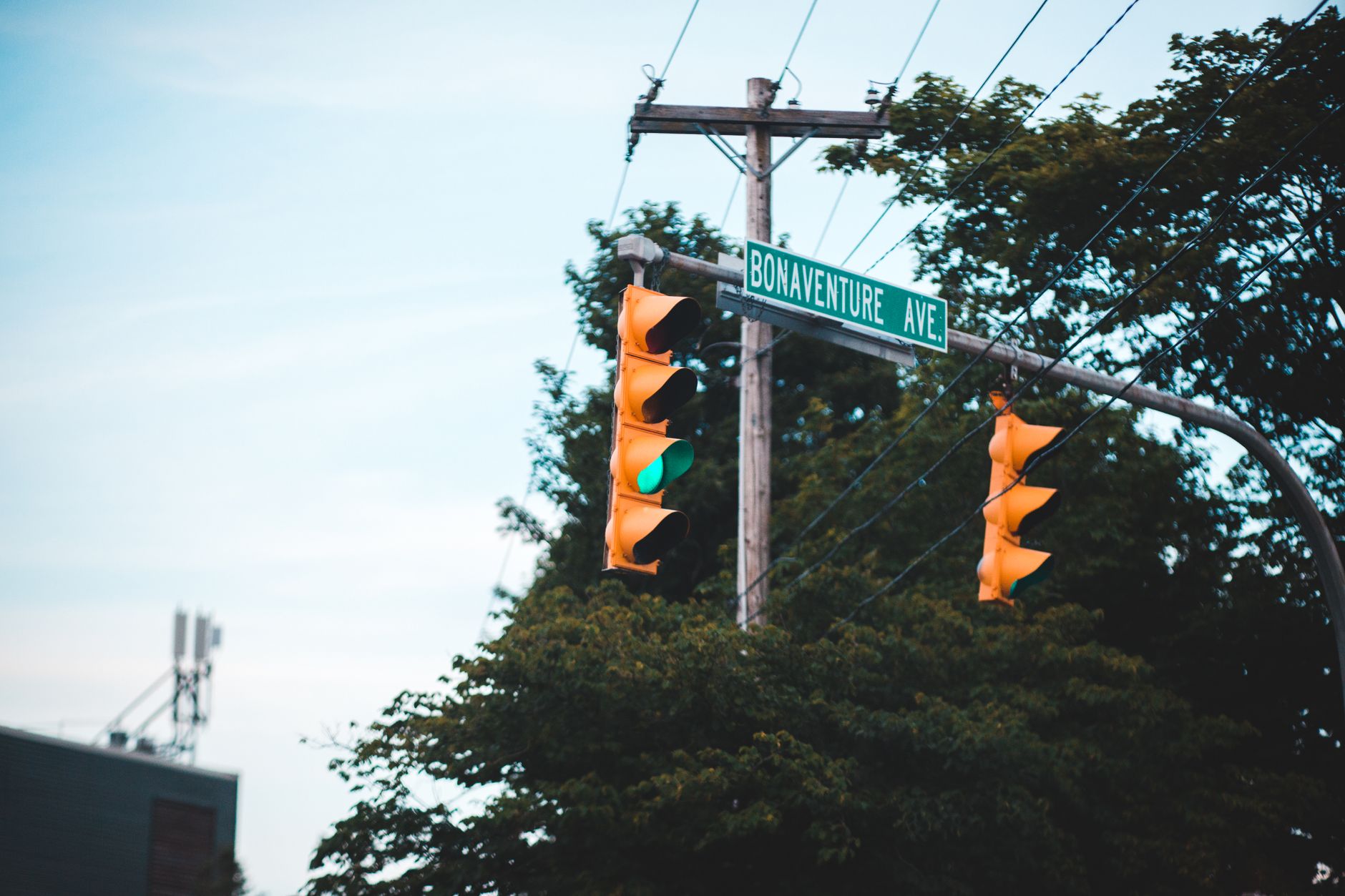
Understanding traffic signals is crucial for any traveler who plans to drive during their adventures. Among the common signals encountered, a yellow light holds significant meaning that can affect your safety on the road. This article provides a comprehensive overview of what a yellow light means, the driving laws associated with it, safety tips, and how it varies by region.
In many areas, a yellow light indicates that the light is about to change to red. It’s a warning to drivers to slow down and prepare to stop. However, the interpretation of this signal can vary depending on local laws and traffic conditions, making it essential for travelers to be informed.
What Does a Yellow Light Mean?
A yellow traffic light serves as a reminder to drivers that they need to take immediate action. Generally, it signifies that the signal is transitioning from green to red, signaling drivers to prepare to stop. However, the specific rules about responding to a yellow light can differ depending on the jurisdiction.
In many places, you should stop if it is safe to do so when a yellow light appears. If stopping would be dangerous or if you are too close to the intersection when the light changes, you may proceed through the intersection with caution. The focus should always be on safety and compliance with local traffic laws.
Understanding the Purpose of a Yellow Light
The yellow light is designed to enhance safety by preventing sudden stops and collisions at intersections. It provides a buffer zone where drivers can anticipate the change and either prepare to stop or safely proceed. This signal also helps manage traffic flow by reducing the likelihood of accidents caused by hasty stops or running a red light.
What Happens When You See a Yellow Light?
When approaching a yellow light, consider the following actions:
- If you are far enough from the intersection, slow down and prepare to stop.
- If you are close to the intersection and stopping might cause an accident, proceed through the intersection safely.
- Maintain awareness of other vehicles, especially those behind you that may also be approaching the light.
- Always be cautious of pedestrians and cyclists who may also be navigating the intersection.
Local Driving Laws Regarding Yellow Lights
Driving laws surrounding yellow lights can vary across regions and even within states. Here’s a breakdown of how different areas might interpret yellow lights:
United States
In the United States, a yellow light generally means you should stop unless it’s unsafe to do so. In some states, this rule is explicitly stated, while others rely on common sense and safe driving practices. Each state might have slight variations in regulations, so it’s wise to review local rules before driving.
Canada
In Canada, a yellow light serves a similar purpose as in the U.S. Typically, drivers are expected to prepare to stop when they see a yellow light. However, the rules can depend on the province, so travelers are encouraged to verify local traffic laws.
Europe
European countries often have their nuances regarding traffic lights. In many countries, such as Germany and France, a yellow light indicates that the light will soon be red, and drivers should stop accordingly. However, there might be some variances concerning how much time a yellow light remains illuminated.
Australia and New Zealand
In Australia and New Zealand, the yellow light serves a similar purpose. Drivers should stop when it is safe, but if they are already in the intersection when the yellow light appears, they can continue to proceed. This approach promotes road safety while allowing sensible traffic flow.
Safety Tips for Handling Yellow Lights
When navigating yellow lights, consider these safety tips to ensure smooth driving:
- Be observant: Pay attention to road signs and signals according to local driving conditions.
- Maintain a safe following distance: Keep enough space between your vehicle and the one in front to stop if necessary.
- Watch for pedestrians and cyclists: Always be ready to yield to pedestrians crossing the street.
- Avoid distractions: Stay focused on the road and refrain from using mobile devices while driving.
- Adjust your speed: Approach intersections at a speed where you can comfortably stop if needed.
The Consequences of Running a Yellow Light
While yellow lights serve as a warning, failing to adhere to them can have serious repercussions. In many places, running a yellow light can lead to traffic violations and fines. Here are some potential consequences:
- Fines: Depending on local traffic laws, running a yellow light could result in hefty fines.
- Accidents: Not obeying the signals can lead to collisions, putting your safety and others at risk.
- Point system: In some regions, traffic violations can lead to demerit points on your driving record, affecting your insurance premiums.
Common Scenarios Involving Yellow Lights
Here are some typical scenarios that drivers may encounter related to yellow lights:
1. Approaching an Intersection
When approaching an intersection with a yellow light, drivers need to assess their distance and speed. If they are near enough to safely make the stop, they should do so. If they’re too close, they may need to proceed carefully and check for oncoming traffic, ensuring they make it through safely.
2. Left Turns at Yellow Lights
Drivers turning left at a yellow light must exercise particular caution. If waiting at an intersection for a left turn and the light changes to yellow, they must assess if they can make the turn safely without blocking oncoming traffic.
3. School Zones
In areas with school zones, signage often signals that drivers should treat yellow lights with heightened caution. School zones typically have lower speed limits, and yellow lights can indicate the need to reduce speed as they may also indicate that children are present near the road.
International Driving Considerations
For travelers driving in foreign countries, understanding local traffic laws is essential. Here are some key tips:
- Research local traffic regulations: Before traveling to a new destination, review driving laws, including those related to yellow lights.
- Familiarize yourself with road signage: Signs and signals can vary widely; knowing what to expect can keep you safe.
- Consider car rental policies: Some rental companies provide helpful information about local driving norms.
Conclusion
Being aware of the meaning behind a yellow light can significantly enhance road safety, both for drivers and pedestrians. Always prioritize safety and compliance with local traffic laws, especially when traveling in unfamiliar areas.
As you plan your travel adventures, remember to explore regional driving regulations thoroughly. A good next step is to review driving guidelines specific to your destination and familiarize yourself with how to navigate local traffic signals.
For additional insights, check out our articles on What Does a Flashing Yellow Light Mean? and What Should You Do When You Approach a Flashing Red Light? for more on traffic signals and safety tips during your travels.