
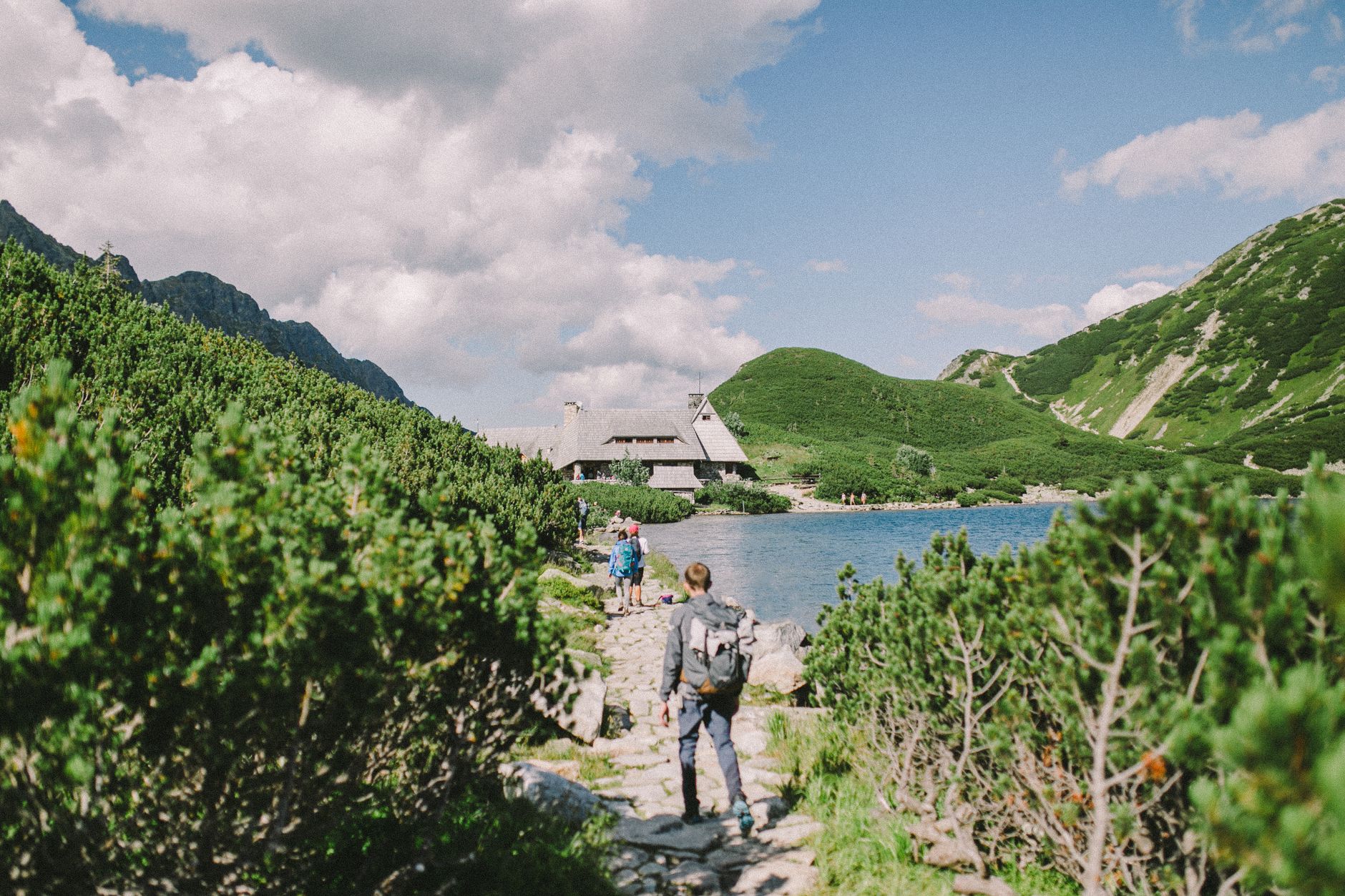
Backpacking is a unique travel style that combines adventure, exploration, and a deep connection to nature. It often involves carrying all your essentials in a backpack, allowing travelers to venture off the beaten path and experience regions that are less traveled. This method of travel offers an economical way to explore beautiful destinations, making it popular among young adults, budget-conscious travelers, and outdoor enthusiasts.
Whether trekking through national parks, exploring foreign cities, or traveling through remote areas, backpacking provides flexibility and freedom. It fosters a sense of adventure—engaging with local cultures, trying new foods, and meeting fellow travelers along the way. But what exactly does backpacking entail, and how can you plan the perfect backpacking trip? Let’s dive into the essentials of this liberating travel approach.
What Is Backpacking?
Backpacking refers to a type of travel that typically involves using a backpack to carry supplies for extended trips, often in nature. Unlike traditional travel, which may include booking hotels and guided tours, backpacking allows for a more spontaneous and immersive experience. Travelers often traverse various terrains, from rugged mountain paths to urban back alleys, embracing the unpredictability of the journey.
The main tenets of backpacking include self-sufficiency, budget-friendly choices, and a desire for exploration. This travel style is popular among individuals and groups looking for adventure, cultural experiences, and the chance to disconnect from urban life.
The Benefits of Backpacking
Backpacking offers a multitude of advantages that appeal to different travelers. Here are some of the key benefits:
- Cost-Effective: By opting for budget accommodations, cooking your meals, and relying on public transportation, backpacking can be one of the most economical ways to travel.
- Flexibility: Backpackers can choose their own routes, adjust their schedules, and stay longer in places they enjoy, allowing for a personalized travel experience.
- Connection with Nature: Many backpacking trips emphasize outdoor activities like hiking, camping, and exploring national parks, leading to a stronger appreciation of the natural world.
- Immense Cultural Exposure: Traveling on foot often leads to interactions with locals, leading to a deeper understanding of the areas you visit.
- Nurtures Independence: Backpacking encourages self-sufficiency, problem-solving, and adaptability, fostering personal growth.
- Community Building: Backpackers often gather in hostels or campsites, creating a sense of camaraderie and shared experiences.
Planning Your Backpacking Trip
Careful planning is essential for a successful backpacking trip. Below, we break down the key components to consider:
1. Choosing a Destination
The first step is selecting where you want to go. Think about the type of experience you’re seeking. Popular backpacking destinations include:
- National Parks: Parks like Yosemite, Yellowstone, and the Grand Canyon offer well-marked trails and stunning landscapes.
- Cultural Cities: Urban areas in Europe, such as Prague, Barcelona, and Berlin, provide a vibrant atmosphere and rich history.
- Backcountry Trails: For the adventurous, remote trails in regions like the Appalachian Mountains or the Pacific Crest Trail offer rugged exploration.
- International Locations: Southeast Asia, South America, and Eastern Europe are popular for their affordability and diverse experiences.
2. Determining Trip Length
Your trip length depends on availability, budget, and how far you want to travel. A weekend trip might be ideal for first-timers, while seasoned backpackers may undertake journeys lasting weeks or even months. Consider:
- The time you have available.
- The distance between destinations.
- Your experience level with camping and hiking.
- The complexity of your itinerary—too ambitious plans can lead to exhaustion!
3. Creating an Itinerary
Having a loose itinerary keeps you on track while giving you flexibility. Outline the following:
- Key locations you wish to visit.
- Time estimates for travel between locations.
- Ideas for activities at each stop.
- Pacing your trip—don’t jam-pack your days!
4. Budgeting
Budgeting is crucial when planning a backpacking trip. To estimate overall costs, consider:
- Transportation: Research options like buses, trains, or domestic flights.
- Accommodation: Look into hostels, guesthouses, or camping fees.
- Meals: Factor in cooking at campsites or eating in local restaurants.
- Activities: Account for entrance fees to attractions or guided tours.
Always add a buffer for unexpected costs.
5. Packing Essentials
What you pack can make or break your trip. Consider a checklist to help you stay organized:
- A sturdy backpack (40-70 liters is ideal).
- Clothing suitable for the climate and activities.
- Basic first-aid supplies.
- A portable cooking system (if you plan on cooking).
- Water filtration or purification system.
- Camping gear if staying outdoors (tent, sleeping bag, etc.).
- Navigation tools (maps, compass, GPS).
Packing light while ensuring you have essentials is the key to enjoying your journey.
Accommodation Options for Backpackers
Accommodation is a crucial part of the backpacking experience, with various options available based on budget and comfort level:
Hostels
Hostels are a backpacker’s go-to for affordable lodging. They provide dorm-style or private rooms and often have communal kitchen facilities. Hostels also offer opportunities to meet fellow travelers. Look for hostels with good reviews and social events to enhance your experience.
Camping
Camping is ideal for those who love nature. Research campsites in advance, especially in national parks, where spots can fill quickly. Ensure you have the necessary camping gear and check the local regulations regarding campfires and wildlife safety.
Guesthouses and Homestays
For a more local experience, consider guesthouses or homestays. These options allow you to immerse yourself in local culture and often include breakfast, providing insight into local cuisine.
Airbnb and Vacation Rentals
Renting a room or entire property can be a comfortable option for small groups or longer stays. Look for listings near transportation hubs or points of interest.
Transportation for Backpackers
Getting around while backpacking can vary significantly from destination to destination. Here’s an overview of common transportation options:
Public Transportation
Utilizing public transit is often the most budget-friendly choice. Research the local transit system to get around major cities and regions efficiently. Many cities have day passes for unlimited travel, which can save money.
Walking and Biking
Exploring on foot or by bike provides the best way to experience a place up close. Many cities have bike-sharing programs, allowing travelers to rent bikes for just a few hours.
Rideshares and Taxis
For those late nights or when you’re in a hurry, rideshare apps can help. While slightly pricier, they are generally safe and convenient. Local taxis can also be an alternative, but inquire about standard rates beforehand to avoid surcharges.
Long-Distance Travel
When moving across cities or countries, buses and trains are typically efficient options. Research options like Eurail for train travel in Europe or Southeast Asian bus networks offering overnight journeys. Book in advance to secure the best prices.
Best Times to Go Backpacking
The best time to backpack varies based on your destination. Here are some general guidelines:
Spring and Fall
These transitional seasons often feature milder weather and fewer crowds. Prices can also be lower, making it perfect for budget-conscious travelers.
Summer
While summer attracts tourists seeking warm weather, it also means higher costs and crowded attractions. If you choose to travel during this season, consider exploring off-peak locations.
Winter
Winter travel is ideal for skiing enthusiasts, but it can also draw travelers to stunning winter landscapes. Ensure that you pack appropriate gear for cold conditions.
Safety Considerations for Backpacking
While backpacking can be thrilling, ensuring your safety is paramount. Here are some essential tips:
- Keep your belongings secure—use a combination lock on your backpack and keep valuables close.
- Research local customs and laws to avoid misunderstandings.
- Stay aware of your surroundings, especially in crowded or unfamiliar areas.
- Always have a plan for emergencies—know the location of the nearest hospital and how to contact local authorities.
- Share your itinerary with a friend or family member for added safety.
Food and Drink While Backpacking
Exploring local cuisine is a significant part of the backpacking experience. Options include:
Cooking Your Meals
If you have cooking equipment, consider preparing your meals. Traveling with a portable stove or campfire supplies allows you to enjoy affordable meals and save money.
Street Food
Street vendors can provide some of the most delicious, local meals at budget-friendly prices. However, ensure that food is freshly prepared to minimize health risks.
Local Restaurants
When at a location longer than a few days, seek local eateries. Avoid tourist traps and ask locals for recommendations for authentic dining experiences.
Common Mistakes to Avoid
Learning from the mistakes of fellow travelers can save you hassle. Here are a few common missteps:
- Packing too much—stick to essentials to minimize weight.
- Neglecting rest—schedule downtime to recharge.
- Staying rigid—allow for spontaneity and unexpected adventures.
- Ignoring travel insurance—protect yourself against mishaps and emergencies.
Conclusion
Backpacking is a rewarding travel style that fosters adventure, exploration, and self-discovery. With careful planning and a flexible mindset, you can create a rewarding journey that resonates. Start your preparations by choosing your destination and considering what experiences you want to have. Engage with the world through backpacking—and embark on an adventure that expands your horizons.
For more information on travel planning, explore additional destination guides and resources like Is a Backpack a Personal Item? and How to Find Travel Inspiration.