
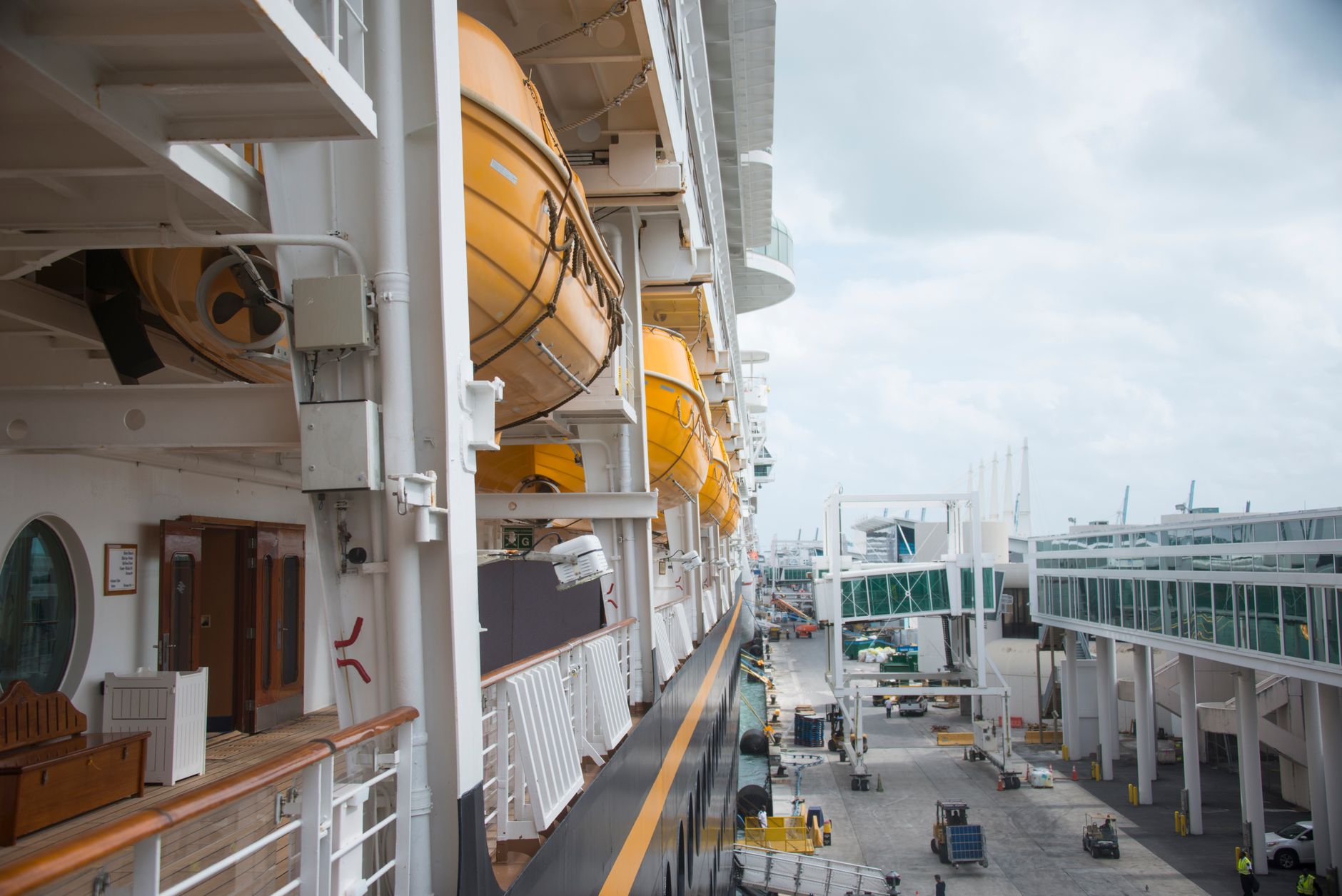
An embarkation port is a crucial starting point for travelers who plan to set sail on a cruise. This term refers to the specific harbor or docking point where passengers board the ship for their journey. Understanding the function and significance of embarkation ports can enhance the cruising experience by ensuring that everything runs smoothly from the outset.
In this article, we’ll explore what embarkation ports are, how they function, key considerations for travelers, and some popular embarkation ports around the world. This information will help ensure you are well-prepared for your next cruise adventure.
What Is an Embarkation Port?
Embarkation ports serve as the primary access point for passengers wishing to begin their cruise. These ports typically boast essential facilities for travelers including check-in counters, security, and customs procedures, making it seamless for guests to board their vessels. In essence, the embarkation port is the gateway to the open sea and the adventures that await.
Why Are Embarkation Ports Important?
Embarkation ports play a vital role in the overall cruise experience. They not only facilitate the boarding process but also set the tone for the journey ahead. A well-organized embarkation port will significantly enhance passengers’ comfort and ease during this transition from land to sea. Furthermore, the ambiance, accessibility, and amenities of the embarkation port can impact travelers’ initial impressions and overall satisfaction.
Preparation and Planning for Embarkation
Travelers should approach their embarkation port with careful planning to avoid any pitfalls. Here are key factors to consider:
Choosing the Right Embarkation Port
- Travel Convenience: Consider its proximity to your home, ease of transportation, and available flights.
- Amenities: A good embarkation port will often have restaurants, shops, and services to accommodate guests before boarding.
- Insurance and Regulations: Familiarize yourself with maritime laws as they apply to each port of embarkation.
Know the Check-In Process
- Arrive early to account for potential delays.
- Have your documents ready, including your cruise ticket, identification, and any necessary visas.
- Complete security screening and boarding procedures as advised by your cruise line.
Common Embarkation Ports Worldwide
Various cities act as popular embarkation ports, each offering unique attractions and conveniences. Here are some of the most well-known embarkation ports around the globe:
1. Miami, Florida, USA
Miami is one of the busiest embarkation ports in the world, serving as a hub for Caribbean cruises. Known for its vibrant nightlife and beautiful beaches, it offers plenty to explore before boarding.
2. Port Canaveral, Florida, USA
Located close to Orlando, Port Canaveral is a favorite embarkation point for families heading to Disney Cruise Line ships. The port is well-equipped with amenities and shuttle services to nearby attractions.
3. Barcelona, Spain
As a major European cruise hub, Barcelona combines rich cultural experiences with modern conveniences for travelers. Prior to departure, visitors can enjoy iconic sites like the Sagrada Familia and Park Güell.
4. Southampton, England
Home to several major cruise companies, Southampton offers a blend of historical significance and modern amenities. It’s well connected by public transport and accessible to attractions in London.
5. Sydney, Australia
Sydney’s Circular Quay is renowned for its picturesque harbor views and is a stunning starting point for South Pacific cruises. Travelers can take advantage of local tours before embarking on their journey.
Tips for a Smooth Embarkation Experience
Preparation is key to ensuring a hassle-free embarkation. Here are some practical tips:
- Arrive at least two to three hours prior to your scheduled departure.
- Check with your cruise line about specific embarkation requirements and luggage allowances.
- Wear comfortable clothing and shoes, as you may need to walk a good distance at the port.
- Keep valuable items and travel documents in a secure, easily accessible location.
What to Expect at the Port
Understanding the environment and facilities at an embarkation port can help set your expectations. Here’s what you can generally expect:
Check-In Process
The check-in process typically involves several steps, including:
- Meeting with the cruise line representatives for ticket validation.
- Submitting identification and document verification.
- Going through customs and security checks before boarding.
Amenities
Most embarkation ports are equipped with amenities such as:
- Restaurants and cafes, providing food and drink options.
- Shops selling cruise merchandise and essentials.
- Transportation services such as taxis and shuttle buses for local travel.
Post-Embarkation: What Happens After You Board?
Once you’re aboard, the cruise experience begins in earnest. Here’s what to anticipate:
Safety Drills
Before setting sail, all passengers are required to participate in a safety drill. This is crucial for ensuring the safety of everyone onboard.
Exploring the Ship
Take the time to familiarize yourself with the layout of the ship, including dining options, lounges, and recreational facilities. Knowing your way around can enhance your onboard experience.
First Day Activities
Most cruises schedule welcome events, such as introductory gatherings and dinner, to help passengers settle in. It’s a great opportunity to meet fellow travelers.
Understanding Embarkation Ports and Travel Regulations
Every embarkation port may have different regulations and guidelines for travelers. It’s vital to stay informed about:
Travel Regulations
Be aware of customs regulations governing items you can bring onboard, such as:
- Alcohol restrictions, which can vary by cruise line.
- Duty-free shopping options available at the port.
- Food and beverage policies that may apply during the sailing.
Health and Safety Guidelines
In light of recent global events, many cruise lines have instituted health protocols. Stay updated on:
- COVID-19 vaccination or testing requirements.
- Mask mandates within indoor common areas.
- Health screening procedures upon embarkation.
Contingency Plans for Delays
Despite careful planning, delays can happen. Here are practical steps to take in the event of unforeseen circumstances:
Travel Insurance
Consider purchasing travel insurance that covers trip cancellations and delays, providing peace of mind if issues arise.
Have a Backup Plan
Research alternative accommodations or activities in case your embarkation is delayed. This ensures that you’re not left stranded and instead can make the most out of the situation.
Conclusion
Embarkation ports are vital to the cruise experience, serving as your gateway to the adventures that lay ahead. By understanding their function, preparing accordingly, and staying informed about regulations and expectations, travelers can significantly enhance their cruising journey. To ensure a hassle-free embarkation experience, be proactive in planning your trip, know what to expect, and remain adaptable to changes that may occur.
For further travel planning, exploring embarkation points, or cruise guidelines, consider checking out articles covering the point of embarkation or age requirements for booking a cruise.