
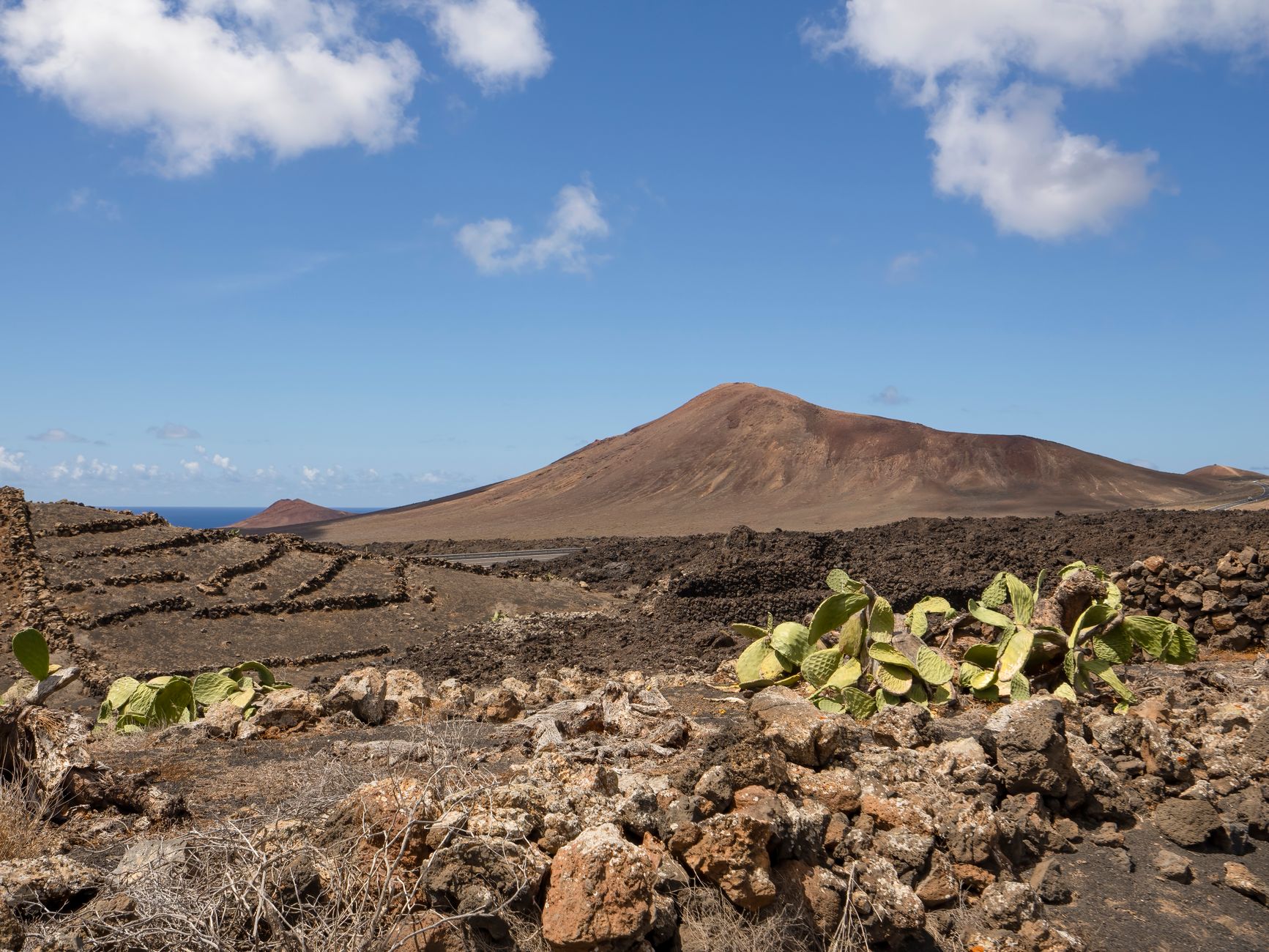
Iceland is an extraordinary island nation famed for its stunning natural landscapes, active geothermal activity, and rich culture. Travelers flock to this Nordic paradise to witness everything from glaciers and waterfalls to geysers and volcanic craters, alongside vibrant cities filled with history and art.
A trip to Iceland can be an adventure of a lifetime. Whether you’re interested in breathtaking outdoor experiences, unique cultural insights, or culinary explorations, Iceland offers a wealth of activities that satisfy a variety of interests. Let’s dive deeper into what makes Iceland a coveted destination for travelers.
What Is Iceland Known For?
Iceland is renowned for its dramatic scenery, including volcanoes, glaciers, geysers, and hot springs. The country is also famous for its rich Viking history, unique wildlife, and the magical experience of the Northern Lights. Additionally, Iceland’s capital, Reykjavik, is known for its vibrant arts scene and historical landmarks.
Breathtaking Natural Landscapes
Iceland’s natural scenery is nothing short of mesmerizing. The landscape is characterized by its geological diversity, featuring an array of natural wonders.
Glaciers and Ice Caps
Home to Europe’s largest glacier, Vatnajökull, Iceland offers magnificent sights of ice-covered mountains and expansive ice fields. Visitors can partake in guided glacier hikes or ice climbing adventures, allowing for an up-close view of this icy grandeur.
Geysers
The Great Geysir, from which the word “geyser” is derived, is located in the Golden Circle area. It is not the only geyser in the region; Strokkur erupts every few minutes, making it a spectacular attraction for visitors who want to witness this natural phenomenon in action.
Waterfalls
Iceland boasts numerous breathtaking waterfalls. Key highlights include:
- Gullfoss: Often referred to as the “Golden Falls,” this spectacular two-tiered waterfall is one of Iceland’s most iconic sites.
- Seljalandsfoss: This picturesque waterfall allows visitors to walk behind the cascading water for a unique perspective.
- Skaftafellsfoss: Surrounded by stunning glacier views, this waterfall is a must-see for nature lovers.
Volcanoes
Iceland’s unique location on the Mid-Atlantic Ridge has resulted in numerous active and dormant volcanoes. Visitors can explore sites like:
- Eyjafjallajökull: This volcano famously erupted in 2010, causing significant air travel disruptions across Europe.
- Hekla: Known as “the gateway to hell” in the Middle Ages, Hekla is one of Iceland’s most active volcanoes.
The Northern Lights
One of Iceland’s most enchanting features is the Northern Lights, or Aurora Borealis. This stunning natural light display can be seen during the winter months, dancing across the night sky in hues of green, purple, and pink. Popular viewing locations include:
- Þingvellir National Park: Its dark skies and beautiful landscapes provide a perfect backdrop for this celestial spectacle.
- Reykjavik: Areas just outside the city offer ample opportunity for viewing while still being close to urban amenities.
Cultural Richness
Iceland isn’t just about stunning landscapes; it also boasts a rich cultural heritage. From Norse mythology to contemporary art, Iceland’s culture is vibrant and diverse.
Viking Heritage
Iceland was settled by Norse explorers around 874 AD. Historical sites like the Saga Museum and the National Museum of Iceland provide insights into the Viking past and their influence on modern Icelandic culture.
Literature and Arts
Iceland has a rich literary tradition, with the Icelandic sagas being some of its most well-known contributions to the world of literature. Reykjavik is home to several galleries, theaters, and the famous Harpa Concert Hall, making it a hub for arts and culture.
Festivals
Iceland hosts numerous festivals celebrating arts, music, and cultural traditions. Some notable mentions include:
- Reykjavik Culture Night: This annual event showcases the city’s arts and culture through exhibitions, concerts, and performances.
- Þorrablót: A midwinter festival celebrating Icelandic heritage with traditional foods and drinks.
Culinary Delights
Icelandic cuisine is unique, combining fresh local ingredients with traditional cooking methods. While you’ll find modern eateries in Reykjavik, it’s important to try some authentic Icelandic dishes.
Traditional Dishes
Some iconic dishes to look for include:
- Hákarl: Fermented shark that boasts a unique flavor and is often paired with whisky.
- Skyr: This yogurt-like dairy product has been a staple in Iceland for centuries and is often enjoyed with fruit.
- Lamb Soup: A traditional, hearty dish often made with locally sourced lamb and vegetables.
Where to Eat
Reykjavik has a vibrant dining scene, featuring a range of cafes, restaurants, and food trucks. Some recommendations include:
- Grillmarkaðurinn: This popular spot features locally sourced ingredients and a cozy atmosphere.
- Bæjarins Beztu Pylsur: An iconic hot dog stand famous for its delicious street food.
Getting Around Iceland
One of the best ways to explore Iceland is by renting a car. This gives travelers the freedom to explore the scenic routes at their own pace. However, there are also public transportation options and guided tours available.
Car Rentals
Renting a car allows for flexibility and convenience, especially for day trips. Visitors should consider:
- Renting a 4×4 vehicle if planning to venture into the highlands or during the winter months.
- Understanding road conditions and regulations, particularly in rural areas.
Public Transport
While limited in rural areas, public buses connect major cities and regions. Routes operate regularly in Reykjavik and popular tourist destinations, making it easier for those who prefer not to drive.
When to Visit Iceland
The best time to visit Iceland depends on what you want to experience. Below is a seasonal breakdown to consider:
Winter (December to February)
Winter is perfect for those hoping to experience the Northern Lights and winter sports like snowmobiling and ice skating. However, days are very short, with limited daylight hours.
Spring (March to May)
Spring welcomes longer days and some ideal weather for hiking. Additionally, it’s a great time for birdwatching, as puffins return to the cliffs.
Summer (June to August)
Summer offers midnight sun, making it an excellent time for outdoor activities and road trips around the Ring Road. Expect warmer temperatures and a vibrant atmosphere in Reykjavik.
Autumn (September to November)
Fall presents a beautiful display of changing colors and still offers a chance to see the Northern Lights. This time of year tends to be less crowded, making it easier to explore popular sites.
Accommodations in Iceland
Iceland offers various accommodation options, from luxurious hotels to budget hostels. It’s crucial to book in advance, especially during the peak travel seasons.
Where to Stay in Reykjavik
Reykjavik is the main base for travelers and has a wide range of lodging options, such as:
- Luxury: The Reykjavik EDITION and Hotel Borg are known for their elegance and exceptional service.
- Mid-range: The CenterHotel Midgardur and Fosshotel Reykjavik offer comfortable stays with convenient locations.
- Budget: The Kex Hostel and Reykjavik Downtown HI Hostel are great choices for those on a budget.
Staying Outside of Reykjavik
For a more tranquil experience, consider staying in surrounding areas. Options may include:
- Selfoss: This quaint town offers easy access to the Golden Circle attractions.
- Vik: Ideal for those exploring the South Coast, with stunning views of black sand beaches.
Accessibility and Safety Considerations
Iceland is generally a safe destination for travelers, but it’s always wise to exercise caution. Here are some tips for ensuring a safe and enjoyable visit:
Accessibility
Many major attractions are accessible to individuals with mobility challenges, but some remote areas may present difficulties. If traveling with someone requiring assistance, communicate with tour operators in advance to accommodate specific needs.
Safety Tips
When exploring Iceland’s natural landscapes, keep the following safety tips in mind:
- Stay on marked trails and roads to prevent getting lost.
- Be cautious near water bodies, such as geysers and cliffs.
Budgeting for Your Iceland Trip
Iceland is considered one of the more expensive countries to visit in Europe. Here is a breakdown to help travelers plan their budgets:
Estimated Daily Costs
| Category | Estimated Daily Cost |
|---|---|
| Accommodation | $100 – $300 |
| Food | $50 – $150 |
| Activities | $30 – $100 |
| Transportation | $30 – $80 |
Travelers should consider cooking some meals using readily available groceries to save on food expenses.
Final Thoughts
Iceland is a land of wonders, where natural beauty and rich culture converge. It provides countless activities and experiences that can be adapted for any traveler’s preferences. Reserving sufficient time to explore both the famous sites and hidden gems will ensure a fulfilling experience.
As you begin planning your trip, be sure to check for updated travel guidelines and safety measures. Start by considering what experiences you want and shape your journey around them. Whether it’s marveling at geysers, savoring traditional dishes, or catching the Northern Lights, Iceland promises an adventure that’s truly unforgettable.
Explore related destination guides and travel-planning articles to enhance your trip: best places to see the Northern Lights and things to do in Victoria, BC.