
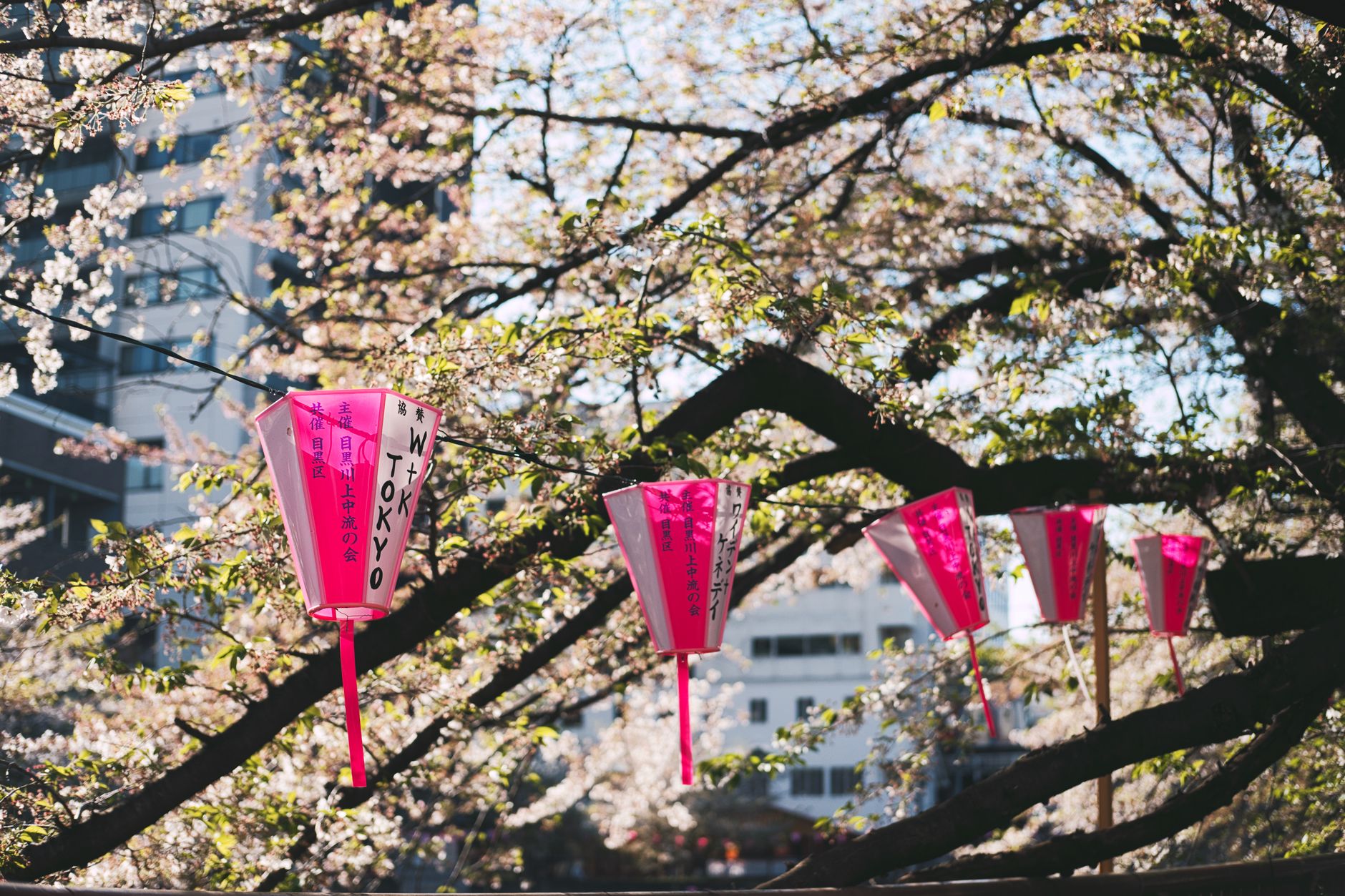
Japan, a land of fascinating contrasts, is famous for its rich culture, historic landmarks, technological advancements, and delicious cuisine. Travelers flock to this unique island nation to experience everything from ancient temples to bustling cities and serene countryside. Understanding what Japan is renowned for can help you craft the perfect itinerary tailored to your interests.
In this guide, we will explore the highlights of Japan, from its iconic blend of tradition and modernity to practical travel tips, must-see attractions, and experiences that capture the spirit of this extraordinary country.
What Is Japan Famous For?
Japan is famous for its stunning landscapes, rich history, cutting-edge technology, exquisite cuisine, and profound cultural experiences. The country is known for its ancient shrines and temples, vibrant festivals, unique fashion, and advanced technology. From cherry blossoms to sumo wrestling, Japan offers an array of attractions that appeal to every type of traveler.
Major Attractions and Experiences
Travelers will find numerous iconic sites across Japan, each offering a unique glimpse into the country’s heritage and contemporary life. Here are some of the must-visit destinations:
- Tokyo: The capital city is a bustling metropolis that seamlessly blends traditional culture with modern living. Explore the historic Asakusa district, visit the Meiji Shrine, and experience the shopping hubs of Shibuya and Shinjuku.
- Kyoto: Known for its ancient temples and traditional wooden houses, Kyoto is the heart of Japanese culture. Must-sees include Kinkaku-ji (the Golden Pavilion), Fushimi Inari Shrine, and the historic Gion district, where geishas can still be seen.
- Mount Fuji: Japan’s iconic peak is a symbol of natural beauty and offers opportunities for hiking and photography. The Fuji Five Lakes area is popular for stunning views and outdoor activities.
- Osaka: This vibrant city is famous for its culinary scene, home to street food delights like takoyaki and okonomiyaki. Don’t miss Osaka Castle and Universal Studios Japan.
- Hiroshima: A city with a deep historical significance, Hiroshima is known for the Peace Memorial Park and Museum, which commemorate the victims of the atomic bomb. A ferry ride to nearby Miyajima Island to see the iconic floating torii gate is also recommended.
Cultural Experiences
Japan’s culture is deeply rooted in traditions that continue to thrive today. Here are some cultural experiences not to be missed:
- Tea Ceremony: Experience the traditional Japanese tea ceremony, known as chanoyu, which emphasizes harmony, respect, purity, and tranquility.
- Sumo Wrestling: Witness a sumo wrestling match, the national sport of Japan, and enjoy the rich rituals that accompany this ancient practice.
- Festivals: Participate in one of Japan’s famous festivals, such as the Gion Matsuri in Kyoto or the Nebuta Matsuri in Aomori, to see vibrant parades and traditional performances.
- Kimono Experience: Rent a kimono and stroll through historic neighborhoods, immersing yourself in the elegance of traditional Japanese attire.
Local Cuisine
Japan is renowned for its delicious and diverse cuisine that varies greatly by region. Here are some culinary highlights:
- Sushi: Perhaps the most iconic dish, sushi is made with vinegared rice, fresh seafood, and vegetables. Visit a sushi bar for an authentic experience.
- Ramen: This noodle soup comes in various styles depending on the region, each with distinct flavors and toppings. Don’t miss trying tonkotsu ramen in Fukuoka or shoyu ramen in Tokyo.
- Tempura: Lightly battered and fried vegetables and seafood make for a delicious meal. Pair it with a dipping sauce to enhance the flavors.
- Okonomiyaki: A savory pancake filled with various ingredients, okonomiyaki is particularly popular in Osaka and Hiroshima.
- Sake: Learn about this traditional Japanese rice wine by visiting local breweries or experiencing a sake tasting.
Popular Destinations
Japan has many cities and regions, each with its own appeal. Here’s a breakdown of some popular destinations and what to expect:
Tokyo
As one of the world’s most populous cities, Tokyo is packed with activities and attractions. Recommended neighborhoods include:
- Shibuya: Known for the famous Shibuya Crossing and vibrant youth culture.
- Shinjuku: A bustling district with skyscrapers, nightlife, and the beautiful Shinjuku Gyoen National Garden.
- Asakusa: Home to the historic Senso-ji Temple and traditional shopping street, Nakamise-dori.
Kyoto
Kyoto is a treasure trove of cultural heritage. Important landmarks include:
- Kinkaku-ji: The stunning Golden Pavilion surrounded by beautiful gardens.
- Fushimi Inari Taisha: Famous for its thousands of vermilion torii gates leading up the mountain.
- Kiyomizu-dera: A historic temple offering breathtaking views of the city.
Osaka
Osaka is not just about food; it offers a mix of modern attractions and historical sites:
- Osaka Castle: A historic landmark surrounded by beautiful parks.
- Universal Studios Japan: A popular theme park full of attractions based on famous movies.
- Dotonbori: A lively entertainment district known for neon lights and street food.
Hiroshima and Miyajima
The combination of Hiroshima’s historical significance and Miyajima’s natural beauty is compelling:
- Hiroshima Peace Memorial Park: A solemn tribute to the victims of the atomic bomb.
- Miyajima Island: Famous for the floating torii gate of Itsukushima Shrine.
Transportation in Japan
Getting around in Japan is efficient and convenient, thanks to its advanced public transportation system. Here are key points travelers should know:
Public Transport
- Trains: The Shinkansen (bullet train) connects major cities and is renowned for its speed and punctuality. Booking tickets in advance is recommended during busy seasons.
- Subways and Buses: Cities like Tokyo and Osaka have extensive subway systems. Consider a prepaid Suica or Pasmo card for convenient travel.
- Taxis: While taxis are available, they can be expensive, especially in cities. Use public transport whenever possible to save money.
Traveling Between Cities
For intercity travel, the Japan Rail Pass can be a cost-effective option for visitors intending to travel extensively by train. Planning and purchasing the pass before arriving in Japan is often the best approach.
Accommodation Options
Japan offers a wide range of accommodations, from traditional ryokan inns to modern hotels. Here are some options to consider:
- Hotels: Major cities have numerous international and domestic hotel chains, ranging from luxury to budget.
- Ryokans: These traditional inns provide an immersive cultural experience, often featuring tatami mat floors, futon bedding, and kaiseki meals.
- Hostels: Budget-friendly hostels and guesthouses are widely available, particularly in urban areas.
Seasonal Travel Considerations
Japan experiences four distinct seasons, making it an attractive destination year-round. Here’s what to expect during each season:
Spring (March to May)
Spring is synonymous with cherry blossoms. Hanami (flower viewing) is a popular activity, especially in April when the sakura trees are in full bloom. This is also a peak tourism season, so expect larger crowds.
Summer (June to August)
Summer can be hot and humid, particularly in cities. However, it is also a time for many vibrant festivals and events, with fireworks (hanabi) shows across the country. Consider heading to mountainous regions for cooler weather.
Autumn (September to November)
Autumn offers comfortable weather and stunning foliage, particularly in places like Kyoto and Nikko. This season is popular for traveling, so plan accommodations ahead of time.
Winter (December to February)
Winter can be quite cold, especially in northern areas, but it’s also a fantastic time for skiing and enjoying hot springs (onsen). Christmas is celebrated in major cities, with beautiful illuminations enhancing the holiday atmosphere.
Budget Considerations
Japan is known to be a relatively expensive destination, but there are ways to manage your budget effectively:
- Food: You can find delicious meals for all budgets, from convenience store bento boxes to upscale dining. Street food is also a great option for budget travelers.
- Attractions: While some attractions have entrance fees, many temples and parks are free to enter. Researching costs in advance can help you plan accordingly.
- Transportation: Using public transportation is economical. Consider a Japan Rail Pass if you plan to travel extensively between cities.
- Accommodation: While luxury hotels can be pricey, look for guesthouses or ryokan for a more affordable experience.
Packing Tips
Packing for Japan can vary based on the season and activities you plan to engage in. Here are some essentials to consider:
- Appropriate Clothing: Layered clothing is essential for spring and autumn, while lightweight fabrics are ideal for summer. Winter travelers should pack warm clothing and a good coat.
- Comfortable Shoes: As you will likely do a lot of walking, comfortable shoes are a must.
- Adapters and Chargers: Japan uses Type A and Type B plugs. Bring necessary adapters for your electronics.
- Travel Guide and Phrasebook: While many Japanese people speak some English, having a guidebook and basic phrases can be very helpful.
Responsible Travel Practices
Being a responsible traveler in Japan is important to respect the culture and environment:
- Follow local customs, such as removing shoes at homes and traditional accommodations.
- Minimize waste and use reusable items like water bottles or shopping bags.
- Be respectful at temples and shrines – maintain silence and refrain from touching sacred objects.
In sum, Japan is a destination that offers travelers an unforgettable blend of the ancient and contemporary. Whether you’re drawn to its beautiful landscapes, delicious food, or rich traditions, planning your trip around these highlights can ensure an enriching experience.
For further insights into Japan, check out our guides on what Japan is known for and practical tips on how long a flight to Japan takes.