
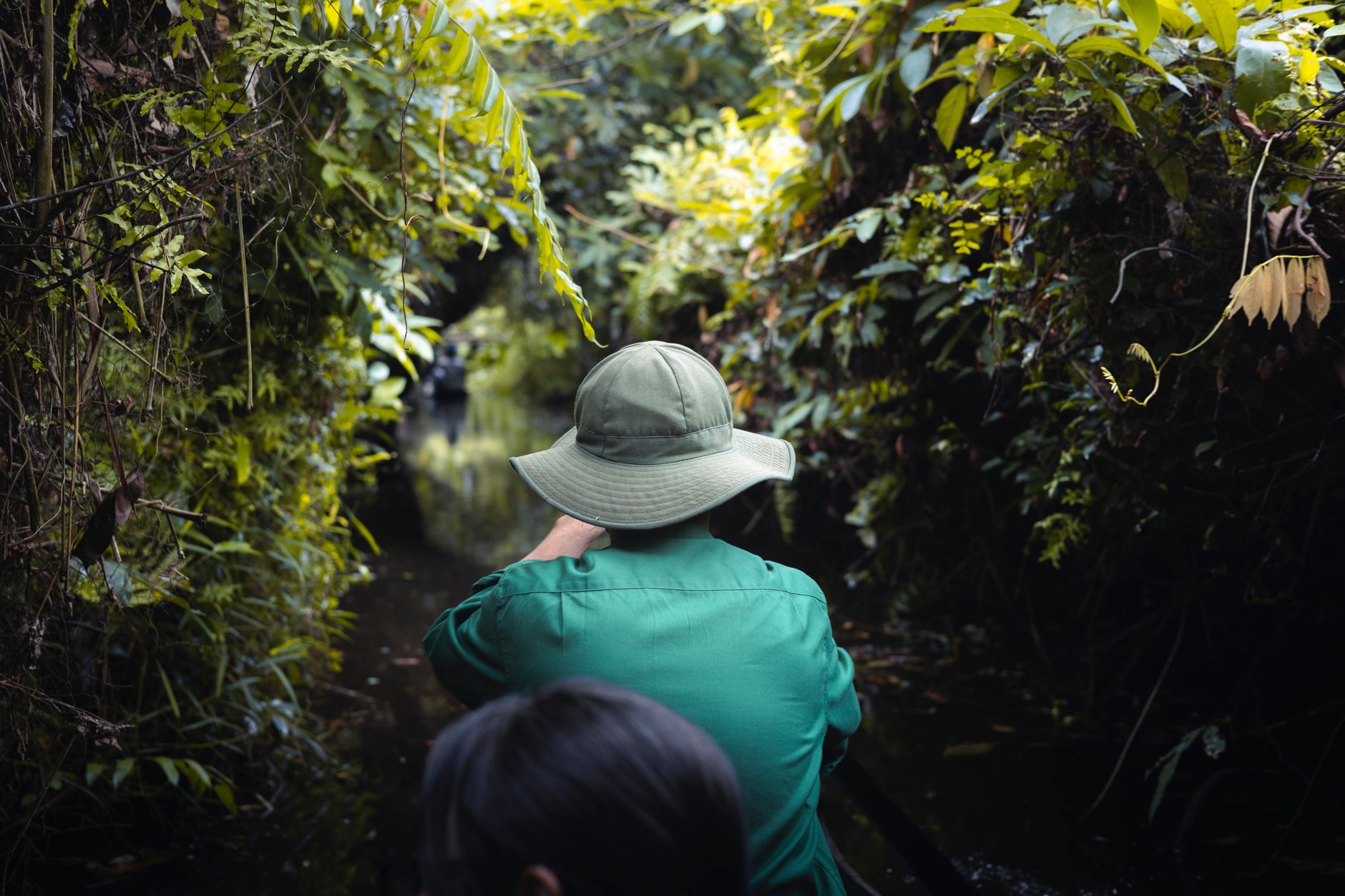
Located at the crossroads of North and South America, Panama is a vibrant country known for its rich culture, breathtaking landscapes, and a multitude of attractions. Whether you’re an adventure seeker, a history buff, or simply looking to relax on pristine beaches, Panama offers an array of experiences. This guide will help you understand what Panama is known for and how to make the most of your visit.
From its iconic canal to lush rainforests, Panama is a destination that surprises and delights travelers. It is also home to diverse wildlife, indigenous communities, and a burgeoning culinary scene. Read on to discover the highlights and practical tips for planning your trip to this Central American gem.
What Is Panama Known For?
Panama is widely recognized for the Panama Canal, a marvel of engineering that drastically changed global trade routes. Additionally, it’s celebrated for its rich biodiversity, cultural heritage, stunning beaches, and bustling cities. The combination of these elements makes Panama a unique destination for varied travelers.
Exploring the Panama Canal
The Panama Canal is the most famous landmark in the country and remains its most significant attraction. Connecting the Atlantic and Pacific Oceans, this 48-mile waterway is an engineering feat that revolutionized maritime trade.
- Miraflores Locks: A must-visit point for travelers to learn about the canal’s history and operation. The visitor center offers an informative museum and viewing platforms to watch ships transit.
- Gatun Lake: Located at the canal’s midpoint, it provides opportunities for boat tours where you can see wildlife, including monkeys and birds, in their natural habitat.
- Canal Tours: Several companies offer partial and full transit tours of the canal, allowing travelers to experience its beauty firsthand.
Cultural Richness in Panama City
Panama City, the capital, boasts a mix of modern skyscrapers and historical sites, showcasing the country’s vibrant culture. The city’s historic district, Casco Viejo, is a UNESCO World Heritage site filled with colonial architecture, quaint streets, and lively plazas.
- Casco Viejo: Explore the historical buildings, such as the Metropolitan Cathedral and the National Theatre. Numerous cafes and shops line the streets, perfect for leisurely strolls.
- Amador Causeway: This scenic road offers beautiful views of the city skyline and the Pacific entrance to the canal. It’s a great spot for walking, cycling, or dining with a waterfront view.
- Biomuseo: Designed by the renowned architect Frank Gehry, this museum educates visitors about Panama’s biodiversity and its importance to the world.
Natural Wonders and Outdoor Activities
Panama is not only urban; it also features stunning natural landscapes. The country’s biodiversity is one of its main attractions, with numerous national parks and protected areas.
National Parks and Wildlife
- Coiba National Park: A UNESCO World Heritage site, Coiba is an island paradise ideal for diving and snorkeling, with incredible marine life and untouched nature.
- Darien National Park: Rich in wildlife and indigenous cultures, a visit here offers hiking opportunities and a chance to learn about the Embera and Wounaan communities.
- Chiriquí Highlands: Famous for hiking, birdwatching, and the renowned Boquete coffee, this mountainous region is perfect for eco-tourists looking to explore cloud forests and coffee plantations.
Beaches Galore
If you’re in search of beautiful beaches, Panama offers countless options, each with its own charm.
- San Blas Islands: Home to the indigenous Guna people, these islands are known for their stunning blue waters and white sandy beaches, making them a perfect getaway.
- Bocas del Toro: A tropical paradise famous for its vibrant nightlife, clear waters for snorkeling, and surfing on the beaches of Playa Bluff.
- Punta Chame: Offers fantastic beach activities and is a hub for kite surfing, drawing sports enthusiasts from around the world.
Indigenous Cultures of Panama
One of the most enriching experiences in Panama is engaging with its indigenous communities, who have preserved their traditions and customs despite modern influences. These groups reflect Panama’s cultural diversity and history.
- Embera and Wounaan Tribes: Visiting these communities in the Darién region allows travelers to learn about their crafts, music, and way of life, including traditional canoe rides on rivers.
- Guna Yala (San Blas): The Guna people maintain their unique customs, visible in their traditional attire and vibrant arts, especially in the handmade molas.
- Ngäbe-Buglé: This group is known for its colorful handicrafts, especially woven items. Visitors can purchase locally made products to support their economy.
Gastronomy in Panama
Panama’s culinary scene is a reflection of its diverse cultures and influences, combining elements from indigenous, African, and Spanish cuisines. Seafood is a staple, given the country’s coastal location.
- Traditional Dishes: Sample dishes like sancocho (chicken soup), tamales, and patacones (fried green plantains). Don’t miss tasting ceviche, which is especially popular along the coast.
- Coffee Culture: The highlands of Chiriquí produce some of the world’s best coffee. Visiting a coffee farm for a tour and tasting is a popular activity.
- Food Markets: Explore markets like Mercado de Mariscos in Panama City for fresh seafood and local specialties. It’s a great place to immerse yourself in the local food scene.
Transportation Around Panama
Getting around Panama is generally straightforward, thanks to various transportation options available. Here are the most common ways to navigate the country:
- Public Buses: Known as “diablos rojos,” these brightly painted buses are a budget-friendly way to explore cities and regions, though they may be crowded.
- Domestic Flights: For longer distances or reaching remote destinations, consider local airlines that operate flights to various regions, including Bocas del Toro and David.
- Rental Cars: Renting a car gives travelers the freedom to explore at their own pace, particularly in destinations like the Azuero Peninsula and the Chiriquí Highlands.
- Taxi and Rideshares: In cities, taxis are readily available. Rideshare apps like Uber also function in Panama City, providing a convenient option for visitors.
Where to Stay in Panama
Your choice of accommodation can greatly enhance your experience in Panama. From luxury hotels to budget hostels, there is something for every traveler. Here are some recommended areas:
- Panama City: This urban hub offers a variety of hotels, from luxury brands like the Hilton and Marriot to boutique hotels in Casco Viejo, ideal for those wanting to explore the city’s history.
- Bocas del Toro: Here you’ll find eco-lodges and hostels that cater to budget travelers and offer beautiful views of the Caribbean.
- Boquete: A great place for nature lovers, offering cozy lodges and coffee farm stays, allowing you to immerse yourself in the lush countryside.
When to Visit Panama
Timing your visit can influence your experience. Panama has a tropical climate, which means it is generally warm and humid throughout the year. Here’s what to consider:
- Dry Season (December to April): This is the best time to visit, with less rain and more outdoor activities available. Expect higher tourist numbers in popular destinations during this season.
- Green Season (May to November): This period is characterized by rainfall, particularly in the afternoons, but it can also offer lower prices and less crowded attractions. It’s an ideal time for nature enthusiasts.
Budget Considerations for Your Trip
Travel budgets can vary widely based on your preferences. Here’s a breakdown to help you plan effectively:
- Accommodations: Budget hotels and hostels can range from $15 to $50 per night, while mid-range hotels typically cost $75 to $150.
- Food: Local dining options offer meals starting from $3 in casual eateries, while higher-end restaurants may charge $25 or more for a meal.
- Activities: Many natural attractions are free or have a small entrance fee, but organized tours (like canal tours) can range from $50 to $100.
Safety Considerations While Traveling in Panama
Travel safety is fundamental for all visitors. Panama is generally safe, especially in tourist areas, but consider the following precautions:
- Local Advice: Stay informed about areas to avoid, particularly after dark. Consult your hotel or local guides for the latest advice.
- Health Precautions: Ensure you have travel insurance and are up to date with any recommended vaccinations. Hydrate regularly given the humid weather, and use mosquito repellent in rainforest areas.
- Monitoring Belongings: Like many tourist destinations, petty crimes can occur. Keep your belongings secure and be vigilant in crowded areas.
Suggested Itinerary for First-Time Visitors
If you have limited time in Panama, here’s a sample itinerary to help you make the most of your visit:
- Day 1: Arrival in Panama City – Visit the Panama Canal at Miraflores Locks and explore Casco Viejo.
- Day 2: Day trip to Embera Village – Experience indigenous culture, including a canoe ride and traditional lunch.
- Day 3: Travel to Bocas del Toro – Relax on the beach, go snorkeling, or explore the archipelago.
- Day 4: Return to Panama City via a domestic flight – Last-minute shopping at Albrook Mall.
- Day 5: Departure – Consider visiting the Biomuseo for a final cultural experience.
Panama is a diverse and fascinating destination that offers something for every traveler. With its unique blend of cultures, natural beauty, and historical landmarks, it captivates all who wander through its lands. Consider exploring various regions, indulging in local cuisine, and engaging with its rich history.
As you plan your visit, be sure to check local guidelines and conditions for travel to ensure a safe and enjoyable experience. For further reading, check out the following related guides: What Is Guatemala Known For and What Is Panama Known For.