
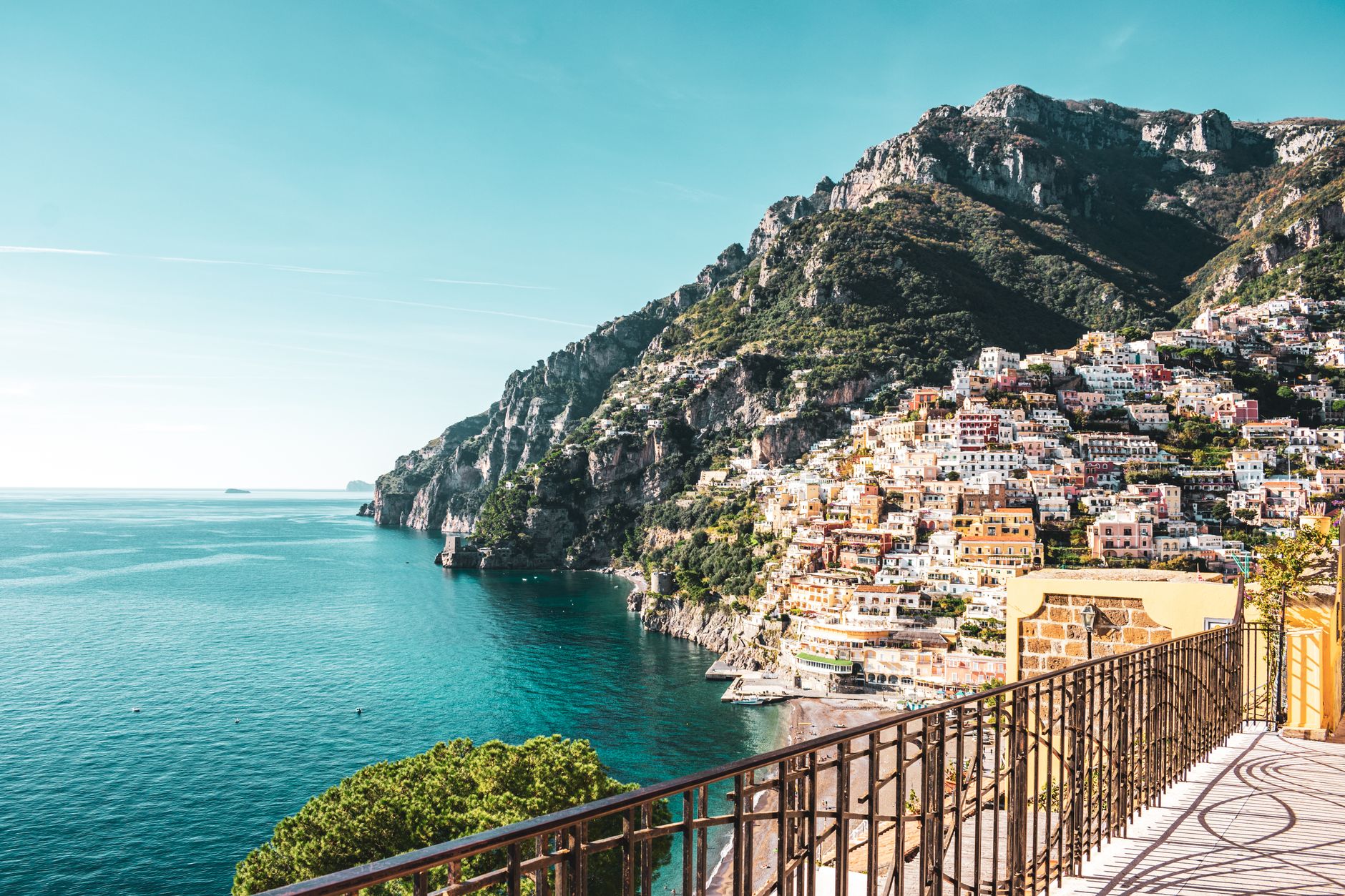
Home to stunning scenery, rich historical heritage, and vibrant culture, Portugal has carved out a unique identity that attracts millions of visitors every year. The country, located at the southwestern tip of Europe, is known for its beautiful coastline, delectable cuisine, impressive architecture, and welcoming locals.
From the bustling streets of Lisbon to the tranquil villages of the Douro Valley, what is Portugal known for can vary significantly depending on where you go. This guide will highlight the key attractions, experiences, and cultural treasures that define this remarkable country.
What Is Portugal Known For?
Portugal is known for its rich cultural heritage, stunning landscapes, delicious cuisine, and historical significance. Visitors flock to experience its beautiful cities, picturesque coastal towns, wine production, and unique traditions that reflect the country’s vibrant history and diverse influences.
Cultural Heritage and Historical Significance
Portugal has a storied past that dates back to prehistoric times. From ancient Roman ruins to the impressive castles of the medieval period, history enthusiasts will find much to explore.
Lisbon: The Birthplace of Fado
Lisbon, the capital city, is famous for its soulful music genre called Fado. This melancholy style often features themes of longing and nostalgia, encapsulating the “saudade” spirit that permeates Portuguese culture. Visitors can experience live Fado performances in various neighborhoods, particularly in Alfama, where the tradition is deeply rooted.
Architecture: A Blend of Styles
Portugal showcases an eclectic mix of architectural styles, from Gothic cathedrals to Manueline structures. Key landmarks include:
- **Tower of Belém** (Lisbon): An iconic structure symbolizing Portugal’s Age of Discoveries.
- **São Jorge Castle** (Lisbon): Offers panoramic views of the city and a glimpse into the past.
- **Porto’s Livraria Lello**: One of the most beautiful bookstores in the world, boasting stunning neo-Gothic architecture.
- **Batalha Monastery**: A UNESCO World Heritage Site representing late Gothic architecture.
UNESCO World Heritage Sites
Portugal is home to numerous UNESCO World Heritage Sites, highlighting its historical significance. Notable sites include:
- **The Monastery of Alcobaça**: Renowned for its remarkable architecture.
- **The Historic Centre of Oporto**: Recognized for its unique urban landscape.
- **The Cultural Landscape of Sintra**: A picturesque area with palaces and gardens.
Gastronomy: A Culinary Adventure
Portugal’s cuisine reflects its geographical diversity and rich maritime history. Seafood plays a significant role, given the country’s coastline, but there’s much more to discover.
Seafood Delights
Fresh fish, particularly sardines, is integral to Portuguese cuisine. Try:
- **Bacalhau à Brás**: Shredded cod with onions, potatoes, and eggs.
- **Sardinhas assadas**: Grilled sardines, often served during festivals.
Traditional Dishes
Don’t miss trying:
- **Caldo Verde**: A comforting kale soup, often enjoyed with cornbread.
- **Francesinha**: A sandwich from Porto filled with meats and covered in a rich tomato sauce.
- **Pastéis de Nata**: Iconic custard tarts, best enjoyed fresh from the oven.
Wines of Portugal
Portugal is famous for its wine production, especially Port wine and Vinho Verde. The Douro Valley is renowned for its terraced vineyards and scenic views. Wine enthusiasts can engage in tastings and vineyard tours in various wine regions, including:
- **Douro Valley**: Known for its Port wines and breathtaking landscapes.
- **Alentejo**: Offers a variety of red and white wines in a picturesque countryside setting.
Stunning Nature and Landscapes
Portugal boasts diverse landscapes offering outdoor activities and stunning views for nature lovers.
Coastal Beauty
The Algarve region is famous for its dramatic cliffs, golden beaches, and hidden coves. Popular activities include:
- **Surfing**: The beaches of Ericeira and Nazaré are renowned surf spots.
- **Hiking**: Trails along the Rota Vicentina provide breathtaking coastal views.
Mountains and Parks
For those who enjoy exploring mountains, don’t miss:
- **Serra da Estrela**: The highest mountain range in mainland Portugal, offering hiking and winter sports.
- **Peneda-Gerês National Park**: A stunning area featuring waterfalls, wildlife, and rich biodiversity.
Unique Traditions and Festivals
Portugal celebrates numerous traditional festivities that showcase its culture. Here are a few noteworthy events:
Popular Festivals
- **Festa de São João** (Porto): Held in June, it’s marked with music, fireworks, and the iconic practice of hitting each other with plastic hammers.
- **Carnaval**: Celebrated across the country, particularly in Madeira and the Algarve, filled with vibrant parades and costumes.
Local Markets and Shopping
Visiting local markets is a great way to experience everyday Portuguese life. Notable markets include:
- **Mercado da Ribeira** (Lisbon): A hotspot for food lovers where local dishes are served in a lively atmosphere.
- **Bolhão Market** (Porto): Known for its fresh produce, flowers, and traditional products.
Transportation in Portugal
Getting around Portugal is straightforward, with various transportation options available to travelers.
By Air
Portugal has several international airports, with Lisbon, Porto, and Faro offering numerous flights. Domestic flights connect major cities and islands.
By Train
The train system is efficient and scenic, especially on routes along the coast. Notable train services include:
- **Alfa Pendular**: A high-speed service connecting Lisbon to Porto.
- **Comboios de Portugal**: Offers regional services to various towns and cities.
By Bus and Tram
Long-distance buses connect most towns and cities, often at a lower cost than trains. Trams are ideal for navigating Portuguese cities, with notable lines in:
- **Lisbon**: Tram 28 offers a tourist-friendly ride through alfresco neighborhoods.
- **Porto**: The classic tram line from the city center to the coast is both scenic and enjoyable.
The Good Old Car
Renting a car provides the flexibility to explore Portugal’s hidden gems, especially in rural areas. However, be prepared for narrow roads in mountainous regions. Always check local parking regulations.
When to Visit Portugal
The best time to visit Portugal largely depends on your preferences. Generally, spring (March to May) and fall (September to October) are ideal for pleasant weather and fewer crowds.
Seasonal Breakdown
- **Spring**: Blooms and festivals, mild temperatures, fewer tourists.
- **Summer**: Warm weather, beach activities, bustling cities, but higher prices.
- **Fall**: Harvest season, excellent for wine tours, comfortable weather.
- **Winter**: Mild in the south, quiet, ideal for cultural exploration—check for holiday festivals.
Accommodation Options
Portugal offers diverse accommodation choices that cater to various budgets and preferences. Popular options include:
Hotels and Guesthouses
In cities, visitors will find everything from luxury hotels to charming guesthouses. Consider areas like:
- **Lisbon**: Choose difficulty, from upscale neighborhoods like Chiado to the trendy Bairro Alto.
- **Porto**: Ribeira offers picturesque river views, while Cedofeita provides a more local vibe.
Hostels and Budget Stays
If you’re traveling on a budget, hostels are abundant, particularly in major cities. Look for:
- **Lisbon**: Options are available in popular areas like Alfama and Cais do Sodré.
- **Porto**: Check for budget-friendly hostels near the historic city center.
Apartments and Rentals
For a home-like experience, consider renting an apartment through platforms like Airbnb or Vrbo. This is especially appealing for families or groups.
Practical Tips for Traveling in Portugal
Here are some essential tips to enhance your trip to Portugal.
Language
Portuguese is the official language, but many people in tourist areas understand and speak English. Learning a few basic phrases can enhance your experience.
Currency and Payments
The currency used is the Euro (€). While credit cards are widely accepted, carrying cash is advisable, particularly for small purchases or in rural areas.
Safety and Health
Portugal is considered a safe destination for travelers. Standard precautions apply, like safeguarding your belongings. Healthcare is accessible, but securing travel insurance is recommended. Always have updated health information before traveling.
Conclusion
Portugal offers an irresistible combination of cultural richness, culinary delights, and stunning landscapes that provide a unique travel experience. With this guide, you’re equipped to uncover what Portugal is known for, ensuring a memorable adventure in this beautiful country.
For further travel preparation, explore our guides on where to stay in Lisbon or check out what else Portugal is known for to enhance your trip planning.