
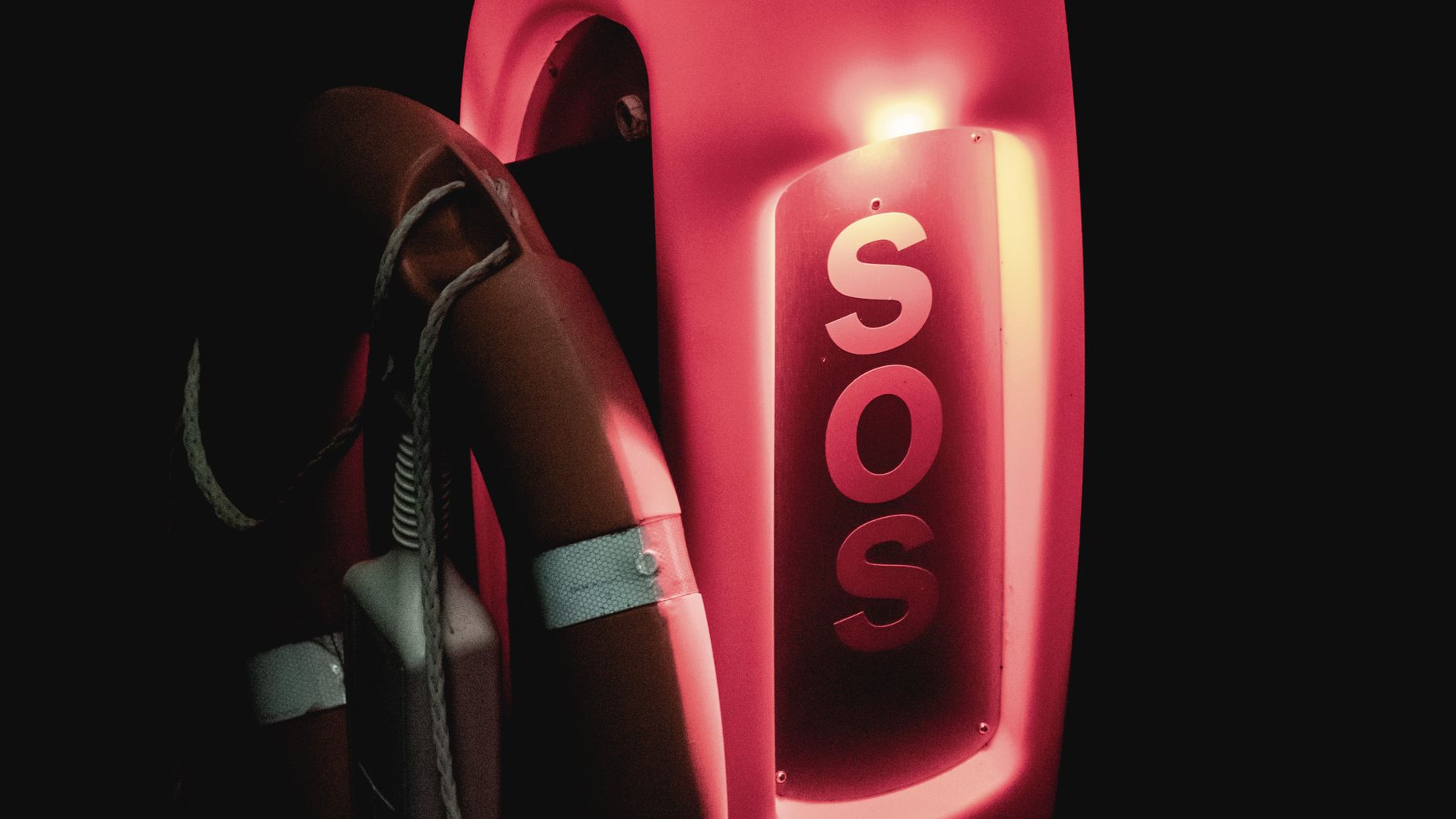
When traveling, ensuring your safety and being able to signal for help is paramount. Understanding the international emergency signal for distress is essential for all travelers, especially those venturing into remote areas or undertaking adventurous activities like hiking or sailing. This guide will clarify the distress signals recognized globally and provide essential context for their use.
From visual signals to audible alerts, being equipped with the knowledge of how to effectively communicate an emergency can make a critical difference. This article explores international distress signals, their applications, and practical advice on how to use them in various travel situations.
What Is The International Emergency Signal For Distress?
The international emergency signal for distress is a universally recognized signal that indicates a person or group is in grave danger and requires immediate assistance. The most widely known distress signals include the SOS signal, as well as specific visual and audio signals such as flares, flags, and horn blasts. Each of these signals serves as a vital communication tool in emergencies.
The SOS distress signal is the most famous globally, represented in Morse code as three short signals, three long signals, and three short signals again (· · · – – – · · ·). This simple sequence makes it easy to transmit with various methods, whether through sound or light. It is critical for travelers to be aware of these signals because they can significantly aid in rescue operations.
The SOS Signal: A Closer Look
The SOS signal, though it does not stand for any specific words, has become synonymous with calling for help. It is easily recognizable, making it one of the first choices for distress communication worldwide. There are several methods through which the SOS signal can be transmitted:
Morse Code Transmission
- Light Transmission: Flashing a light source, such as a flashlight or a signal mirror, can convey the SOS signal through Morse code. Shine the light for a short duration (3 flashes) followed by a longer duration (3 flashes) and repeat.
- Sound Transmission: Using a whistle, horn, or any other sound-producing device, you can replicate the SOS signal by blowing short bursts followed by longer pauses.
Visual Signaling
- Using Fire: Creating a fire in visible locations can also signal for help. The smoke can act as an alert, especially in remote areas.
- Flagging: A brightly colored piece of clothing or material waved in a repeated pattern can communicate distress, especially when combined with other signals.
Other International Distress Signals
In addition to the SOS signal, there are several other internationally recognized distress signals that travelers should be aware of. Being equipped with diverse signaling methods can boost your chances of being rescued quickly.
Visual Distress Signals
- Flare Guns: These devices emit a bright light and can be launched into the air to signal distress. Most boats and ships carry flare guns, but they are also useful for hikers and campers.
- Reflective Triangles: A reflective triangle placed on the ground can alert others to your situation, especially in low visibility conditions.
- Signal Mirrors: A small hand-held mirror can reflect sunlight and catch the attention of passing planes or ships.
Audible Distress Signals
- VHF Radio Distress Calls: Boaters and sailors often use VHF radios to send out distress calls, which are monitored by coast guard and rescue agencies. The standard distress channel is Channel 16.
- Whistles: Carrying a whistle as part of your travel gear is practical. The sound of a whistle carries far and is a straightforward way to signal for help without expending too much energy.
Using Distress Signals Effectively
Understanding the kinds of distress signals available is just the first step; effectively using them is crucial. Here are some practical tips on how to employ distress signals in various situations:
On the Water
Travelers on boats or ships should always have a safety plan that includes easily accessible signaling devices.
- Ensure flare guns are functional, have enough flares on board, and that everyone knows how to use them.
- Maintain a working VHF radio and understand the radio protocols necessary for calling for help.
- Keep an emergency kit onboard, including visual signal devices like mirrors and whistles.
In the Wilderness
Venturing into isolated terrains like mountains or forests presents unique challenges:
- Carry a compact emergency signal kit that includes a whistle, mirror, and handheld flare.
- Practice Morse code flashes with a flashlight at night to communicate SOS if necessary.
- Creating a smoke signal from a fire can alert others to your location, but make sure it’s safe and controlled to avoid wildfires.
In Urban Environments
Even in a city, knowing when and how to signal for distress can save lives.
- Use personal alarms which are small devices that emit loud sounds in emergency situations.
- Do not hesitate to call local emergency services directly if you feel threatened or require assistance.
- Utilizing social media or texting can also be effective if traditional methods are compromised.
Legal Considerations and Local Customs
When traveling internationally, be aware that the manner and legality of signaling can differ by region. Here are some key considerations:
- Always familiarize yourself with local laws regarding the use of flares and other signaling devices, as some countries have restrictions on their use.
- Be aware of cultural attitudes towards distress signaling. In some regions, locals may react differently to SOS signals based on their experiences and understanding.
Best Practices for Distress Situations
Preparedness is your best asset when faced with emergencies. Implement the following best practices before your travels:
- Travel With Others: When possible, avoid traveling alone in unfamiliar areas. A companion can help in an emergency and can broadcast distress signals more effectively.
- Know Your Location: Familiarize yourself with the geography of the area, including landmarks which can help when directing rescuers to your location.
- Emergency Plans: Develop a comprehensive emergency plan, including a list of important contacts and local emergency service numbers, before your trip.
Communicating In Different Languages
When traveling internationally, language barriers can complicate distress communication. While the SOS signal is universally understood, here are some additional tips:
- Learn key phrases in the local language, such as “Help,” “Emergency,” or “Call the police.” Familiarizing yourself with common terms can make a significant difference.
- Utilize translation apps to bridge any gaps in communication if you find yourself in distress.
The Role of Travel Insurance
Purchasing travel insurance can provide additional peace of mind. Good travel insurance policies often include coverage for emergency evacuations and medical services.
- Ensure your insurance includes coverage for activities you plan to engage in, such as hiking or any adventure sports.
- Keep a copy of your insurance policy and emergency contact numbers readily accessible during your travels.
Conclusion
Understanding the various international emergency signals for distress enhances your safety and preparedness while traveling. Whether you’re sailing on open waters or hiking rugged trails, being able to effectively communicate your situation can be crucial.
Stay equipped with the necessary tools, familiarize yourself with local regulations, and prepare an emergency plan before you embark on your next adventure. Always remember that your safety is paramount, and knowing how to signal for help can make all the difference in a critical situation.
For more practical travel advice, consider exploring topics like what travel insurance covers and how to fly with a dog.