
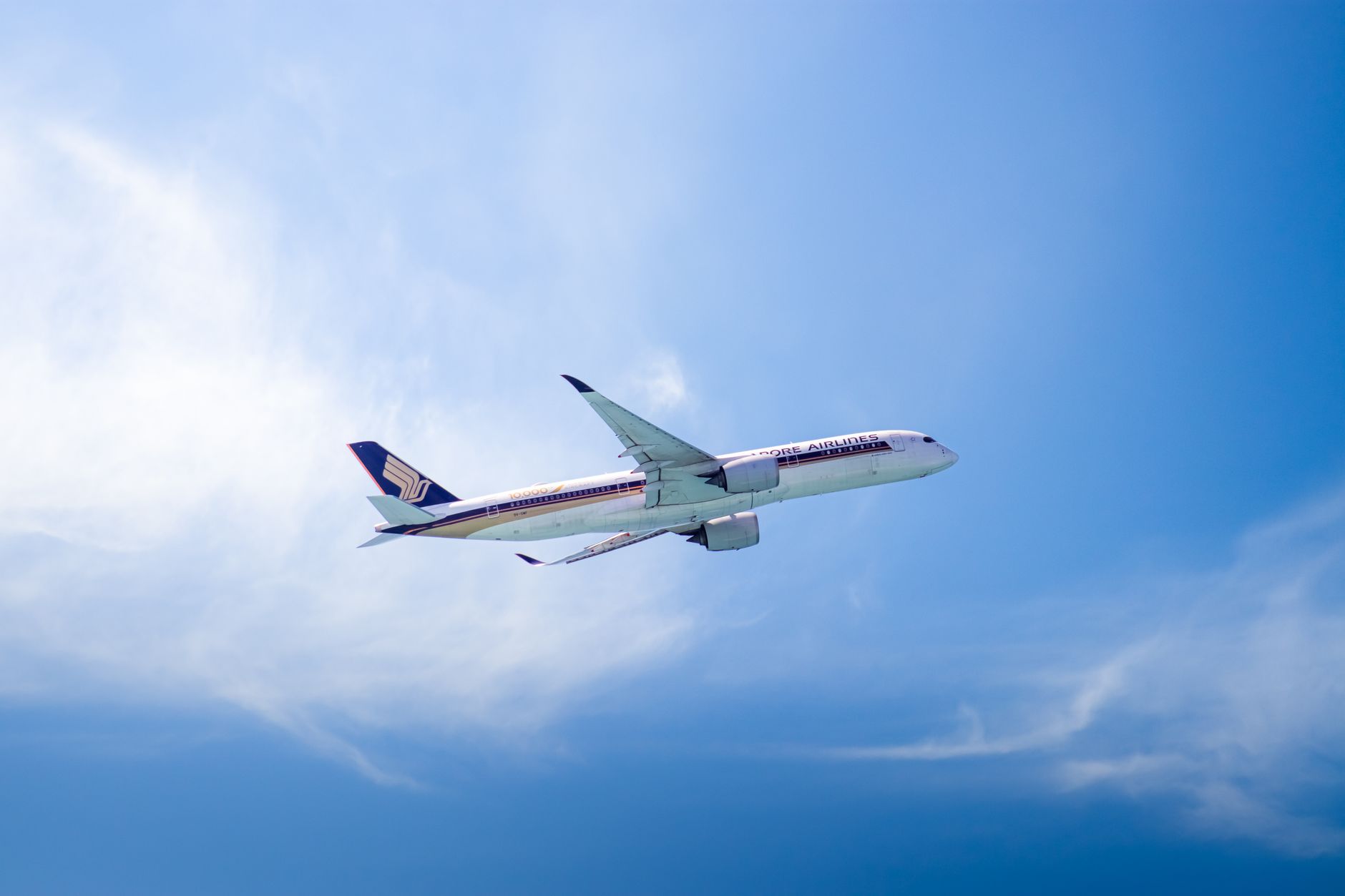
When it comes to air travel, one of the most intriguing questions for globetrotters is about the longest flights in the world. Understanding the routes and airlines that offer these extensive journeys can ignite wanderlust and prompt travel enthusiasts to explore new destinations. In this article, we will delve into current facts, logistics, and essential considerations for travelers who are keen on experiencing long-haul flights.
This guide will provide insights into what constitutes the longest flight, notable airlines, aircraft used, and practical tips on how to manage such extended periods in the air. Now, let’s dive into what makes the longest flight in the world and what to expect while taking on such an ambitious journey.
What Is The Longest Flight In The World?
The longest flight in the world, officially measured by distance, is Singapore Airlines’ flight SQ23, which travels non-stop from Singapore to New York City (John F. Kennedy International Airport). This route spans approximately 9,534 miles (15,349 kilometers) and typically takes about 18 to 19 hours of travel time, depending on prevailing winds and weather conditions.
Notably, there are other notable long-haul flights as well, such as Qatar Airways’ flight from Auckland to Doha and Emirates’ flight from Auckland to Dubai, both measuring around 14,000 miles (22,530 kilometers). Still, SQ23 holds the title for the longest in distance. However, flight times can vary based on operational considerations.
Why Choose a Long-Haul Flight?
Long-haul flights offer unique opportunities for travelers to connect with distant places. They provide a gateway to destinations that are otherwise challenging to reach without multiple stopovers. Opting for a non-stop flight not only saves time but also reduces the travel fatigue often associated with layovers and transit.
Many travelers choose long-haul flights for various reasons:
- Convenience: Direct flights eliminate the hassle of changing planes and navigating busy airports.
- More time at destination: Spending less time traveling means more time to explore the chosen location.
- Better sleep: Some airlines offer comfortable seating and amenities that help passengers rest better during the flight.
- In-flight services: Long-haul flights typically provide enhanced services such as meals, entertainment, and amenities for a more enjoyable journey.
Understanding The Aircraft
Long-haul flights are generally operated using aircraft specifically designed for endurance and comfort. The following aircraft are frequently used for the longest flights:
Boeing 777-200LR
This long-range aircraft has a maximum range of around 8,555 miles (13,800 kilometers). It is favored by many airlines for its fuel efficiency and ability to handle long routes.
Boeing 787 Dreamliner
The Dreamliner is known for its advanced technology and passenger comfort features. It can fly approximately 7,530 miles (12,200 kilometers) and is used in various long-distance international routes.
Airbus A350
The Airbus A350 offers a modern design with improved aerodynamics, enhancing fuel efficiency and passenger comfort. Its impressive range can reach up to 8,000 miles (12,800 kilometers).
Airbus A380
This double-decker aircraft is the largest passenger airliner in the world and features spacious cabins, making it ideal for airlines looking to maximize capacity on long routes.
Airlines Offering The Longest Flights
Several airlines are known for their long-haul flights. Here are some key players in long-distance travel:
Singapore Airlines
As mentioned, Singapore Airlines operates the longest flight from Singapore to New York City, setting the standard for long-distance air travel with exceptional in-flight services.
Qatar Airways
Qatar Airways provides direct flights from Auckland to Doha, promoting comfort and luxury in its extensive network.
Emirates
Emirates offers long routes connecting Auckland with Dubai, known for their opulent in-flight experience.
United Airlines
United Airlines also offers long-haul flights from various U.S. cities to destinations in Asia and Australia.
What To Expect On A Long-Haul Flight
Boarding a long-haul flight demands preparation to ensure comfort and well-being throughout the journey. Here’s what travelers can expect during such flights:
Cabin Classes
Long-haul flights typically feature multiple cabin classes, such as:
- Economy Class: Provides basic services, often with meal service and entertainment options.
- Premium Economy: This class features more legroom, better seating, and enhanced services.
- Business Class: Often includes lie-flat seats, gourmet dining options, and additional amenities.
- First Class: The most luxurious option, featuring personalized service, expansive seating, and exclusive access to lounges.
In-Flight Entertainment
Long-haul flights usually offer an array of in-flight entertainment options. Expect large screens with movies, TV shows, music, and games to pass the time. Many airlines also let travelers stream content onto personal devices.
Meals and Beverages
Long-haul flights come with meal services. Most airlines provide multiple courses along with a selection of beverages. Special dietary requirements should be communicated when booking.
Comfort and Amenities
Long-haul airlines often boast sleeping arrangements, comfort kits, and ergonomic seating. An eye mask and neck pillow can enhance comfort, ensuring a more restful experience.
Tips For Surviving A Long Flight
To make the most of your long-haul experience, consider these practical tips:
- Dress Comfortably: Wear loose-fitting, breathable clothing and socks to allow for comfort during long hours of sitting.
- Stay Hydrated: Confirm hydration by drinking water frequently, as airplane cabins can cause dehydration.
- Move Around: Take breaks to stretch and move around the cabin to improve circulation and reduce stiffness.
- Bring Entertainment: Load up your personal devices with books, podcasts, or streaming options to keep you entertained.
- Pace Your Meals: Don’t feel compelled to eat everything at once; pacing meals can help prevent discomfort.
- Adjust Your Clock: If crossing multiple time zones, adjust your watch to your destination time before flying to help acclimatize.
Managing Jet Lag
One of the most common challenges faced by long-haul travelers is jet lag. To mitigate the effects, consider the following strategies:
- Gradually Adjust Sleep: Before departure, slowly alter your sleep schedule to match your destination’s time zone.
- Use Sleep Aids Wisely: If planning to sleep on the plane, consider using sleep masks, earplugs, or even mild sleep aids to enhance rest on board.
- Stay Active: Once you arrive, engage in light physical activity to help combat fatigue and keep your body energized.
Understanding Flight Etiquette
Long flights often involve close quarters with fellow passengers. It’s important to practice proper flight etiquette, including:
- Respect Personal Space: Be mindful of neighboring passengers, especially when reclining your seat.
- Limit Airplane Conversation: Be considerate when engaging in conversation; not everyone may wish to chat.
- Avoid Strong Scents: Strong perfumes or food odors can be bothersome in close proximity.
What Else To Consider Before Your Long-Haul Flight
Preparation is key for a long journey. Consider additional factors such as:
Travel Insurance
Acquiring travel insurance that covers delays, cancellations, and health-related issues is vital, especially for long trips. Ensure you choose a policy suitable for your needs.
Passport and Visa Requirements
Confirm your travel documents, as different countries have varying entry requirements. Ensure your passport is current and verify whether a visa is needed in advance.
Covid-19 Considerations
Stay updated on any specific requirements or regulations related to Covid-19, including testing or vaccination requirements for your destination to ensure smooth travel.
When Is The Best Time To Book Long-Haul Flights?
The optimal time to book long-haul flights varies based on destination and seasonality. Generally, booking two to three months in advance is advisable, as this often allows access to better fares. Additionally, consider factors such as:
- Off-Peak Travel: Traveling during off-peak seasons can often lead to lower fares and less crowded flights.
- Flexibility: If your schedule allows, flexibility in your travel dates can save money; weekdays tend to be cheaper than weekends.
Conclusion
Long-haul flights offer incredible advantages for global exploration, opening up a vast array of destinations for those willing to endure an extended time in the air. With thoughtful preparation and understanding of the dynamics involved, you can make your long-haul experience enjoyable and rewarding. Equip yourself with knowledge, and venture out on your next long-distance flight with confidence.
For more travel insights, check out how long is a flight to Japan or learn about how much fuel does a 747 hold.