
Traveling by air provides a unique opportunity to connect distant parts of the world, but some flights take this experience to a whole new level. Have you ever wondered what the longest flight is? In this article, we will explore the longest commercial flights currently in operation, the airlines that offer them, and important considerations for travelers undertaking these lengthy journeys.
From the technology that makes these long-haul flights possible to tips for managing in-flight comfort, we’ll cover everything you need to know. Whether you’re an intrepid traveler or just curious about air travel, this guide will serve as your comprehensive resource on long-distance flying.
What Is The Longest Flight?
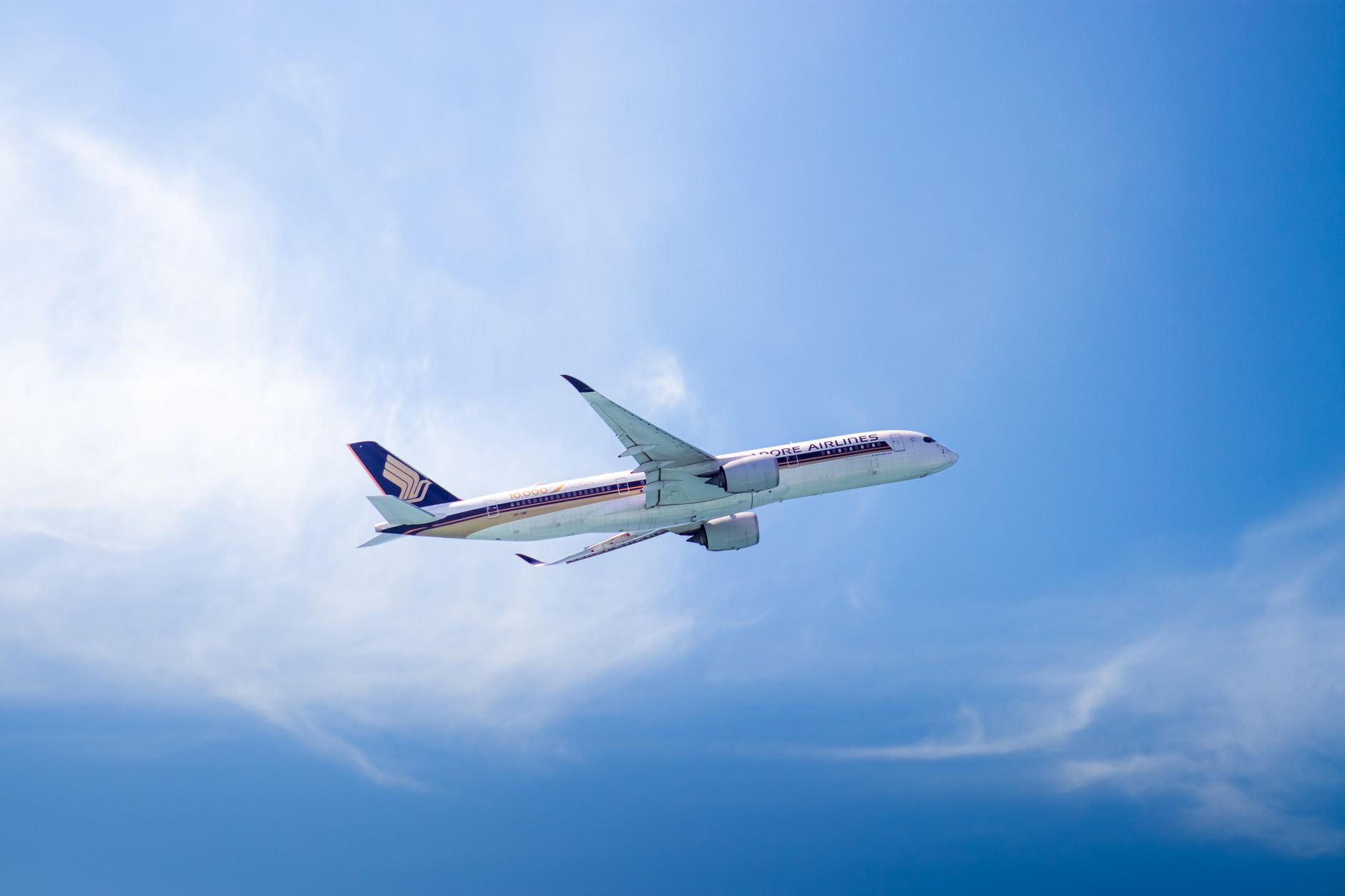
The longest flight in the world is Singapore Airlines Flight SQ23, which operates between Singapore Changi Airport and John F. Kennedy International Airport in New York City. This non-stop service covers a distance of approximately 9,537 miles (15,349 kilometers) and takes roughly 18 hours and 40 minutes in the air, depending on weather conditions.
Understanding Long-Haul Flights
Long-haul flights typically refer to journeys that last over six hours. These flights often traverse multiple time zones and can lead to jet lag due to significant changes in the traveler’s circadian rhythm. Understanding what defines long-haul travel helps you prepare properly, ensuring a more comfortable experience.
The Importance of Aircraft Technology
Modern aircraft, such as the Airbus A350 and Boeing 787 Dreamliner, are engineered for efficiency and comfort during lengthy flights. They feature advanced materials, technology, and aerodynamics that make long-haul flights feasible, allowing airlines to cover vast distances nonstop.
Passengers’ Comfort on Long Flights
Comfort is paramount during long flights. Airlines have tailored their cabin layouts and amenities to cater to travelers’ needs. Features such as larger overhead bins, quieter cabins, and improved inflight entertainment systems help enhance the flying experience. The newer aircraft tend to have lower cabin altitude and higher humidity levels, which can reduce fatigue despite the elongated travel time.
Major Long-Haul Flights Around The World
Besides Singapore Airlines SQ23, several other airlines operate lengthy trips across various routes. Here’s a look at some of the longest flights currently in operation:
- Emirates Flight EK201: Dubai to Auckland (approximately 8,824 miles / 14,200 kilometers, about 17 hours and 15 minutes).
- Qantas Flight QF9: Perth to London (approximately 9,009 miles / 14,498 kilometers, about 17 hours and 20 minutes).
- Qatar Airways Flight QR921: Auckland to Doha (approximately 9,032 miles / 14,539 kilometers, about 17 hours and 30 minutes).
- United Airlines Flight UA 1: San Francisco to Singapore (approximately 8,446 miles / 13,570 kilometers, about 17 hours and 10 minutes).
Preparing for Long Flights
Preparing to embark on a long flight requires more than just packing a suitcase. Here are some tips to help make your experience as seamless and enjoyable as possible:
Pack Smartly
Efficient packing is crucial for long flights. Here’s a list of essentials to include:
- Comfortable clothing (layers are ideal)
- Travel pillow for neck support
- Noise-canceling headphones
- Personal entertainment (books, tablets, etc.)
- Snacks and refillable water bottle (check airline regulations)
- Toiletries for freshening up (toothbrush, face wipes)
Manage Your Schedule
Being mindful of your schedule can help reduce the impact of jet lag. Try to adjust your sleep pattern a few days before you travel. When you land at your destination, spend time in natural light and slowly acclimate to the new time zone.
Pre-Flight Check-In
Many airlines allow online check-in, which can save you time at the airport. Take advantage of this feature to choose your seat, manage any last-minute changes, and ensure you have all necessary travel documents up-to-date.
The In-Flight Experience
Once on board, settling into your flight can require some adjustment. Here are factors to consider:
Choosing the Right Seat
Selecting the most suitable seat can significantly influence your comfort level. Options vary between airlines, but strategies typically include:
- Aisle seats for easier access to the lavatories and the aisle.
- Window seats for views and something to lean against while sleeping.
- Choosing a seat near the front of the cabin can help with quicker boarding and deplaning.
Maintaining Comfort
During the flight, it’s essential to stay comfortable:
- Stay hydrated—drink plenty of water.
- Move about the cabin periodically to reduce the risk of deep vein thrombosis (DVT).
- Dress in comfortable, loose-fitting clothing and layers to adapt to temperature changes.
Entertainment Options
Most airlines provide an inflight entertainment system, but you should also bring your own devices. Download movies, shows, or podcasts beforehand, and charge your devices before heading to the airport to ensure you have ample entertainment during the flight.
Health Considerations on Long Flights
Traveling long distances by air can sometimes lead to health concerns due to prolonged immobility and cabin pressure. Here are some essential health tips:
Stay Active
During your flight, take breaks to stretch. Perform simple exercises in your seat, such as ankle circles and upper body stretches. If instructed, get up and walk the aisle periodically.
Hydration is Key
Airplane cabins tend to be dry, with lower humidity levels that can lead to dehydration. Drink water regularly throughout your flight instead of relying on soft drinks or alcoholic beverages, which can exacerbate dehydration.
Consult with a Doctor
If you have existing health conditions or are taking medication, consult your healthcare provider before traveling. Discuss your travel plans, particularly if you will be on blood-thinning medications or have mobility issues.
Traveling with Kids on Long Flights
For families traveling with young children, long flights may present unique challenges. Here are some helpful strategies:
Prepare Your Children
Talk to your kids about what to expect on the flight. Provide them with activities, games, and snacks to keep them engaged throughout the journey.
Consider Upgrades
If budget allows, consider booking a premium cabin for more space and comfort. Many airlines offer special services for families, including priority boarding and children’s meals.
Packing Essentials for Kids
When packing for children, remember to include:
- Favorite toys or comfort items
- Kids’ headphones for inflight entertainment
- Spare clothes in case of accidents
Arriving Without the Hassle
After enduring a long flight, the last thing you want is to deal with delays or confusion upon arrival. Here are some considerations:
Immigration and Customs
Be prepared for the arrival process at your destination. Have all documentation readily available and fill out customs forms during the flight if provided. Understanding the immigration process unique to each country can prevent confusion and delays.
Transportation from the Airport
Research your transportation options before landing. Many airports offer a range of services, including taxis, shuttles, and public transit. Pre-booking airport transfers can help ease the transition into your new destination.
Accommodations Near the Airport
If your journey includes a long layover, consider booking a hotel near the airport for a restful stay. Many hotels might offer special rates for travelers and shuttle services to ease the commute.
Long Flight Travel Tips
To make the most of your long-haul flight experience, consider these additional travel tips:
- Bring a personal blanket or shawl for extra warmth and comfort.
- Utilize travel apps for flight tracking and gate changes.
- Be respectful of other passengers—limit noise and keep lights off during sleeping hours.
- Check for lounge access rules, especially if you hold status with an airline.
Conclusion
The world of long-haul flights is fascinating and complex. With airlines continually expanding their routes and improving onboard experiences, long-distance travel is more accessible than ever. By preparing adequately, staying comfortable, and being considerate of fellow passengers, you can turn what may seem like a daunting experience into an enjoyable journey.
Now that you’ve learned about the longest flights and how to prepare for them, consider exploring related travel topics that can make your travel planning more efficient. Check out how long is a flight to Japan or learn about fuel capacity in a Boeing 747.