
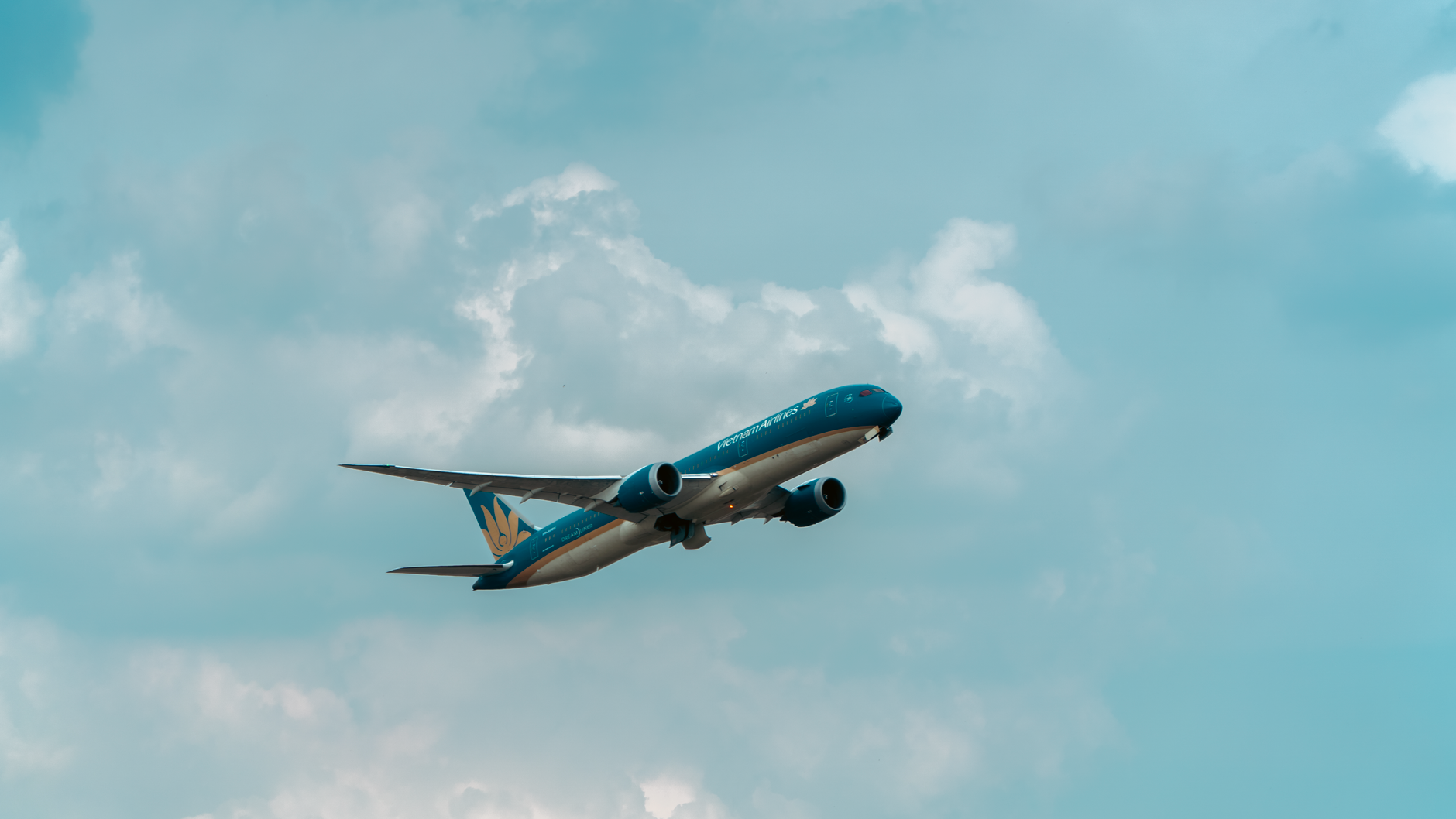
When it comes to air travel, safety is often at the forefront of a passenger’s mind. With numerous airlines operating across the globe, it’s essential to identify which are the safest to trust with your travels. Understanding airline safety records, policies, and the various factors that contribute to a safe flying experience can help you make informed choices for your trips.
This comprehensive guide addresses the question of “What is the safest airline?” by delving into notable airline safety rankings, the policies that influence airline safety, and practical travel tips to ensure a worry-free flying experience.
What Is the Safest Airline?
The title of “safest airline” is often bestowed upon airlines that consistently demonstrate excellent safety records, adhere to stringent safety protocols, and maintain high standards of aircraft maintenance and crew training. Airlines like Qatar Airways, Singapore Airlines, and Emirates frequently appear at the top of safety rankings due to their commitment to passenger safety and operational excellence.
Each year, independent organizations such as AirlineRatings.com and JACDEC publish lists ranking airlines based on various safety metrics, including incident reports, fleet age, and government audits. These rankings provide valuable insights into which airlines prioritize safety and operate within the highest standards.
Understanding Airline Safety Ratings
Airline safety ratings are compiled based on numerous factors that influence overall operational safety. Here’s a closer look at these criteria:
- Accident History: Airlines with fewer incidents or accidents are generally considered safer. This includes crash statistics and operational mishaps.
- Fleet Age: Newer aircraft typically incorporate modern safety technology and design improvements. Airlines that invest in newer fleets often score higher.
- Regulatory Compliance: Airlines that adhere to international regulations and pass safety audits conducted by aviation authorities receive higher ratings.
- Operational Safety: Ongoing evaluations of flight operations, including crew training and maintenance policies, contribute to safety rankings.
- COVID-19 Safety Measures: Post-pandemic, airlines implementing robust health and safety protocols, including sanitization measures and social distancing, have also influenced safety perceptions.
Top Safety Rankings in 2023
According to the latest reports from AirlineRatings.com, the following airlines have been recognized as some of the safest in 2023:
- Qatar Airways: Known for its stringent safety measures and modern fleet, Qatar Airways consistently ranks at the top.
- Singapore Airlines: With a reputation for excellent service and safety, Singapore Airlines is a favorite among travelers.
- Emirates: This airline’s commitment to passenger safety and rigorous training programs for its crew have earned it a top spot.
- All Nippon Airways (ANA): Japan’s premier airline is recognized for its low accident rate and high maintenance standards.
- Qantas: Australia’s flagship airline has a long-standing reputation for safety dating back to its founding in 1920.
It’s worth noting that these rankings may vary year to year, influenced by changes in management, fleet updates, and safety incidents. Travelers are encouraged to consult the latest rankings before booking flights.
Key Policies That Influence Airline Safety
A variety of policies contribute to the overall safety environment of an airline. Some key areas of focus include:
Maintenance Procedures
Airlines are required to follow strict maintenance protocols to ensure aircraft are in safe operating condition. Routine inspections, repairs, and overhauls are critical components of aircraft safety. Airlines with comprehensive maintenance programs, overseen by well-trained personnel, are less likely to face mechanical failures in-flight.
Pilot Training and Certification
The proficiency of pilots is critical to airline safety. Leading airlines invest in extensive training programs, including both simulator and real-life flying experiences. Regular assessments and additional training for specific aircraft types help maintain high standards among flight crews.
Emergency Protocols and Communications
Clear emergency protocols and communication strategies between crew members are essential during in-flight emergencies. Top-ranking airlines routinely conduct safety drills and simulations to prepare their staff for various scenarios, ensuring a quick and efficient response should an emergency occur.
Health Safety Practices
In light of the COVID-19 pandemic, airlines have implemented health safety practices that not only protect passengers against infectious diseases but also contribute to overall safety. Practices such as enhanced cleaning procedures, use of personal protective equipment (PPE), and improved air filtration systems can help ensure a safer environment on flights.
Travel Safety Tips for Passengers
While choosing a safe airline is essential, passengers can take additional steps to enhance their travel safety. Here are some practical tips:
- Stay Informed: Research the airline’s safety record and policies before booking your flight. Reviews and ratings from reliable sources can provide valuable insight.
- Follow Health Guidelines: Adhere to the health and safety guidelines set by airlines, including wearing masks and maintaining social distancing when possible.
- Arrive Early: Give yourself adequate time to check in, navigate through security, and handle any unexpected issues before boarding your flight.
- Keep Valuables Secure: Keep important documents, electronics, and valuables close to you and secure during your flight to prevent loss or theft.
- Stay Calm During Emergencies: Remain composed during an emergency situation. Following the crew’s instructions is critical to ensuring everyone’s safety.
Booking Safe Flights: Which Airlines to Choose
While the airline rankings provide a general overview, specific routes and flight conditions can also affect safety. It’s worthwhile to consider the following factors when booking flights:
Direct Flights vs. Layovers
Whenever possible, choose direct flights to minimize the risk of mishaps associated with layovers, such as delays leading to rushed connections or missed flights. Direct flights reduce the number of times an aircraft is on the ground, thus contributing to overall safety.
Aircraft Type
Different aircraft models have varying safety records. Airlines often operate various fleets, so check what type of aircraft will be used for your flight. Some models are known for their reliability and safety, while others may have a checkered history.
Airline Reputation and Customer Rating
Customer reviews can provide insight into the airline’s overall service quality. Be sure to look for airlines well-reviewed for their safety record, timely flights, and responsive customer service.
Coping with Flight Anxiety
Some travelers experience anxiety or fear of flying. Here are strategies to manage those feelings:
- Education: Understanding how flying works and the safety measures in place can help alleviate fears.
- Mindfulness Techniques: Practice mindfulness or meditation to reduce anxiety leading up to and during your flight.
- Talk to Professionals: If flight anxiety is severe, consider seeking advice from health professionals who can provide tips and possibly medication.
- Distraction: Bring along interesting books, movies, or games to distract yourself during the flight.
Tracking Airline Safety Records and Updates
Staying updated on airline safety records and operational changes is vital. Resources such as the International Air Transport Association (IATA) and AirlineRatings.com provide ongoing updates and information about airline safety compliance and records. You can also follow aviation news websites and blogs for the latest developments regarding specific airlines or industry-wide trends.
Handling Concerns During Travel
If you have safety concerns while traveling, here are actions you can take:
- Speak Up: Don’t hesitate to ask flight attendants or airport staff about safety procedures or voice any concerns you may have.
- Follow Protocols: Adhering to the airline’s safety protocols, including wearing seatbelts and following emergency instructions, contributes to your safety and that of your fellow travelers.
- Provide Feedback: After your flight, share your experiences with the airline and give constructive feedback on any safety concerns you noticed during your travel.
Conclusion
Finding the safest airline involves understanding various factors, from safety ratings to airline policies and traveler habits. Flyers should do their own research, weigh the options available, and select airlines with strong safety records. Ultimately, choosing a reputable airline and maintaining awareness during travel will lead to a safer and more enjoyable flying experience.
As you plan your next trip, consider exploring related destination guides, itineraries, or travel-planning tips for further assistance, such as analyzing Spirit Airlines’ safety or discovering tips for traveling with pets.