
Vietnam, a country rich in natural beauty, history, and vibrant culture, has become a beloved destination for travelers worldwide. From its breathtaking landscapes to its delicious cuisine, Vietnam is known for a multitude of experiences that cater to various interests and preferences.
In this article, we will explore what Vietnam is known for, including its top sights, culinary delights, and travel tips to help you plan your journey efficiently.
What Is Vietnam Known For?
Vietnam is known for its stunning landscapes, historical sites, diverse culture, and mouthwatering cuisine. Visitors can explore beautiful beaches, majestic mountains, and bustling cities, while enjoying rich local traditions and flavors. With such variety, Vietnam offers an experience that appeals to every type of traveler.
Top Natural Attractions in Vietnam
Vietnam boasts a wealth of natural attractions that provide breathtaking scenery and unique experiences. Here are some of the must-visit spots:
-
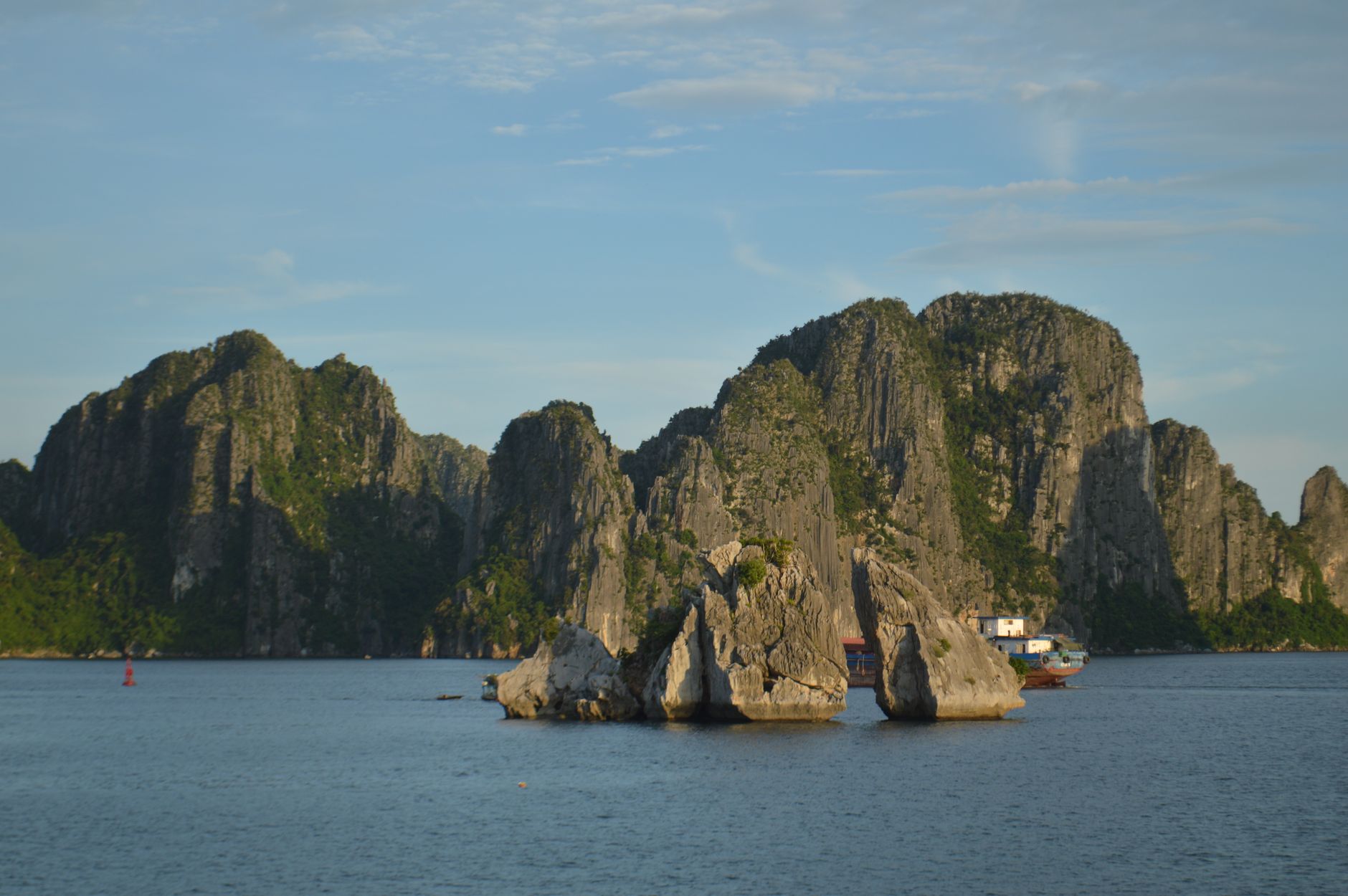
Halong Bay
Famous for its emerald waters and thousands of limestone islands topped with rainforests, Halong Bay is a UNESCO World Heritage site. Take a cruise to explore the stunning landscapes and visit some of the numerous caves and floating fishing villages.
-
Phong Nha-Ke Bang National Park
Home to some of the world’s largest and most spectacular caves, including Son Doong, the largest cave on Earth, this national park offers stunning limestone formations and rich biodiversity, perfect for adventure seekers and nature lovers.
-
Sapa
Sapa is known for its terraced rice fields and stunning mountain scenery, attracting hikers and nature enthusiasts alike. You can also immerse yourself in the local culture by visiting ethnic minority villages.
-
Mekong Delta
This vast network of rivers, swamps, and islands is rich in biodiversity and thus, offering amazing opportunities for exploration on boat tours. Experience local life by visiting floating markets and traditional villages.
-
My Son Sanctuary
This ancient Hindu temple complex showcases intricate carvings and significant remnants of the Cham civilization. It is a UNESCO World Heritage site and provides insights into Vietnam’s cultural history.
Cultural Experiences in Vietnam
Vietnam’s rich cultural heritage is reflected in its festivals, traditions, and local communities. Here are some unique cultural experiences you can consider:
-
Traditional Festivals
Witness vibrant traditional festivals like Tet (Lunar New Year) and the Mid-Autumn Festival where local customs, lion dances, and food play a significant role in the celebrations.
-
Ethnic Minority Cultures
In areas like Sapa or the northern highlands, travelers can interact with ethnic minority groups such as the Hmong or Dao, exploring their unique clothing, crafts, and practices.
-
Homestay Experiences
Consider a homestay to experience daily life with local families. It’s a fantastic way to learn about traditions, crafts, and local cooking.
Vietnamese Cuisine: What to Try
No visit to Vietnam is complete without indulging in its delicious cuisine. Here are popular dishes that you must try:
-
Pho
This famous Vietnamese noodle soup comes with aromatic broth, rice noodles, and meat, typically beef or chicken, topped with fresh herbs and lime.
-
Banh Mi
A Vietnamese sandwich that combines baguette bread with various fillings like meats, pickled vegetables, and sauces, offering a delicious fusion of flavors.
-
Goi Cuon
Also known as fresh spring rolls, these rice paper rolls are filled with shrimp, herbs, and vermicelli noodles, often served with a peanut dipping sauce.
-
Mi Quang
This central Vietnamese dish features flat rice noodles, turmeric broth, and a variety of toppings, often including pork, shrimp, and fresh herbs.
-
Xoi
A sticky rice dish served with various toppings such as mung beans, fried shallots, or meats, it is commonly enjoyed for breakfast or snacks.
Best Cities to Visit in Vietnam
Vietnam’s cities each offer a unique atmosphere and attractions. Here are some of the key cities to include in your itinerary:
-
Hanoi
The capital city, known for its centuries-old architecture and rich history, features landmarks such as the Hoan Kiem Lake and the Ho Chi Minh Mausoleum.
-
Ho Chi Minh City (Saigon)
As the largest city in Vietnam, it is a bustling metropolis rich with history, shopping, and nightlife. Visit the War Remnants Museum, the Ben Thanh Market, and the Notre-Dame Cathedral Basilica.
-
Da Nang
This coastal city is famous for its beaches and as a gateway to nearby Hoi An and My Son. Da Nang offers modern conveniences paired with traditional Vietnamese culture.
-
Hoi An
A well-preserved ancient town, known for its charming streets, vibrant markets, and cultural heritage, Hoi An is a UNESCO World Heritage site worth exploring.
-
Nha Trang
A popular beach destination known for its stunning shoreline and water activities. It is a great place for relaxation or water sports.
Travel Tips for Visiting Vietnam
Planning your trip to Vietnam can be exciting yet overwhelming. Here are some essential travel tips to consider:
-
Visa Requirements
Research the visa requirements in advance, as they vary depending on your nationality. Several countries are eligible for visa exemption, while others may need to apply for a visa online or at an embassy.
-
Best Time to Visit
The best time to visit Vietnam varies by region, typically during the dry season from November to April. Each area has its own climate patterns; therefore, plan according to your desired destinations.
-
Getting Around
Travel options include buses, trains, and domestic flights for long distances. Renting a scooter is popular in cities like Ho Chi Minh and Hanoi for short distances, but be cautious of traffic conditions.
-
Local Currency
The currency used in Vietnam is the Vietnamese Dong (VND). It’s advisable to carry cash as many places do not accept credit cards.
-
Stay Connected
Purchase a local SIM card upon arrival to stay connected with internet access. Wi-Fi is widely available in hotels and cafes.
Accommodations in Vietnam
Vietnam offers a diverse range of accommodation options suited for all budgets and preferences. Here are some categories to consider:
-
Luxury Hotels
Cities like Hanoi and Ho Chi Minh City have numerous luxury hotels and resorts with top-notch amenities and services, perfect for travelers seeking a lavish stay.
-
Budget Hostels
For backpackers and budget travelers, hostels are widely available in tourist areas, offering affordable dormitory-style accommodations and opportunities to meet fellow travelers.
-
Guesthouses
Family-run guesthouses are common and provide a more authentic experience, often including breakfast and local insights about the area.
-
Homestays
For an immersive cultural experience, opt for a homestay in regions like Sapa or Mu Cang Chai, where you can stay with local families and learn about their traditions and lifestyles.
Packing Tips for Vietnam
Proper packing can make your trip more enjoyable. Here are some essential items to include:
- Lightweight clothing appropriate for the climate.
- Comfortable walking shoes for exploring cities and natural sites.
- Travel-sized toiletries and any necessary medications.
- Portable charger for your devices.
- A lightweight rain jacket or umbrella, especially during the rainy season.
Typical Seasonal Patterns and Weather Considerations
Vietnam’s climate varies significantly between regions, influencing the best times to visit different areas:
-
North Vietnam
Typically, north Vietnam experiences a mild climate with four distinct seasons. The best time to visit is from September to November, when temperatures are cooler and humidity is lower.
-
Central Vietnam
Central Vietnam has a tropical climate, and the rainy season is from September to November. The best time to visit is between February and April for sunny weather.
-
South Vietnam
The south is generally warmer year-round, with a dry season from December to April. It’s optimal for beach vacations and exploring cities like Ho Chi Minh.
Responsible Travel Tips
Traveling responsibly is crucial to preserving Vietnam’s natural and cultural heritage. Here are some tips to consider:
- Respect local customs and dress modestly when visiting temples or rural areas.
- Support local businesses by dining at family-owned restaurants and shopping at local markets.
- Be environmentally conscious by avoiding single-use plastics and participating in eco-friendly tours.
Vietnam is an exciting destination that captures the essence of adventure, culture, and culinary delight. With careful planning and these insights, you can create a memorable itinerary that showcases what Vietnam is known for.
To get one step closer to exploring Vietnam, consider checking out related travel guides and itineraries to optimize your next adventure.