
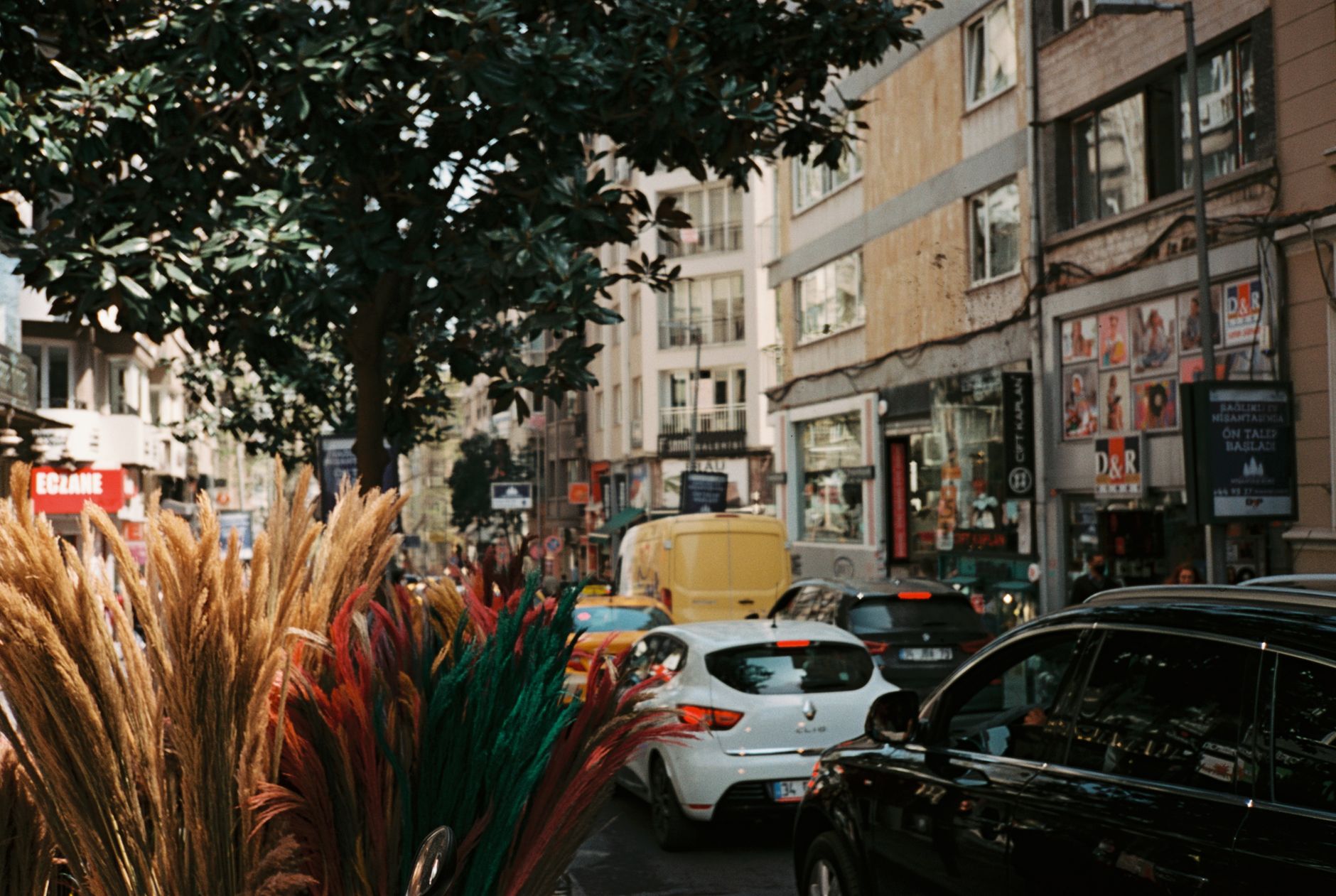
In any bustling city, understanding the rush hour times can significantly enhance your travel experience. Knowing when to avoid peak traffic can save you time, reduce stress, and allow you to better plan your itinerary. This guide offers essential details about what time rush hour typically occurs in various major cities, along with helpful tips for visitors.
Whether you are commuting, sightseeing, or exploring, this information is crucial for navigating a new urban environment. Let’s delve straight into the details to help you plan your travels effectively.
What Time Is Rush Hour?
Rush hour varies from one city to another, but it typically occurs in the early morning from around 7 AM to 9 AM and in the evening from 5 PM to 7 PM, Monday through Friday. During these times, cities experience the highest volume of traffic, making travel slower and more congested.
Rush Hour Times in Major Cities
Each city has its own unique rush hour patterns based on the local workforce and public transportation systems. Here’s a breakdown of anticipated rush hour times in some of the world’s most visited cities.
New York City
- Morning: 7 AM – 9 AM
- Evening: 4 PM – 7 PM
New York City’s subway and bus systems can become quite packed during these hours. If you’re planning a visit, try to schedule your activities outside these high-traffic periods.
Los Angeles
- Morning: 6:30 AM – 9 AM
- Evening: 3 PM – 7 PM
LA is infamous for its traffic, especially on the freeways. Consider using public transport like the Metro to avoid being caught in a jam.
Chicago
- Morning: 6 AM – 9 AM
- Evening: 3 PM – 6 PM
The Chicago Transit Authority offers a robust train system that can help alleviate some of the congestion. During rush hour, it might be wise to use these trains to avoid traffic.
London
- Morning: 7 AM – 9:30 AM
- Evening: 4 PM – 7 PM
In London, the Tube can get quite busy, particularly during these hours. To avoid the crowds, consider planning your trips outside of these prime times.
Tokyo
- Morning: 7 AM – 9 AM
- Evening: 5 PM – 7 PM
Tokyo has one of the busiest train systems in the world. If possible, travel outside of rush hours to enjoy a more comfortable journey.
Paris
- Morning: 7 AM – 9 AM
- Evening: 5 PM – 8 PM
Paris’s Metro can become extremely crowded during these times. Opt for walking or other modes of transport when feasible.
Practical Tips for Navigating Rush Hour
Now that you are aware of typical rush hour times in major cities, here are some tips for navigating through them effectively:
- Avoid Peak Times: If your schedule permits, try to travel outside of rush hour. Late morning or early afternoon can often offer a much more pleasant experience.
- Use Public Transportation: In many cities, public transport can be more efficient during peak times. Consider using subways or trams where available.
- Plan Your Routes: Familiarize yourself with maps and alternate routes. Apps like Google Maps provide real-time traffic updates that can be invaluable during busy hours.
- Consider Alternative Modes: Biking or walking may be enjoyable options for short distances. Many cities now have bike-sharing programs that can be quite convenient.
- Stay Alert: Always keep an eye out for any changes in traffic patterns or public transport delays. Being proactive can make a big difference.
What To Expect During Rush Hour
Rush hour can be challenging, but knowing what to expect helps you prepare mentally and logistically. Here’s a closer look at the typical experience during rush hour in cities around the world.
Traffic Congestion
In larger cities, traffic congestion can lead to delays on the road. Plan accordingly by checking traffic reports ahead of time.
Full Transit Systems
Trains and buses can become extremely crowded with limited personal space. Be prepared to wait for the next train or bus if the first one is overly full.
Longer Travel Times
Whether you’re driving or using transit, expect longer travel times during rush hour. It’s vital to incorporate this potential delay into your travel plans.
Increased Noise Levels
The hustle and bustle of crowds can lead to a noisier environment. Carrying headphones or earplugs could make your journey more comfortable, especially on public transport.
Seasonal Patterns and Crowd Dynamics
Understanding seasonal patterns can also aid in successful travel during rush hour. Here’s how congestion levels may change based on the time of year.
Winter
In colder months, severe weather can affect travel times significantly. Snow or rain often leads to increased traffic accidents, making rush hour even more congested.
Summer
During summer, most tourist flooding can lead to an increase in congestion, especially in cities with major attractions. Early mornings can still be manageable, but be prepared for crowded transit systems.
Holidays
Many urban areas experience a significant drop in the population during national holidays, which can lead to lighter traffic. Consider visiting during these times if your schedule allows.
Accommodation in Relation to Rush Hour
Choosing the right accommodation can make a big difference in how you handle rush hour. Here are some factors to consider:
Proximity to Attractions
Booking a hotel close to major attractions can minimize your need to travel during rush hour. Look for central locations that offer easy access to public transport.
Transportation Options
Consider accommodations with easy access to subway or train stations, which can help you avoid traffic entirely. Proximity to multiple transit options often enriches your travel experience.
Room Amenities
Having an in-room workspace or other amenities can also compensate for time lost during rush hour. If you want to work remotely during your stay, search for hotels that cater to business travelers.
Budgeting Considerations
When planning your trip, budgeting for transportation during rush hours is essential. Here’s how to consider costs effectively:
- Public Transport Passes: Investigate the availability of multi-day transport passes to save money while traveling during rush hours.
- Ride-Sharing Services: Depending on the city, costs for taxi or ride-sharing apps may surge during rush hours. Always check for peak pricing.
- Parking Fees: If you’re driving, remember to include possible higher parking fees around major attractions during busy hours.
Cultural Experiences and Local Food During Rush Hour
Experiencing local culture is a vital part of travel. Here’s how to make the most of it during rush hour:
- Food Markets: Many cities have vibrant food markets that operate during mid-day. These can be a great place to grab a quick bite while avoiding the chaos of major dining spots during rush hour.
- Café Culture: Consider visiting a local café. Many are either less busy or may offer a more relaxed atmosphere, allowing you to enjoy local cuisine without the rush.
- Street Performances: In some regions, street performances thrive during busy hours. Enjoy these cultural displays while awaiting your transport.
Tips for Solo or Family Travelers
Whether you are traveling solo or with family, effectively managing rush hour is essential:
For Solo Travelers
- Utilize apps to connect with local events or group outings that can provide enriching experiences, often outside rush hour.
- Seek local recommendations for dining or entertainment to enjoy a quieter atmosphere.
For Families
- Plan family-friendly attractions during off-peak hours to keep children engaged and happy.
- Consider accommodations that are within walking distance to attractions to minimize travel time during peak hours.
Conclusion
Understanding what time is rush hour in various cities can greatly enhance your travel experience. By planning ahead, opting for public transportation when feasible, and knowing when to avoid peak traffic times, you can make your trip smoother and more enjoyable. Take these tips into account, and you will be well-prepared to navigate city life like a local.
Don’t forget to explore more travel tips and destination guides related to your trip, such as understanding transit options and making the most of your vacation.