
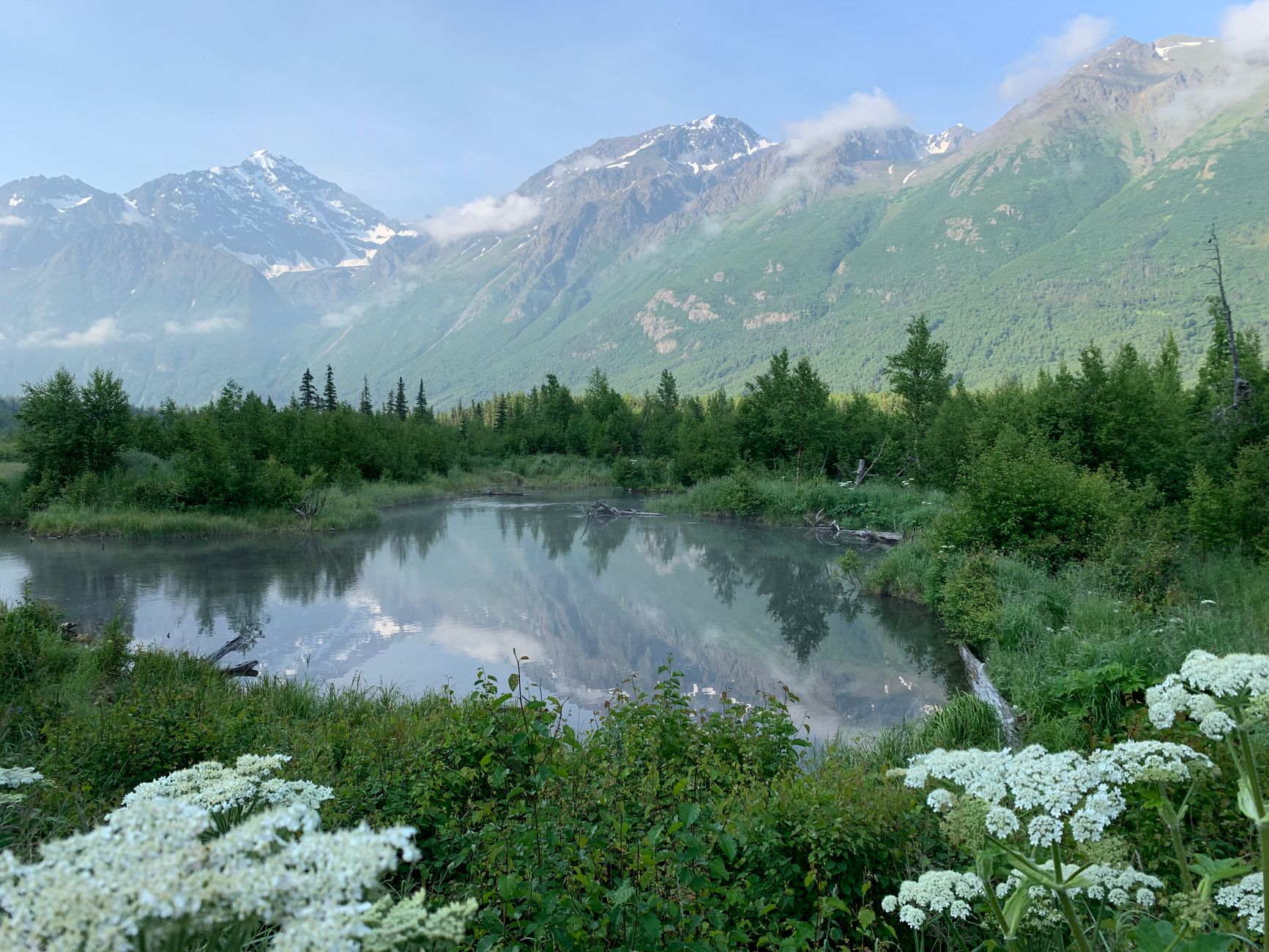
Alaska, with its vast wilderness, towering mountains, and diverse wildlife, is a destination that beckons travelers for various experiences. However, determining the best time to visit can greatly impact the kind of vacation you have. From summer hikes and wildlife watching to winter sports and spectacular Northern Lights, each season offers unique attractions.
Understanding the pros and cons of each season will help you select the right time based on your interests and what you want to achieve during your visit to this incredible state.
When Is The Best Time To Go To Alaska?
The best time to visit Alaska largely depends on what activities you want to experience. Generally, summer (mid-May to mid-September) is ideal for outdoor adventures, while winter (December to March) is perfect for winter sports and viewing the Northern Lights.
Understanding Alaska’s Seasons
Alaska’s seasons are quite distinct, and each brings its own charm and opportunities. Here’s a breakdown of what to expect.
Spring (March to May)
Spring in Alaska brings a gradual warming of temperatures and the melting of snow. This season is marked by vibrant blooms and the reawakening of wildlife.
- Wildlife Viewing: You can witness migratory birds returning from the south, along with seals giving birth to pups on ice floes.
- Less Crowded: Spring often sees fewer tourists, allowing for a more peaceful experience.
- Cool Temperatures: Expect temperatures to range from 32°F to 60°F, depending on the month.
Summer (Mid-May to Mid-September)
Summer is the peak season for traveling to Alaska, offering long days filled with endless daylight and thriving wildlife.
- Warm Weather: Temperatures typically range between 60°F and 80°F, perfect for outdoor activities.
- Outdoor Adventures: Ideal for hiking, fishing, kayaking, and exploring national parks.
- Wildlife Spotting: Increased chances of seeing bears, moose, bald eagles, and whales.
- Festivals: Many local festivals and events take place during summer months.
Fall (September to November)
Fall in Alaska is a transitional period characterized by stunning autumn colors and a significant drop in tourism.
- Fall Foliage: Beautiful hues of yellow, orange, and red blanket the landscapes.
- Less Crowded: Similar to spring, you’ll enjoy fewer crowds and potentially lower prices.
- Wildlife Migration: Witness the migration of animals preparing for winter, including moose and caribou.
- Chilly Weather: Expect temperatures between 30°F to 60°F; be prepared for sudden changes.
Winter (December to March)
Winter transforms Alaska into a winter wonderland, making it perfect for snow enthusiasts and those wanting to experience the Northern Lights.
- Winter Sports: Ideal for skiing, snowboarding, snowshoeing, and dog sledding.
- Northern Lights: The chance to witness the aurora borealis in dark, clear skies.
- Cold Conditions: Expect temperatures from -10°F to 30°F; complete winter gear is essential.
- Unique Events: Many communities host winter festivals showcasing local culture.
Best Activities by Season
Choosing the right time to visit Alaska can help you focus on specific activities you’re most interested in. Here’s your seasonal guide to activities.
Spring Activities
- Birdwatching: Spring is the best time to see migratory birds at various wildlife refuges.
- Fishing: Angling opportunities increase as streams and rivers thaw.
- Wildflower Viewing: Trails and parks come alive with colorful blooms.
Summer Activities
- Hiking: Iconic trails like the Harding Icefield Trail and Denali National Park offer stunning views.
- Fishing Tours: Experience world-class fishing for salmon and halibut.
- Cruises: Wildlife and glacier cruises around the Inside Passage and Kenai Fjords.
- Camping: Enjoy camping in national parks under long daylight hours.
Fall Activities
- Photography: Fall colors provide breathtaking landscapes, ideal for photography enthusiasts.
- Harvest Festivals: Experience local culture and cuisine at various harvest festivals.
Winter Activities
- Skiing: Popular destinations include Girdwood and Alyeska Resort.
- Dog Sledding: Experience the thrill of mushing through snowy landscapes.
- Northern Lights Tours: Book guided tours to witness the breathtaking aurora borealis.
Getting There and Getting Around
Traveling to and within Alaska requires careful planning, especially considering the vast distances involved.
How to Get to Alaska
- By Air: Major airlines operate flights to Alaska, with Anchorage and Fairbanks being the primary airports. Expect higher prices during peak seasons.
- By Road: The Alaska Highway is the main route into the state from Canada; however, prepare for long stretches and possible road conditions.
- By Sea: Cruise ships offer convenient travel to various coastal towns, often including port stops in Anchorage, Juneau, and Ketchikan.
Getting Around Alaska
- Car Rentals: The best option for exploring remote areas; however, book in advance during peak season.
- Public Transport: Cities like Anchorage have bus systems, but services may be limited outside urban areas.
- Train: The Alaska Railroad offers scenic routes connecting major attractions.
Where to Stay by Area
The type of accommodation you choose can significantly enhance your Alaska experience. Here’s an overview of lodging options based on location.
Anchorage
- Hotels: Ranged from budget options to luxury hotels with views of the mountains.
- Hostels: Affordable choice for solo travelers and those on a budget.
- Vacation Rentals: Great for families or larger groups looking for home-like amenities.
Fairbanks
- Hotels: Popular for travelers seeking to view the Northern Lights.
- Bed and Breakfasts: Charming, intimate stay options that often showcase local history.
Seward and Resurrection Bay
- Bed and Breakfasts: Often provide stunning views and are family-run.
- Cabins: Unique stays near national parks, ideal for experiencing nature hands-on.
Planning Your Budget
Traveling in Alaska comes with varied expenses depending on the time of year, activities, and accommodations chosen. Here are some budgeting tips to keep in mind.
General Budget Considerations
- Accommodation: Costs vary greatly; expect to pay around $100 to $400 per night depending on location and season.
- Food Costs: Dining in major cities is pricier; consider grocery shopping for meals if you have cooking options.
- Activities: Plan for activity costs; national park fees, tours, and excursions can quickly add up.
Saving Tips
- Traveling Off-Peak: Consider visiting during shoulder seasons (spring or fall) for lower prices.
- Package Deals: Look for travel packages that combine lodging, activities, and transportation for savings.
- Free Activities: Take advantage of free outdoor activities such as hiking and wildlife viewing in national parks.
Length of Stay Recommendations
Alaska’s vastness can make it challenging to decide how long to stay. Here are some suggestions based on your interests.
- Short Trip (3-5 Days): Perfect for those focusing on Anchorage and nearby attractions like Whittier or Seward.
- Moderate Trip (7-10 Days): Allows for exploring multiple regions, including Fairbanks and Denali National Park.
- Extended Trip (2 weeks or more): Great if you want to experience various corners of the state, including the Inside Passage via cruise.
Family and Solo Travel Considerations
Whether you are traveling with family or solo, Alaska has something to offer everyone.
Traveling with Family
- Family-Friendly Activities: Look for kid-friendly tours, such as wildlife parks or interactive museums.
- Safety Tips: Ensure children are monitored, especially during outdoor activities such as hiking and wildlife viewing.
- Accommodations: Rent family-sized lodging with kitchens for self-catering options.
Traveling Solo
- Safety Precautions: Always inform someone of your plans when hiking or venturing into wilderness areas.
- Social Opportunities: Join guided tours or group activities to meet fellow travelers.
Conclusion
Choosing the best time to visit Alaska ultimately depends on your interests and the experiences you seek. Each season has its unique charm, offering a variety of outdoor adventures and cultural experiences. Whether you’re drawn to the summer’s lush landscapes, the vibrant colors of fall, or the breathtaking Northern Lights in winter, planning according to the best time for your desired activities will ensure an unforgettable journey.
For further explorations, check out related destination guides and travel-planning articles such as where to see the Northern Lights or things to do in Victoria, BC.