
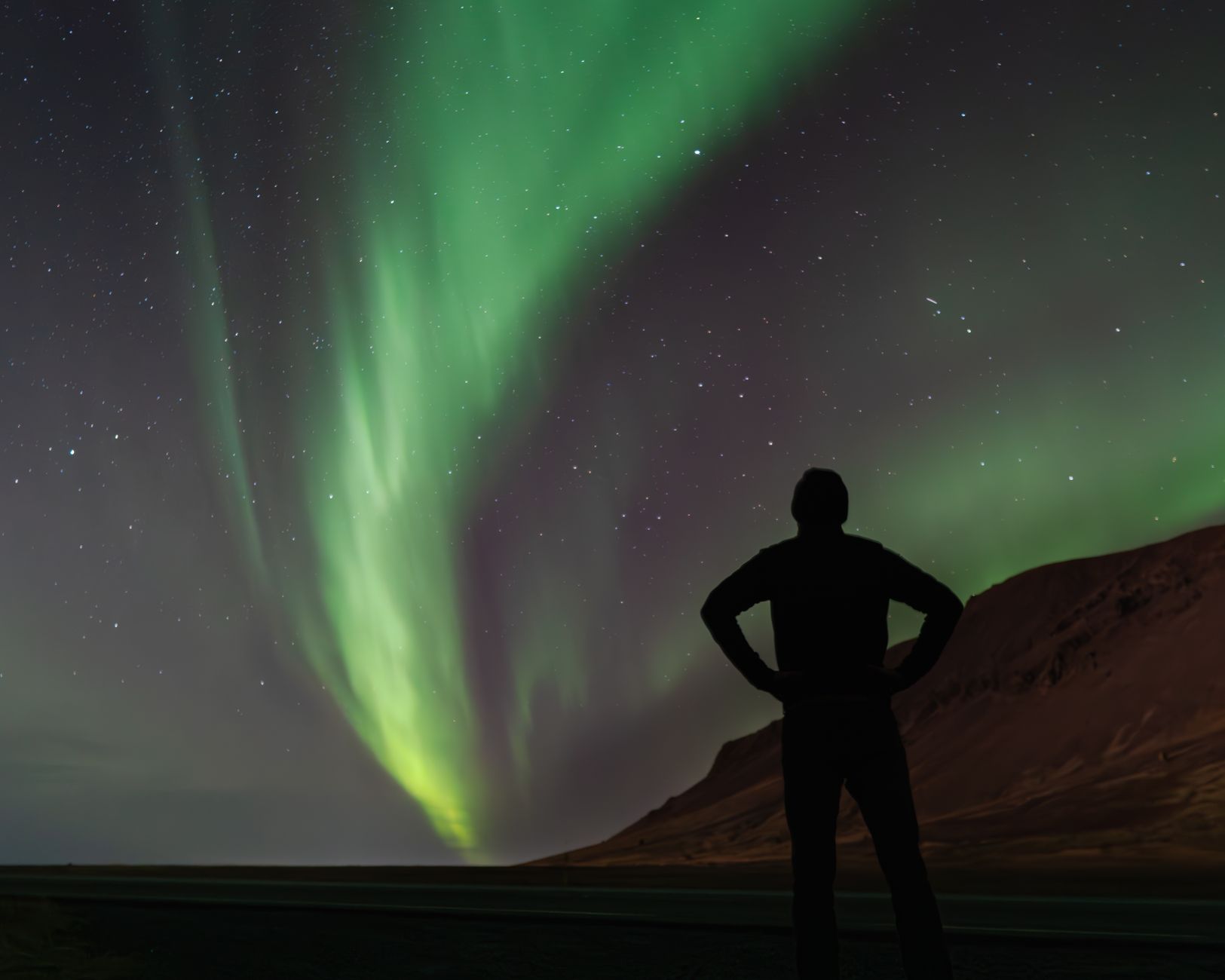
The Northern Lights, or Aurora Borealis, draw travelers from all over the world to experience their breathtaking beauty. However, determining the best time to see this natural wonder requires some understanding of various factors like geography, weather, and solar activity. This guide will help you plan your trip to witness the Northern Lights in their full glory.
Seeing the Northern Lights is not just a visual treat; it’s a unique experience that can complement itineraries in several northern regions. This article explores the best times of year, tips for planning your visit, and the best locations for viewing the auroras.
When Is The Best Time To See The Northern Lights?
The best time to see the Northern Lights typically ranges from late September to early April, with the peak months being December to March. This period offers the longest nights and often clear skies in the northern regions where aurora activity is high.
Understanding Aurora Activity
The Northern Lights are created by charged particles from the sun colliding with atoms in Earth’s atmosphere, producing stunning light displays. Solar activity follows an approximately 11-year cycle, affecting the frequency and intensity of auroras. Being aware of solar activity can significantly enhance your viewing chances.
Solar Cycle and Its Impact
The solar cycle’s peak periods, known as solar maxima, often coincide with increased auroral activity. When planning your trip to see the Northern Lights, consider aligning your visit with these peak times. The last solar maximum occurred in 2014, and the next is expected around 2025, which means you can expect exciting auroral displays in the years leading up to this peak.
The Best Months to See the Northern Lights
While the Northern Lights can be seen any time during the aurora season, certain months yield better experiences. Here’s a breakdown of the ideal months for viewing:
- September to October: Early fall is a great time for aurora viewing, as nights grow longer and milder temperatures prevail. The autumn equinox typically results in increased solar activity, making this a fruitful time for observation.
- November to March: These months represent the peak aurora season. The nights are longest, and the cold, dry air in many regions can lead to clearer skies, reducing weather-related obstructions. December through February is particularly promising, but be prepared for frigid temperatures.
- April: The aurora activity decreases after March, but early April can still provide spectacular views. As spring progresses, nights shorten but offers colorful displays due to lingering polar night conditions.
Optimal Locations for Aurora Viewing
Not all northern locations provide equal opportunities for witnessing the Northern Lights. Here are some top destinations known for their excellent aurora viewing conditions:
1. Tromsø, Norway
Tromsø is often dubbed the “Gateway to the Arctic” and is a premier destination for aurora watchers. The surrounding fjords and mountains provide dramatic backdrops, and the city’s accessibility makes it easy to arrange tours. The ideal viewing months for Tromsø are from late September to early April.
2. Fairbanks, Alaska
Fairbanks ranks high on the list of best places to watch the Northern Lights in the United States. The city typically experiences clearer skies compared to coastal areas. The aurora viewing season runs from late August through April, with peak activity in late winter.
3. Reykjavik, Iceland
In Iceland, you can enjoy the Northern Lights along with stunning landscapes filled with volcanoes, hot springs, and glaciers. Best viewed from September through April, many tour operators offer northern lights trips from Reykjavik and surrounding areas, taking you to spots away from city lights.
4. Yellowknife, Canada
Known as the “Aurora Capital of Canada,” Yellowknife offers some of the most reliable aurora sightings. Located on the northern shore of Great Slave Lake, the conditions are often perfect for observing the lights from mid-November to early April.
5. Lapland, Finland
Lapland provides a fantastic experience not just for aurora viewing but for immersive cultural experiences. Rovaniemi and other areas in Finnish Lapland offer tours and accommodations specifically for northern lights seekers, especially from late September to March.
Weather Conditions and Their Role
Weather is a crucial factor in successfully viewing the Northern Lights. Clear skies are essential, as clouds can block visibility. It’s important to monitor both the weather and auroral forecasts to maximize your chances.
Checking the Aurora Forecast
Aurora forecasts are available on various platforms, including websites and apps that track solar activity and geomagnetic storms. These resources can greatly assist in deciding when to head out and where to go for the best views.
Understanding Local Weather Patterns
Each destination has its own unique climate patterns, which can affect your experience. For example, coastal areas may have more cloud cover, while inland areas might offer clearer skies. Researching the climate of your destination can help better inform your plans.
Best Practices When Planning Your Trip
To ensure a successful Northern Lights experience, following a few best practices can increase your chances of capturing this stunning display.
- Stay Longer: A minimum stay of three to five days increases the likelihood of favorable weather and aurora sightings. This also allows time for flexibility in your plans based on reports.
- Avoid Light Pollution: Get as far away from city lights as possible. Many popular viewing spots provide tours to remote locations specifically designed for experiencing the auroras.
- Be Prepared: Dress in warm layers, as you’ll likely be outside for an extended time in cold conditions. Bring a thermos of hot drinks, camera gear, and a tripod for long exposure shots.
Travel Tips for Northern Lights Viewing
Here are some helpful tips to enhance your Northern Lights experience:
1. Choose the Right Accommodation
Look for lodgings that offer aurora wake-up calls or are designed with large windows for optimal viewing. Some hotels even have outdoor viewing areas to see the lights from the comfort of your room.
2. Consider Guided Tours
Joining a guided tour can provide access to expert knowledge and remote locations that may not be easily reachable. Professional guides are also well-versed in the best photographic techniques, ensuring you won’t miss capturing the moment.
3. Stay Flexible
Being flexible with your itinerary is crucial. Weather and solar activity can sometimes be unpredictable. Allow yourself time to move based on the latest forecasts and recommendations from locals or tour operators.
4. Be Patient
Viewing the Northern Lights often requires patience. Spend time enjoying the night sky and the surrounding beauty rather than continuously checking your watch. The lights can be elusive but well worth the wait when they finally appear.
Photography Tips for Capturing the Northern Lights
For those looking to photograph the Northern Lights, specific tips can help ensure you capture stunning images:
- Use a Tripod: A sturdy tripod is essential for long exposure shots.
- Set a High ISO: A higher ISO setting can capture more light, but balance it with your camera’s capacity to minimize noise.
- Long Exposure: Set your shutter speed to 15-30 seconds to capture the movement of the lights.
- Manual Focus: Autofocus may struggle in low light. Use manual focus to ensure clarity.
Budget Considerations
When planning your Northern Lights trip, consider your budget as it can vary significantly based on location, type of accommodation, and additional activities.
Flight and Transport Costs
Airfare to your chosen destination can range significantly. Additionally, consider transportation costs within the destination, including rental cars, public transport, or guided tours.
Accommodation Prices
Accommodation costs generally increase during peak aurora season. Consider various options, from hotels to hostels and even camping for the adventurous. It’s often worth booking in advance to secure better rates.
Additional Expenses
Account for meals, activities, and potential tours focused on Northern Lights viewing. Many guided tours may charge additional fees, so it is wise to establish an overall budget for activities.
Best Practices for Safety and Responsibility
While enjoying the Northern Lights, it’s important to be mindful of your surroundings and consider safety and environmental factors.
1. Dress Appropriately
Dressing in layers is crucial for comfort in cold conditions. Ensure you have appropriate winter gear, and don’t forget hats, gloves, and insulated footwear.
2. Respect Local Communities
When traveling to remote places, ensure you respect local customs and communities. Avoid disturbing wildlife and leave no trace to preserve the natural environment.
3. Stay Aware of Geographical Hazards
Some viewing locations may have challenging terrain. Research local weather conditions and stay on marked paths to ensure safe navigation.
Final Thoughts
Experiencing the Northern Lights is indeed a spectacle that combines natural beauty with adventure. With thoughtful planning, you can optimize your chances of witnessing this magical phenomenon and create lasting memories.
Next, explore related destination guides and travel-planning articles like where is the best place to see the Northern Lights, and when is the best time to see the Northern Lights. These resources will help you further plan your dream trip.