
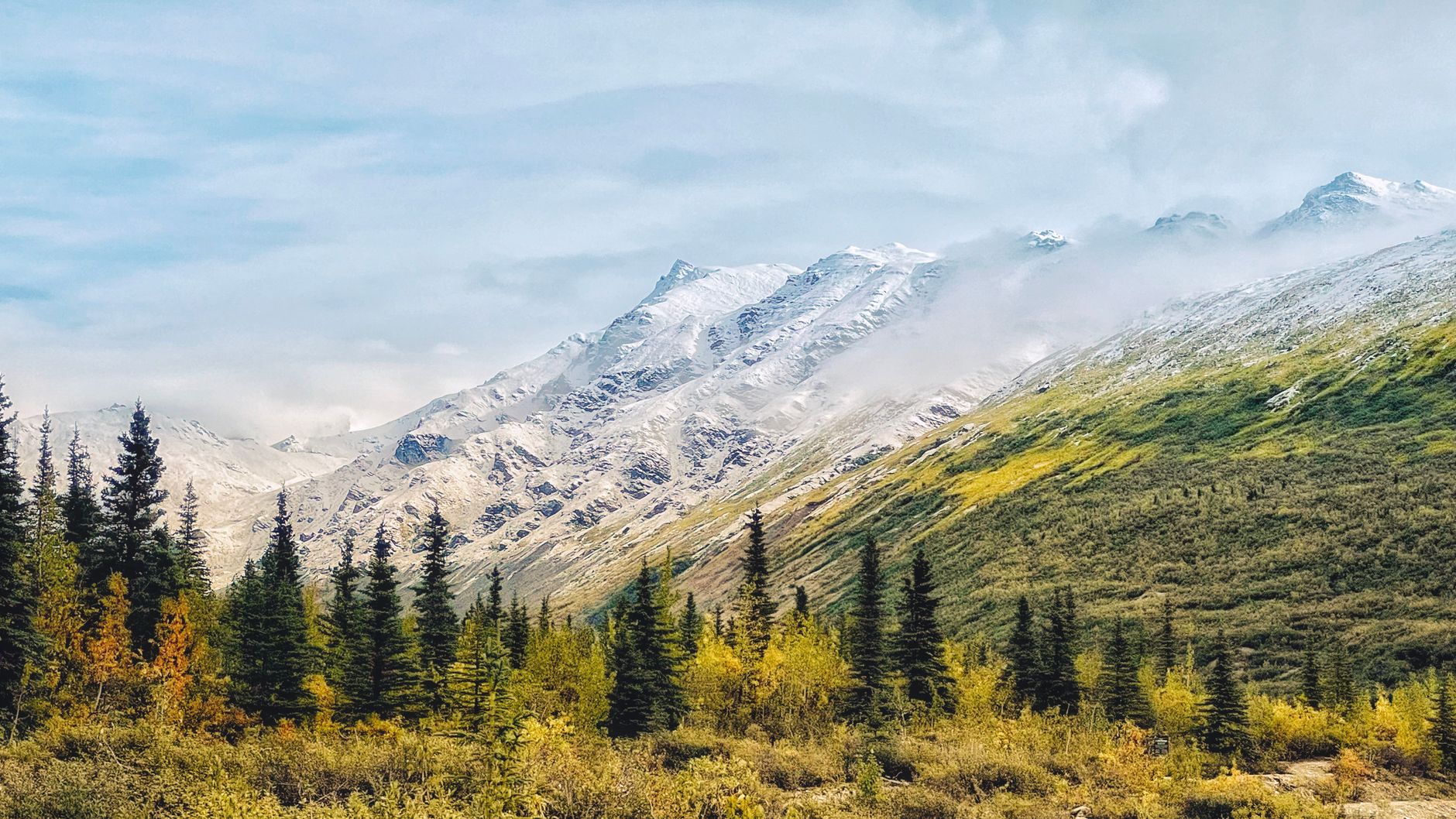
Alaska, known for its stunning natural beauty and diverse wildlife, is a premier destination for outdoor enthusiasts, adventure seekers, and those looking to experience unique cultures. Planning the best time to visit Alaska can significantly enhance your experience. The timing of your visit may influence activities you can enjoy, the weather you may encounter, and even the costs associated with your trip.
This guide will walk you through all the essential aspects of determining the best time to visit Alaska, considering seasonal nuances, activities suited for different times of the year, and practical travel tips to ensure a successful trip.
When Is The Best Time To Visit Alaska?
The best time to visit Alaska largely depends on what you want to do during your trip. Generally, the summer months of June through August are ideal for most tourists, offering the warmest temperatures, extended daylight hours, and plentiful opportunities for outdoor activities. However, if you’re looking to experience winter sports or the northern lights, visiting between December and March is preferable.
Understanding Alaska’s Seasons
Alaska experiences four distinctive seasons: winter, spring, summer, and fall. Each season presents its own unique experiences, offering different weather, wildlife sightings, and available activities.
Winter (December to March)
Winter in Alaska can be harsh, with temperatures often dropping below freezing, especially in the northern regions. However, this season is perfect for winter sports enthusiasts.
- **Activities:** Skiing, snowboarding, snowshoeing, and dog sledding are popular. The northern lights are visible frequently during this time.
- **Event Highlights:** The Iditarod Trail Sled Dog Race takes place in early March, showcasing the incredible endurance of both the mushers and their dogs.
- **Wildlife Viewing:** Although wildlife is less active in winter, you can see moose, and if you’re lucky, visit various hot springs inhabited by critters.
Spring (April to May)
Spring marks the transition from winter to summer and offers a delightful experience for visitors. The weather starts to warm up, and wildlife begins to reappear.
- **Activities:** Spring is ideal for bird watchers as migratory birds return. Hiking and fishing become more popular as the ice melts.
- **Event Highlights:** The Fur Rendezvous Festival in Anchorage celebrates winter sports and Alaskan culture, typically held in late February to early March, but early spring events are known to continue.
- **Wildlife Viewing:** Bears emerge from hibernation, and baby animals begin to appear, offering fantastic wildlife viewing opportunities.
Summer (June to August)
Summer is peak tourist season in Alaska, and for good reason. The weather is warm, with long daylight hours, perfect for exploring the great outdoors.
- **Activities:** Hiking, fishing, kayaking, and wildlife viewing dominate. It’s also an excellent time for cruise vacations around coastal areas.
- **Event Highlights:** The summer solstice celebrations, state fairs, and numerous music festivals take place across various Alaskan cities.
- **Wildlife Viewing:** Summer is the best time to see whales, seals, and a variety of birds, along with moose, caribou, and bears, especially in national parks.
Fall (September to November)
Fall is a time of spectacular colors as leaves change, and tourist crowds begin to dwindle. Temperatures start to drop, signaling the approach of winter.
- **Activities:** Hiking trails offer beautiful views for fall foliage, and fishing remains good in early September. Wildlife activity is still high as animals prepare for winter.
- **Event Highlights:** The Alaska State Fair occurs in late August to early September, showcasing local produce and craftsmanship.
- **Wildlife Viewing:** This is a great season to see bears preparing for hibernation as they feed heavily on salmon in rivers.
Key Factors to Consider for Your Visit
When deciding on the best time to visit Alaska, consider the following factors to align your trip with your interests and expectations:
Activities and Attractions
Different seasons cater to specific activities. If you’re drawn to summer adventures like hiking and wildlife cruises, visiting from June to August is ideal. Meanwhile, if winter sports or seeing the northern lights are priorities, the winter months will be more suitable.
Weather Expectations
Alaska’s weather can be unpredictable, even during the summer. Coastal regions tend to be milder and wetter, while interior areas experience more dramatic temperature swings.
- **Summer:** Average temperatures range from 60°F to 80°F, especially in Anchorage and Fairbanks.
- **Winter:** Expect temperatures from 0°F to 30°F, with colder extremes in the northern regions.
Crowds and Costs
Visiting during peak summer season will likely come with higher prices for accommodations and tours, and attractions may be crowded. Shoulder seasons—late spring and early fall—can offer a balance of decent weather with fewer tourists and lower prices.
Suggested Itineraries Based on the Season
Here’s a suggested itinerary based on a one-week trip to Alaska, breaking it down by season:
Summer Itinerary (7 Days)
- Day 1: Arrive in Anchorage, explore local parks and museums.
- Day 2: Take a day trip to Seward to visit Kenai Fjords National Park.
- Day 3: Drive to Denali National Park for wildlife viewing and hiking.
- Day 4: Explore Denali further, take a bus tour for deeper park experience.
- Day 5: Visit Fairbanks and experience the history and culture.
- Day 6: Explore North Pole, Alaska, and return to Anchorage.
- Day 7: Relax in Anchorage and depart.
Winter Itinerary (7 Days)
- Day 1: Arrive in Anchorage, explore local winter events.
- Day 2: Spend the day skiing at Alyeska Resort.
- Day 3: Go dog sledding near the Matanuska-Susitna Valley.
- Day 4: Travel to Fairbanks, enjoy ice sculpting and Northern Lights viewing.
- Day 5: Visit Chena Hot Springs for relaxation and more Northern Lights.
- Day 6: Join a snowmobiling tour in Fairbanks.
- Day 7: Depart from Fairbanks or return to Anchorage.
Getting There and Getting Around
Reaching Alaska can be accomplished via air or road. Most popular routes are through major airlines that fly into Anchorage or Fairbanks, with connections to smaller towns available.
Air Travel
The most common way to reach Alaska is to fly. Major airlines provide services to various cities in Alaska primarily from the contiguous United States:
- **Anchorage** is the most trafficked airport and serves as a hub for domestic flights.
- **Fairbanks and Juneau** also have airports with regular service from major cities.
Road Travel
If you are planning a road trip, the Alaska Highway is a popular route from Canada, offering beautiful scenery along the way. For short trips between towns, rental cars and RV options are readily available.
Public Transportation
While public transportation exists in urban areas, it may be limited in rural regions. Buses are available in Anchorage and Fairbanks and can help access nearby attractions.
Where to Stay in Alaska
Accommodation options in Alaska range from hotels and lodges to campgrounds and vacation rentals. Here’s a breakdown of what to expect:
Hotels and Lodges
Major towns like Anchorage, Fairbanks, and Juneau have a variety of hotels and lodges, offering amenities like restaurants, guides for tours, and activities:
- **Luxury:** Many lodges in Denali offer upscale accommodations with spectacular views.
- **Mid-range:** Look for local hotels in Anchorage that provide comfortable amenities and are centrally located.
- **Budget:** Hostels or budget hotels can be found in larger cities, with more options available during the summer months.
Camping
For those eager to immerse themselves in nature, camping is a fantastic option, especially in the summer. National Parks like Denali offer campgrounds, but early reservations are recommended during peak season.
Unique Stays
You can also explore unique accommodation options such as cabins, yurts, and even Glamping in some remote areas of Alaska.
Budget Considerations and Practical Tips
Budgeting for your trip to Alaska will depend on your travel style, activities, and accommodation preferences. Here are some practical tips to help you plan:
Expenses to Expect
When budgeting for your trip, consider these typical expenses:
- **Accommodation:** Costs can vary widely, from $30 for campgrounds to over $300 for hotels. Book in advance for the best rates.
- **Meals:** Eating out can be expensive; budget around $15-$30 per person for moderate dining.
- **Activities:** Tours and activities may average $100-$300, depending on your plans.
Saving Money
- Travel during shoulder seasons to save on accommodation and flights.
- Consider choosing grocery stores over dining out to keep food costs low.
- Many trails and parks have free access or charge nominal fees.
To maximize your experience without breaking the bank, explore local attractions, take advantage of free events, and bring outdoor gear to avoid rental fees.
Accessibility and Travel Considerations
Alaska is generally accessible, but there are important considerations for travelers with mobility issues. Major cities have facilities and public transportation that accommodate various needs.
Family Travel
Alaska is a fantastic destination for families, but planning is crucial. Ensure activities are suitable for all ages, and consider guided tours that cater to family groups.
Solo Travel
Traveling solo in Alaska can be incredibly rewarding. Many hostels and lodges offer communal spaces that help solo travelers meet others. Always prioritize safety, stay aware of your surroundings, and let someone know your plans when venturing into remote areas.
Conclusion
Choosing the best time to visit Alaska hinges on your interests, budget, and how you prefer to explore. Summer presents endless possibilities for activity and wildlife viewing, while winter is enchanting for those seeking winter sports and the northern lights. With careful planning, your trip to Alaska can be an unforgettable experience that aligns perfectly with what you wish to experience.
For further information on travel planning, explore our related guides on seeing the northern lights and things to do in Victoria, BC.