
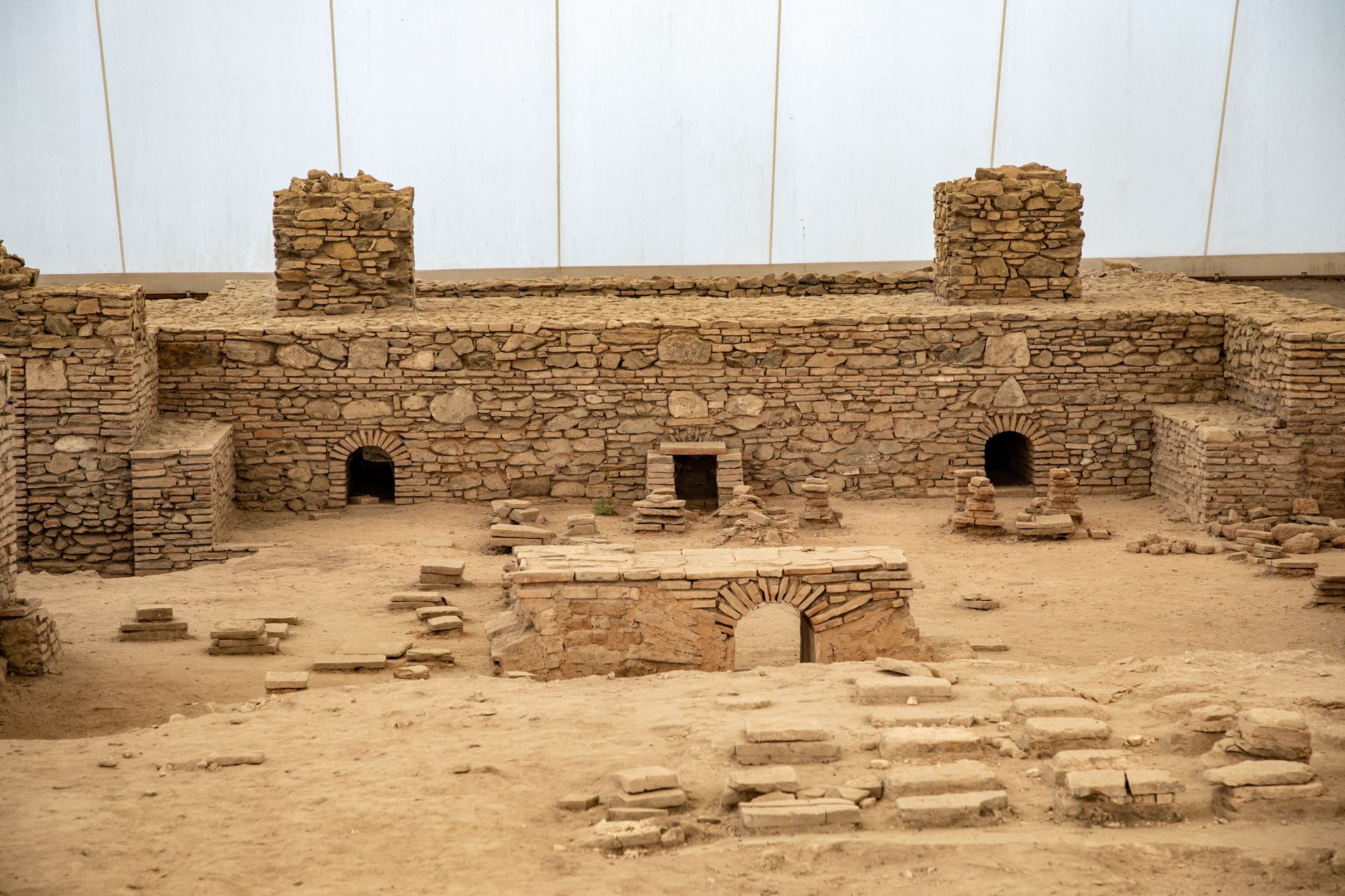
The burial site of Mary Magdalene, an important figure in Christian tradition, is steeped in history and mystery. Her final resting place is often associated with multiple locations, but the most recognized site is in Sainte-Baume, France. This travel guide will explore the significance of her burial site, the best ways to visit, and what to expect when you arrive.
Mary Magdalene’s story is captivating, and visiting her burial site provides insight into the early Christian community and the reverence held for this influential woman. The Sainte-Baume region is not only beautiful but rich in culture and religious significance, making it a great destination for those interested in religious history, hiking, and nature.
Where Is Mary Magdalene Buried?
Mary Magdalene is believed to be buried in the grotto of Sainte-Baume, located in the Var region of Provence, France. According to tradition, she spent the last years of her life in this region, where she was venerated as a saint. Her tomb is located near a monastery that was built in her honor, providing a focal point for pilgrims and visitors alike.
Significance of the Burial Site
The grotto at Sainte-Baume is significant for several reasons. It is not just a burial site; it is said to be the place where Mary Magdalene spent her last years in prayer and reflection after the death of Jesus. The site has attracted pilgrims since the early Middle Ages and has maintained its importance in Christian tradition.
- Historical Importance: The grotto and surrounding area are rich in religious tradition, believed to be the sanctuary of many early Christians.
- Cultural Impact: Mary Magdalene is often depicted in art and literature, with the site serving as an inspiration for countless works.
- Pilgrimage: Sainte-Baume attracts many pilgrims each year, reflecting its enduring significance in the Christian faith.
Planning Your Visit to Sainte-Baume
For those interested in visiting the burial site of Mary Magdalene, careful planning will enhance your experience. Here’s a detailed guide on how to make the most of your trip.
Best Time to Visit
When planning your visit, consider the weather and tourist seasons:
- Spring (March to May): Ideal for mild weather and blooming flowers. Fewer crowds make for a more peaceful experience.
- Summer (June to August): Warm but crowded, with many pilgrims and tourists. Expect higher temperatures and limited accommodations.
- Fall (September to November): Another great time to visit with comfortable temperatures and reduced crowds.
- Winter (December to February): Cooler weather and the potential for rain. Some paths may be less accessible.
Getting There
Sainte-Baume is easily accessible from major cities in France. Consider the following options:
- By Plane: The nearest major airport is Marseille Provence Airport (MRS), approximately 40 km away. From there, you can rent a car or take public transport.
- By Train: The nearest train stations are in Aix-en-Provence or Marseille. From these towns, you can take a bus or taxi to Sainte-Baume.
- By Car: Renting a car is the most convenient way to explore the region at your own pace.
Getting Around
Once you arrive in Sainte-Baume, getting around can be straightforward:
- Walking: The area around the grotto is suitable for walking, with designated paths leading to the significant sites.
- Biking: Consider renting a bike to explore the surrounding pine forests and picturesque landscapes.
- Guided Tours: Local tours often combine transportation with insightful commentary about the region’s history.
Exploring the Sainte-Baume Region
The Sainte-Baume region is more than just the burial site. It offers various attractions and activities for visitors.
Attractions to Visit
Alongside the grotto where Mary Magdalene is believed to be buried, there are several must-see sites:
- The Grotto of Sainte-Baume: This is the main attraction where Mary is said to have lived. Inside the grotto, visitors can find a small altar and peaceful areas for reflection.
- Saint-Maximin-la-Sainte-Baume: This nearby town is home to the Basilica of Saint Mary Magdalene, which contains what are believed to be relics of Mary Magdalene.
- La Sainte-Baume Natural Regional Park: Surrounding the grotto, the park offers beautiful hiking trails, stunning views, and natural beauty worth exploring.
- Le Palais des Papes: Located in nearby Avignon, this UNESCO World Heritage site showcases Gothic architecture and historical significance.
Suggested Itineraries
If you have more than one day to explore the region, consider these itineraries that offer varied experiences:
Day 1: Pilgrimage and Reflection
- Start your day at the Grotto of Sainte-Baume to explore the site and enjoy a moment of reflection.
- Visit the nearby monastery to learn about its history.
- Spend the afternoon hiking in La Sainte-Baume Natural Regional Park.
- Return to your accommodation for a quiet evening.
Day 2: Cultural Exploration
- Head to Saint-Maximin-la-Sainte-Baume to visit the Basilica in the morning.
- Stop for lunch at a local café or restaurant.
- In the afternoon, visit the town of Aix-en-Provence to discover its history and enjoy the vibrant artist scene.
- Enjoy a leisurely dinner at a local eatery.
Accommodation Options
Finding the right accommodation will enhance your experience in the Sainte-Baume region.
Where to Stay
Consider the following options based on your preferences:
- Hotels: There are several hotels in the nearby towns, offering convenient access to Sainte-Baume while ensuring comfort.
- Bed and Breakfasts: For a more personal experience, many local residents offer B&B accommodations, providing a welcoming atmosphere.
- Campsites: If you enjoy nature, consider camping in the area for an immersive experience among the scenic landscapes.
Local Cuisine and Dining
Sampling local cuisine is an essential part of any travel experience. In the Sainte-Baume region, you can savor traditional Provençal dishes in various establishments.
What to Eat
When visiting, make sure to try local specialties:
- Ratatouille: A classic vegetable dish, perfect for summer evenings.
- Tapenade: A flavorful olive spread typically served with fresh bread.
- Calissons: A popular local confection made from ground almonds and candied fruit, great for a sweet treat.
- Local Wines: The region is known for its vineyards; try a glass of Rosé from Provence.
Preparing for Your Trip
Preparation is key for an enjoyable visit to the grotto and its surroundings. Here are a few essential tips:
Packing List
- Comfortable Footwear: Since walking and hiking are key activities, sturdy shoes are a must.
- Weather-Suitable Clothing: Check the weather forecast and pack layers for comfort throughout your visit.
- Water Bottle: Stay hydrated during your explorations.
- Camera: Capture the stunning views and serene moments along your journey.
- Personal Items: Don’t forget your toiletries and any necessary medications.
Respectful Visitor Behavior
As you explore sacred sites, keep these respectful behaviors in mind:
- Maintain silence in places of worship and during moments of reflection.
- Be respectful of other visitors and pilgrims, as this is a significant location for many.
- Cautiously navigate the trails and grotto areas, ensuring others can enjoy the surroundings.
Typical Budget Considerations
Understanding the costs associated with your travel can help you plan effectively:
- Accommodations: Prices vary widely, with budget options starting around €60-80 per night for basic hotels and B&Bs, while more luxurious accommodations may exceed €150.
- Food: Expect to spend around €15-25 per meal at a mid-range restaurant. Local markets and picnic lunches can be more budget-friendly.
- Transportation: If arriving by train, fares can vary; booking in advance often saves money.
- Entrance Fees: While many sites are free to enter, some may charge a small fee for guided tours or special access.
Accessibility Information
If you are considering a visit with mobility challenges, it’s important to note that:
- Road access is good, but trails can be steep in places. Always check specific paths for suitability.
- The grotto may have limited access for those with mobility impairments; contacting local guides for personalized assistance is advisable.
- Local accommodations can vary in terms of accessibility — make sure to inquire when booking.
Mary Magdalene’s burial site at Sainte-Baume offers a deeply spiritual experience combined with rich natural beauty. Whether you’re a pilgrim seeking sacred connection or a traveler exploring local culture, this destination caters to diverse interests. Embrace the serene environment, contemplate the historical significance, and delve into the remarkable journey of this revered figure.
Your next step is to plan your visit. Remember to check local resources for the most up-to-date information on transportation and accommodations. As you prepare, you might also be interested in exploring related destination guides, itineraries, or travel-planning tips to enhance your journey.