
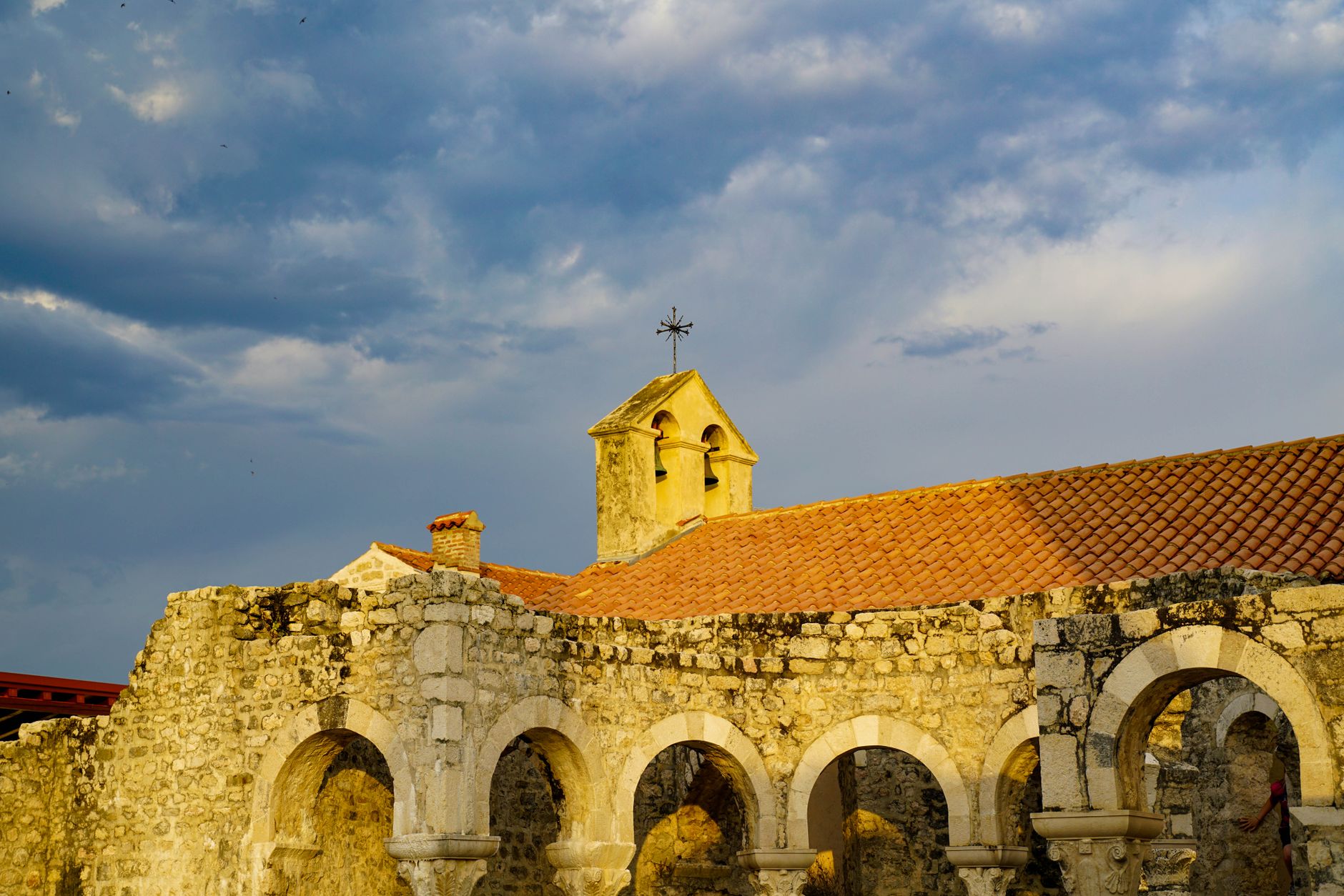
The Holy Land is a geographically significant region in the Middle East that holds immense religious importance for Judaism, Christianity, and Islam. This area encompasses parts of modern-day Israel, Palestine, and Jordan, with its most renowned city being Jerusalem. Ultimately, the Holy Land offers a unique combination of spiritual heritage, historical landmarks, and stunning landscapes.
Traveling to the Holy Land allows visitors to experience ancient sites, diverse cultures, and vibrant communities. Whether you are on a pilgrimage, seeking to explore history, or simply indulging in the rich local cuisine, this destination is packed with experiences that will appeal to a variety of travelers. Here, you will find a guide to navigate this profound part of the world.
Where Is The Holy Land?
The Holy Land comprises a region that includes parts of Israel, Jordan, and Palestine, specifically, areas that are biblically significant. Key locations include Jerusalem, Bethlehem, Nazareth, and the Jordan River. Travelers can expect to encounter numerous sacred sites that are crucial to understanding the religious narratives of the area.
What Makes the Holy Land Worth Visiting?
The Holy Land is a unique convergence of historical, cultural, and religious significance. It offers visitors the chance to explore sacred sites like the Western Wall, the Church of the Holy Sepulchre, and the Dome of the Rock. Each of these locations holds a deep significance in the Abrahamic religions. Moreover, the region is characterized by its stunning landscapes, from the verdant hills of Galilee to the stark beauty of the Dead Sea.
This destination suits a wide variety of travelers. Pilgrims visit to enrich their spiritual lives, while history buffs are drawn to archaeological sites. Adventure seekers can take advantage of outdoor activities, such as hiking in the mountains or swimming in the Dead Sea. Food lovers will also appreciate the area’s diverse culinary offerings.
Best Areas to Visit
Jerusalem
Jerusalem is the epicenter of spirituality and history in the Holy Land. The Old City, which is a UNESCO World Heritage site, is divided into four quarters: Jewish, Christian, Muslim, and Armenian. Key attractions include:
- The Western Wall
- The Church of the Holy Sepulchre
- The Dome of the Rock
- The Mount of Olives
Bethlehem
Just a short drive from Jerusalem, Bethlehem is famous as the birthplace of Jesus Christ. Visitors can explore:
- The Church of the Nativity
- The Milk Grotto
- The ancient fields of Boaz
Nazareth
Known as the childhood home of Jesus, Nazareth offers religious landmarks such as:
- The Basilica of the Annunciation
- The ancient Synagogue Church
- The Mount Precipice
The Dead Sea
The Dead Sea is renowned for having the lowest point on Earth and is famous for its therapeutic mineral-rich waters. Travelers can enjoy floating in the sea or visiting nearby sites like:
- Masada National Park
- Qumran Caves
Jordan River
This historic river marks a significant location for both Christianity and Judaism. Notable sites include:
- The baptismal site of Jesus Christ, known as Qasr al-Yahud
How to Get There
Getting to the Holy Land often starts in major cities like Tel Aviv, Jerusalem, or Amman. Here are the primary travel options:
By Air
Ben Gurion Airport (TLV) is the main international gateway to Israel, located about 30 minutes from Tel Aviv and 45 minutes from Jerusalem. Queen Alia International Airport (AMM) serves Jordan, offering connections to the Holy Land.
By Land
Travelers can cross into Israel from Jordan through the Allenby Bridge or from Egypt via the Taba border crossing. Be sure to check visa requirements and border policies beforehand.
Getting Around the Holy Land
Public transportation and car rentals are the most common ways to get around the Holy Land.
Public Transport
- Buses: Buses connect major cities and towns. The Egged bus service operates the majority of these routes.
- Trains: Israel Railways offers routes between various cities, including Tel Aviv and Haifa.
- Shared Taxis: Also known as “sheruts,” these share taxis operate on set routes and can be a convenient option.
Car Rentals
For those looking to explore more remote areas, consider renting a car. Traffic laws are similar to the U.S., and major rental companies operate in the region. Note that parking can be limited in cities like Jerusalem, so plan accordingly.
Accommodations in the Holy Land
The Holy Land has a wide range of accommodations, from luxury hotels to budget hostels. Here are some suggestions based on your travel style:
Luxury Hotels
- King David Hotel in Jerusalem
- Waldorf Astoria Jerusalem
- Dead Sea Marriott Resort & Spa
Mid-Range Hotels
- New Imperial Hotel in Jerusalem
- Arad Hotel in Tel Aviv
- Movenpick Resort & Spa Dead Sea
Budget Hostels
- Abraham Hostel in Jerusalem
- Tabar Hotel in Bethlehem
- Hostel in Nazareth
When to Visit the Holy Land
The best times to visit the Holy Land are during the spring (March to May) and fall (September to November), when the weather is mild and pleasant. Summer months can be scorching, especially in desert areas, and winter may bring rain and cooler temperatures.
Visitors should consider local holidays and religious observances, as these can affect hotel prices, availability, and attractions. Major holiday seasons like Passover and Ramadan are particularly busy.
Suggested Length of Stay
A typical visit to the Holy Land could range from five to ten days, allowing travelers to explore Jerusalem, Bethlehem, Nazareth, and the Dead Sea, while also experiencing the rich cultural aspects of the region. For those interested in hiking or extended religious observances, a longer stay may be ideal.
Budget Considerations
Traveling in the Holy Land can vary in cost, depending on your travel style and preferences. Here’s a basic breakdown:
Accommodation Costs
| Type | Estimated Price Per Night (USD) |
|---|---|
| Luxury Hotels | 200 – 500+ |
| Mid-Range Hotels | 100 – 200 |
| Budget Hostels | 20 – 100 |
Meal Costs
Meals can range from inexpensive street food at $5 to $15 at local restaurants, while dining at upscale establishments can cost between $25 and $60 per person.
Transportation Costs
Transportation varies widely based on mode and distance. Public buses are often inexpensive, costing a few dollars, while taxis might incur higher costs. Renting a car will also include fuel and insurance costs.
Attractions
Many religious sites are free, but some require an entrance fee that can vary between $5 and $20. Guided tours can cost more but often provide an enhanced experience.
Safety Considerations
As with any travel, safety should be a consideration. The Holy Land is generally safe for tourists but does experience tensions, especially in certain areas. Always stay informed of current local conditions and travel advisories issued by your home government.
In urban areas, exercise caution when navigating crowded spaces and be aware of your surroundings. When visiting religious sites, respect the local customs, dress modestly, and follow the guidelines provided.
Food and Drink Guide
The Holy Land boasts a diverse and vibrant culinary scene, influenced by a mix of cultures. Here’s what to try when visiting:
Must-Try Dishes
- Hummus: A staple spread made from chickpeas, often served with pita.
- Falafel: Deep-fried balls made from ground chickpeas, typically served in a pita.
- Shawarma: Marinated meat that is cooked on a rotating spit and served in pita or as a platter.
- Baklava: A sweet pastry made of layers of filo dough, filled with nuts and sweetened with honey or syrup.
Drink Options
Don’t miss trying:
- Arabic coffee, known for its strong flavor, often flavored with cardamom.
- Fresh pomegranate juice, especially popular in the markets.
- Local wine, with many vineyards in the region producing quality wines.
Outdoor Adventures
For those who enjoy the outdoors, the Holy Land provides various activities. Popular options include:
- Hiking in the Galilee region or around the Dead Sea.
- Exploring the nature reserves such as Ein Gedi.
- Swimming and relaxing at the Dead Sea.
- Snorkeling in the Red Sea at Eilat.
Family Travel Considerations
Traveling with family in the Holy Land can be enriching. Many sites are child-friendly, but it’s wise to plan for activities that cater to younger interests. Consider visiting attractions like:
- The Israeli Museum, which features art and archaeology.
- Mini-Israel in Latrun, a miniature park showcasing the country’s highlights.
- Water parks along the coast, such as in Tel Aviv or Eilat.
Solo Travel Insights
Solo travelers will find the Holy Land to be an inviting destination. Key tips include:
- Stay in hostels or shared accommodations to meet other travelers.
- Join group tours for social opportunities and a deeper understanding of historical sites.
- Engage with locals and be open to new friendships.
Planning Your Trip
Certain preparations will make your trip smoother:
Documents and Requirements
Ensure you have a valid passport and check visa requirements based on your nationality. It’s also recommended to have travel insurance for added peace of mind.
Initial Research
Before traveling, research the areas you intend to visit. This will help you determine the sites that suit your interests and allow you to create a balanced itinerary.
Pack Smart
| Item | Reason |
|---|---|
| Comfortable Walking Shoes | To navigate historical sites and uneven terrain. |
| Modest Clothing | To respect local customs, especially at religious sites. |
| Sun Protection | Protect yourself from the sun’s intensity, especially at the Dead Sea. |
The Holy Land is a destination that resonates profoundly with countless travelers for its spiritual depth and historical richness. With careful planning, the journey through this sacred realm will offer a multitude of unforgettable experiences.
As you explore, consider delving deeper into adventure by reading about things to do in Alexandria, Egypt or discover attractions in Damascus, Syria. These nearby destinations can enrich your travel experience in the region further.