
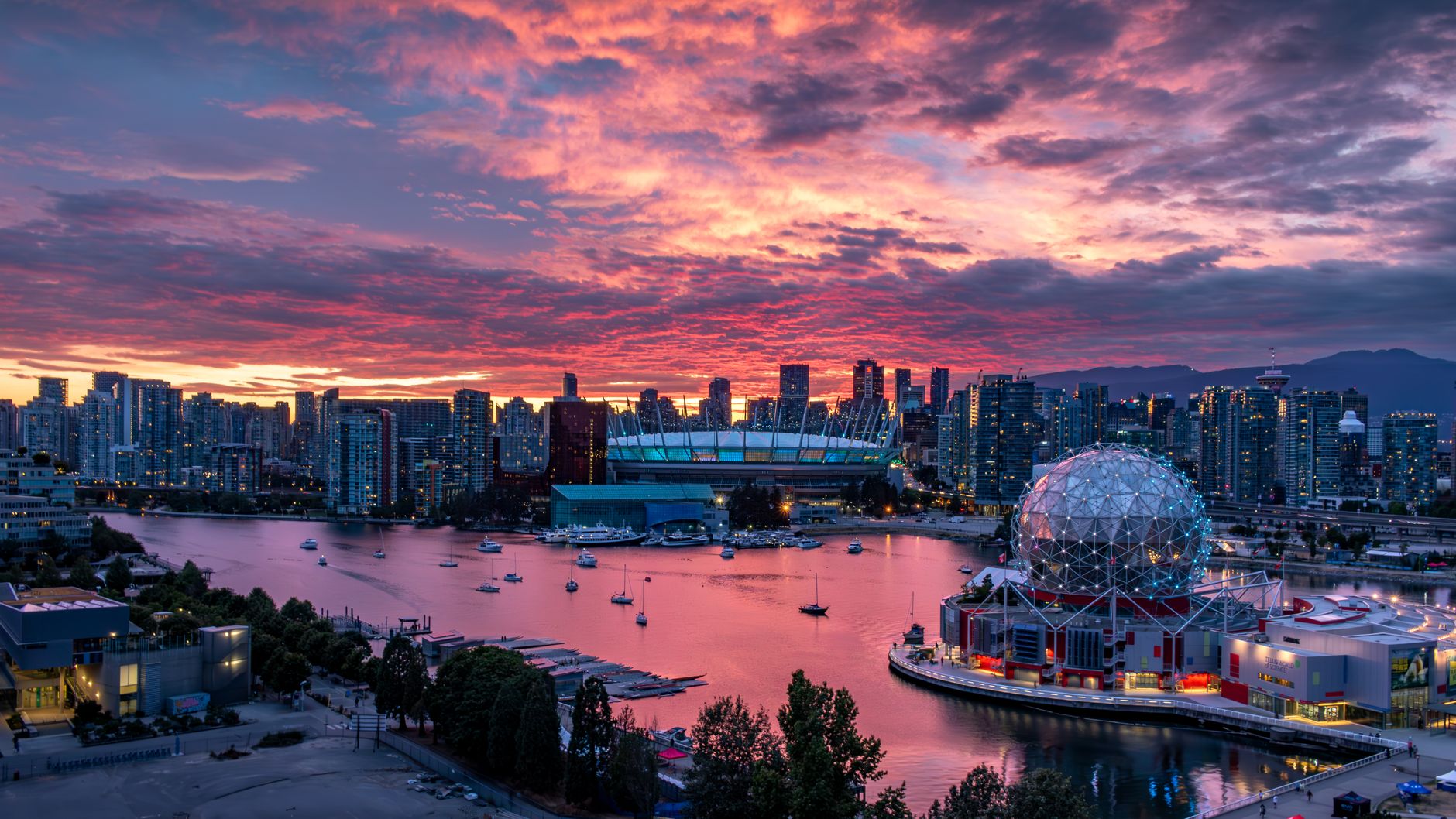
Planning a trip to Vancouver can be exciting yet slightly overwhelming, especially when it comes to deciding where to stay. With diverse neighborhoods, stunning landscapes, and a wealth of activities, Vancouver offers various options that cater to different preferences and budgets. This guide aims to help you navigate your accommodation choices, highlighting the best areas and pro tips for an unforgettable stay.
From bustling downtown to the beachside community of Kitsilano, this article will explore what makes each neighborhood unique, providing a map and travel tips to ensure you find the perfect home base during your visit to Vancouver.
Where to Stay in Vancouver?
When choosing where to stay in Vancouver, consider the neighborhood’s atmosphere, proximity to attractions, and transportation options. Popular areas like Downtown, Granville Island, the West End, and Kitsilano each bring something distinct, making it easier to select one that fits your travel style.
Overview of Vancouver’s Neighborhoods
Vancouver is a vibrant city made up of several distinct neighborhoods, each with its own character and appeal. Depending on your interests—whether exploring cultural sites, dining, shopping, or immersing yourself in nature—there is a perfect spot for you to lay your head at night. Below are some of the most recommended districts.
1. Downtown Vancouver
Downtown Vancouver is the city’s bustling heart, offering a mix of high-rises, shops, and entertainment options. Staying here puts you within walking distance of key attractions like Stanley Park, the Vancouver Art Gallery, and Gastown.
- Location: Central and easily accessible; close to public transport.
- Atmosphere: Energetic, vibrant, and cosmopolitan.
- Pros: Proximity to attractions, vibrant nightlife, and dining options.
- Cons: Higher accommodation prices and busy streets.
2. Granville Island
Granville Island is known for its public market, artisan shops, and cultural activities. Staying here offers a unique experience with a creative atmosphere filled with local artists and food vendors.
- Location: Just across the False Creek waterfront, easily reached by public transit or water taxi.
- Atmosphere: Artsy and laid-back.
- Pros: Unique shopping and dining experiences, cultural events.
- Cons: Limited hotel options compared to downtown.
3. West End
The West End offers a mix of urban amenities with access to beaches and parks. This area is popular among visitors for its proximity to English Bay, Stanley Park, and vibrant dining options on Davie Street.
- Location: Adjacent to downtown, making it easily accessible.
- Atmosphere: Relaxed and community-focused.
- Pros: Proximity to beaches, diverse dining scene, and shopping.
- Cons: Can be busy during peak season.
4. Kitsilano
Kitsilano, or “Kits,” is a beachside neighborhood known for its relaxed vibe and beautiful views of the ocean and mountains. This area is perfect for those seeking outdoor activities and a laid-back atmosphere.
- Location: Slightly farther from downtown, accessible via bus or walking.
- Atmosphere: Chill and outdoorsy.
- Pros: Beautiful beaches, parks, local cafes, and yoga studios.
- Cons: More suburban feel, farther from some attractions.
5. Yaletown
This trendy area combines historic charm with upscale high-rises. Yaletown is home to chic restaurants, boutiques, and waterfront parks, making it a desirable place for visitors.
- Location: Just south of downtown, near the False Creek waterfront.
- Atmosphere: Stylish and modern.
- Pros: Vibrant dining scene, easy access to walking and cycling paths.
- Cons: Higher accommodation costs.
Choosing the Best Areas Based on Interests
What you enjoy most during your travels can heavily influence your accommodation choice. Here’s how to narrow it down based on your interests:
For Outdoor Enthusiasts
If outdoor activities and natural beauty are priorities, consider staying in Kitsilano or near Stanley Park. Both areas provide easy access to hiking, biking, and beach activities.
For Culture and Art Lovers
Those interested in culture should check out Granville Island for artsy vibes or Yaletown for chic galleries and trendy art spaces. Downtown also boasts museums and galleries within walking distance.
For Foodies
Breakfast, lunch, and dinner options are abundant in every neighborhood, but Granville Island offers a unique market experience. Meanwhile, Yaletown and the West End are filled with diverse dining spots that cater to all tastes.
For Nightlife Seekers
Downtown and the West End offer the best nightlife options, with numerous bars, clubs, and late-night establishments. Choose these neighborhoods for easy access to vibrant night scenes.
Seasonal Considerations
Understanding the seasonal patterns can enhance your accommodation planning. Vancouver experiences mild weather year-round, but there are busy periods that may affect accommodation availability and pricing:
Peak Season: Summer (June-August)
Summer is peak tourist season, with warm weather and numerous outdoor events. Most travelers flock to the city for festivals, outdoor activities, and beautiful beaches, leading to higher hotel rates and limited availability.
Shoulder Seasons: Spring (March-May) and Fall (September-November)
Spring and fall are ideal for visitors who want to avoid crowds while enjoying pleasant weather. During these months, hotel prices may be more economical, and popular attractions are less crowded.
Off-Peak Season: Winter (December-February)
Winter sees lower tourist numbers, creating opportunities for budget travelers to find good deals. However, the weather can be rainy, and some outdoor attractions may be less accessible, but skiing in nearby mountains remains a possibility.
Getting to Vancouver
When planning your arrival to Vancouver, consider the various transportation options that connect different parts of the city:
By Air
Vancouver International Airport (YVR) serves as the main gateway for international travelers. Located just 12 kilometers from downtown, you can reach the city center via the Canada Line SkyTrain, taxis, or shuttle services.
By Train
Amtrak Cascades offers train services from Seattle and other cities. Once you arrive at Pacific Central Station in Vancouver, public transport options are easily accessible to reach various neighborhoods.
By Bus
Several bus companies connect Vancouver to Canada and the U.S. Greyhound and other regional services provide options for travelers coming from surrounding areas. Bus terminals are well-connected to public transit.
Transportation Within Vancouver
Getting around Vancouver is convenient thanks to its reliable public transportation system and walkable neighborhoods. Here’s a breakdown of travel options:
Public Transit
Vancouver’s public transit includes SkyTrain, buses, and SeaBus, allowing visitors to navigate the city easily. Purchasing a TransLink Compass Card is advisable for seamless travel across multiple transit modes.
Cycling
Vancouver is bike-friendly, with dedicated bike lanes and scenic routes. Many neighborhoods, particularly Kitsilano and downtown, are accessible by bike rental services.
Walking
Many of Vancouver’s attractions are accessible on foot, particularly in neighborhoods like Downtown, the West End, and Granville Island. Walking is not only practical but also allows you to soak in the city’s ambiance.
Accommodation Options to Consider
With various options available, it’s essential to choose the right type of accommodation that aligns with your budget and travel plans. Here are some categories to consider:
Luxury Hotels
If you’re looking to indulge, check out hotels in Downtown Vancouver, where luxury amenities are the norm. Consider places that offer stunning views and top-notch service.
Mid-Range Hotels
For those seeking comfort without breaking the bank, mid-range hotels in the West End or Yaletown are excellent options. These typically offer well-rated amenities at reasonable prices.
Budget Hotels and Hostels
Budget-friendly accommodations can be found throughout the city. Hostels in the Downtown area are popular with solo travelers and backpackers looking to meet fellow adventurers.
Apartments and Vacation Rentals
For longer stays or a home-like experience, consider vacation rentals or serviced apartments. Neighborhoods like Kitsilano and the West End have various options available.
Sustainable Travel Tips
Vancouver places a high emphasis on sustainability. Here are tips to be a responsible traveler:
- Choose eco-friendly accommodations that prioritize sustainable practices.
- Use public transport, cycle, or walk instead of driving.
- Support local businesses by shopping at local markets and dining at local restaurants.
Conclusion
With its beautiful landscapes, diverse neighborhoods, and rich culture, Vancouver offers a range of accommodation options to suit every traveler. By considering your interests, preferred atmosphere, and transportation needs, you’ll be well-equipped to choose the perfect place to stay. Whether you opt for a luxury hotel in downtown or a cozy Airbnb in Kitsilano, the city’s charm is sure to make your visit unforgettable.
Explore related destination guides, itineraries, or travel-planning tips to enhance your trip by visiting our resources on things to do in Victoria, BC and things to do in Victoria, Canada.