
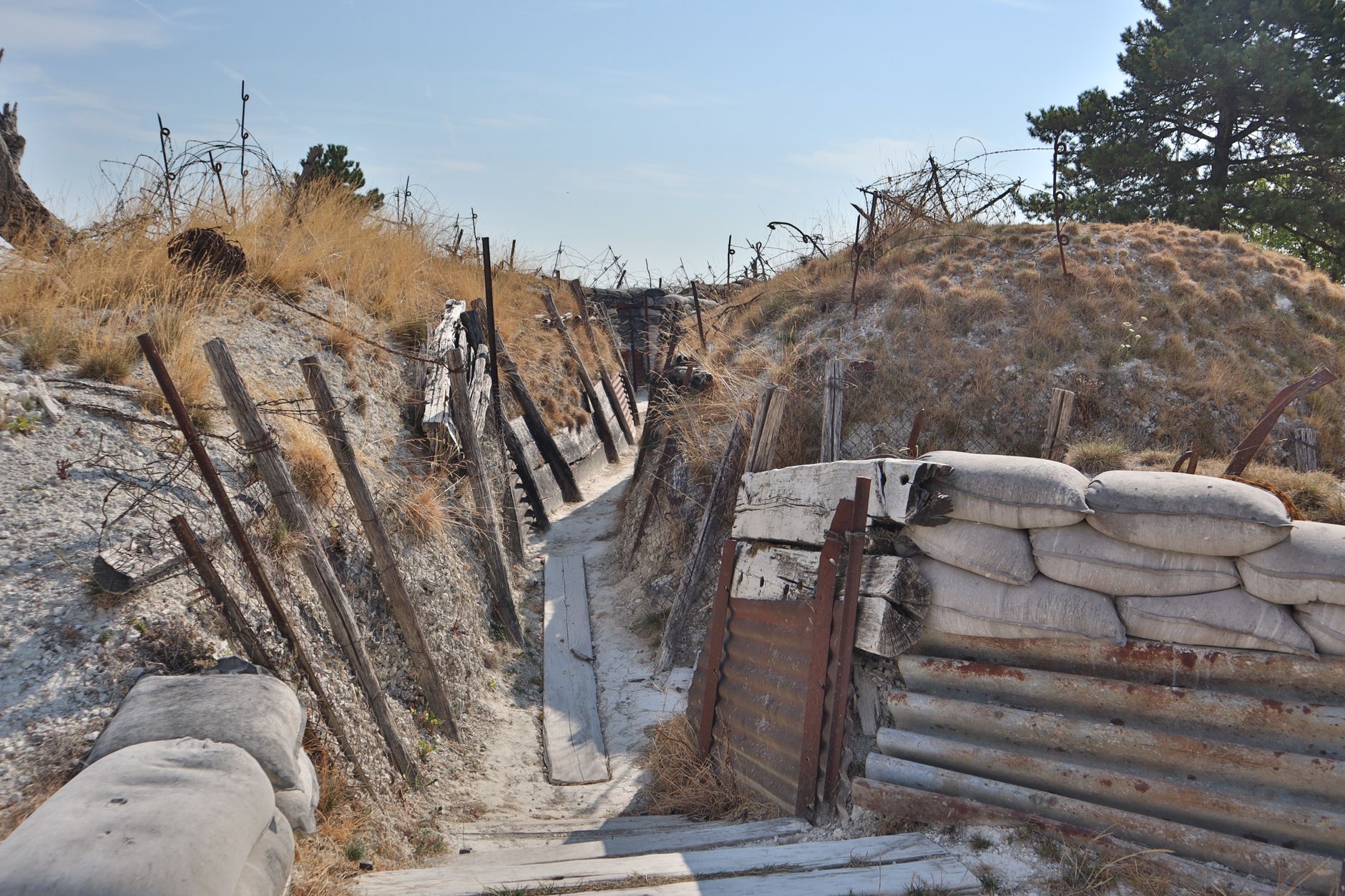
D-Day, the monumental and pivotal event in World War II, took place on June 6, 1944, along the coast of Normandy, France. This remarkable military operation, officially known as Operation Overlord, aimed to liberate Western Europe from Nazi control. Today, visitors can explore the historic sites, museums, and memorials in Normandy to understand the scale and significance of this historic day.
Traveling to Normandy not only allows for a deep appreciation of the bravery displayed by thousands of troops but also offers a chance to enjoy the rich culture, cuisine, and stunning coastal scenery of this beautiful region.
Where Was D Day?
D-Day specifically occurred on the beaches of Normandy, which is located in northwestern France. The operation involved five main beachheads: Utah, Omaha, Gold, Juno, and Sword. Each of these beaches played a crucial role in the success of the Allied invasion.
The Significance of D-Day and Its Historical Sites
The significance of D-Day extends beyond military tactics; it symbolizes unity among the Allied forces and the fight against tyranny. Today, Normandy serves as a solemn yet informative destination for those looking to learn more about this turning point in history.
Key Beaches of D-Day
Each beach has its own story and commemoration centers, making them essential stops on any D-Day-focused itinerary:
- Utah Beach: This beach was the site of the American landings and is known for its relatively light casualties compared to other locations. The Utah Beach Museum provides excellent insights into the events of D-Day.
- Omaha Beach: One of the most famous landing zones, Omaha Beach witnessed heavy fighting and significant losses. The American Cemetery at Colleville-sur-Mer offers a poignant tribute to those who lost their lives.
- Gold Beach: This beach was assigned to British forces. The area is now home to various monuments and museums highlighting the contributions of British troops.
- Juno Beach: Marked by Canadian troops, Juno Beach has a Canadian Museum that commemorates their crucial role in the invasion.
- Sword Beach: The easternmost landing site, Sword Beach was mainly tasked to British troops and links to several historical sites, including the Pegasus Bridge.
Must-Visit D-Day Museums and Memorials
In addition to the beaches, several museums and memorials in Normandy provide valuable context and personal stories from D-Day:
- Utah Beach Museum: This museum focuses on the American landings and features various exhibits, including authentic wartime artifacts.
- Caen Memorial Museum: Located in Caen, this museum covers not just D-Day but also the broader context of World War II and the consequences of war.
- Omaha Beach Memorial Museum: This museum is dedicated to the American soldiers who fought at Omaha Beach and is rich in personal accounts, vehicles, and documents from the period.
- The Memorial de Caen: An extensive museum that details the history of World War II and the Cold War, offering insights into the impacts of D-Day.
- Juno Beach Centre: A Canadian-focused museum, dedicated to educating visitors about the role of Canadian forces in the Normandy landings.
Planning Your Trip to Normandy
Visiting Normandy requires careful planning to ensure you can experience everything the region has to offer.
Recommended Length of Stay
A typical trip to Normandy can last anywhere from three to seven days, depending on how deeply you wish to explore the region. A longer stay allows more time for day trips and a deeper appreciation of the local culture.
Best Time to Visit
Spring (April to June) and early fall (September to October) are ideal times to visit Normandy due to mild weather and smaller crowds. The 6th of June is particularly significant, with several commemorative events taking place, attracting many visitors.
Getting to Normandy
Traveling to Normandy is convenient, with several options available:
- By Air: The nearest major airports are Caen-Carpiquet Airport and Rouen Airport. Alternatively, you can fly into Paris and take a train or drive to Normandy.
- By Train: High-speed trains from Paris to Caen or Bayeux operate frequently and are a comfortable way to reach the region. The journey takes about two hours.
- By Car: Renting a car allows for flexibility when exploring the historic sites. Major highways connect Normandy to Paris and other parts of France.
Transportation Around Normandy
Once in Normandy, there are several options for getting around:
- Public Transport: Several buses and train services connect major cities and sites of interest, but schedules can be limited, especially on weekends.
- Car Hire: A rental car is the most flexible option, offering easy access to remote sites and allowing you to create your own itinerary.
- Biking: Some areas in Normandy are bike-friendly, offering a unique way to explore the picturesque countryside.
Accommodation Options in Normandy
Finding the right place to stay is crucial for a comfortable visit. Here are some accommodation options:
- Hotels: Numerous hotels in Bayeux, Caen, and alongside the beaches cater to various budgets, from luxury options to budget-friendly stays.
- Bed and Breakfasts: Enjoy a more intimate experience by staying at local B&Bs, often run by families who can provide insider tips.
- Camping: For outdoor enthusiasts, campgrounds are available, particularly near the coastline for those who want to enjoy nature.
- Guesthouses: Traditional-style guesthouses offer a unique way to experience local hospitality.
What to Pack for Your Trip
Being prepared will enhance your visit to Normandy’s historical sites:
- Comfortable Shoes: Expect to do a lot of walking, so wear sturdy shoes suitable for both city exploration and coastal terrain.
- Layered Clothing: Weather can be unpredictable, with sunny mornings turning to cooler afternoons, so pack layers to adjust accordingly.
- Rain Gear: A light raincoat or travel umbrella is advisable, especially in the spring and fall.
- Sun Protection: Don’t forget sunscreen and a hat to protect against sun exposure, particularly on the beaches.
- Cameras and Notebooks: Capture memories and jot down thoughts as you explore the sites and museums.
Food and Drink in Normandy
Normandy is not just about history; it’s also known for its culinary delights. Here are some local specialties to try:
- Camembert Cheese: The world-famous cheese originates from this area. Be sure to sample it fresh from local dairy farms.
- Calvados: This apple brandy is iconic in the region, perfect for those looking to taste local beverages.
- Cider: Pair your meals with locally produced cider, which is a staple at many bistros and restaurants.
- Seafood: Fresh fish and shellfish are abundant along the coast, making seafood a must-try in Normandy.
Family and Safety Considerations
When traveling with family, consider the interests and comfort levels of all members. Normandy offers various family-friendly activities, from sandy beaches to educational museums. Make sure to check local safety guidelines, especially when visiting historical sites or participating in outdoor activities.
Safety Precautions
While Normandy is generally safe for tourists, it is advisable to follow standard travel precautions:
- Stay aware of your surroundings, especially in crowded areas.
- Keep personal belongings secure to avoid pickpocketing.
- Always have an emergency plan in place and know the location of the nearest medical facilities.
Practical Travel Tips
To make the most of your trip to Normandy, keep these practical tips in mind:
- Purchase tickets for popular museums and attractions in advance to avoid long lines.
- Learn a few basic French phrases, as it can enhance communication with locals.
- Be mindful of local customs and etiquette, such as greetings and dining practices.
- Consider joining guided tours for in-depth historical insights.
D-Day and its historical significance are interwoven with the landscape and culture of Normandy. This region offers not only an educational experience but also a chance to enjoy its stunning scenery, delightful cuisine, and rich heritage. A visit to Normandy allows you to pay tribute to the past while embracing the present.
To dive deeper into travel opportunities, explore these related destination guides: Things to Do in Portsmouth, RI and Things to Do in Bristol, England.