
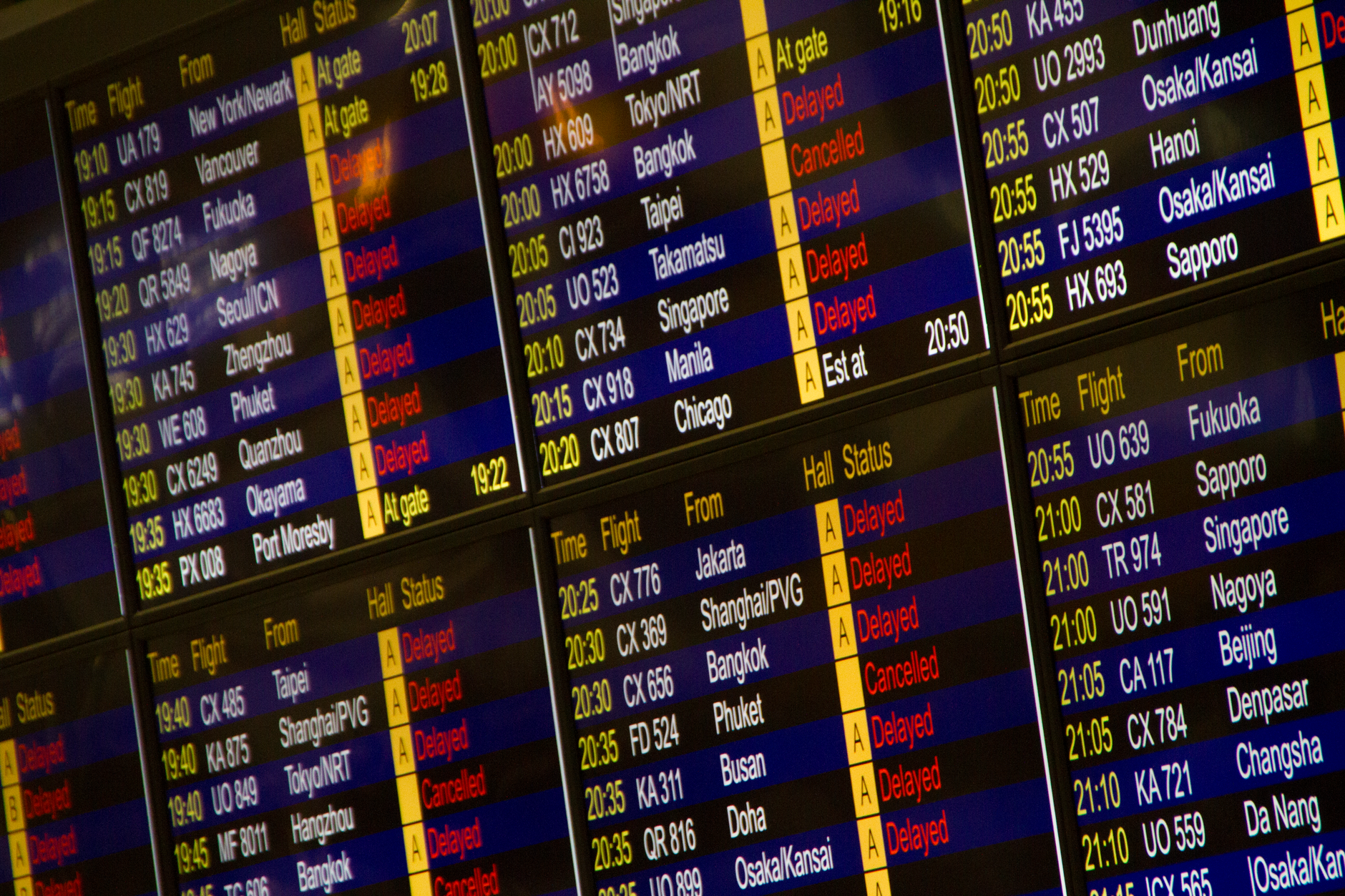
Flight delays can cause significant frustration for travelers, whether it’s due to unexpected weather or technical issues. Understanding the common reasons behind these disruptions can help you better prepare for your travel day and mitigate potential stress. In this article, we will explore the various factors contributing to flight delays, and we’ll provide practical advice for planning your trips accordingly.
From airline schedules to air traffic management, we will delve into the complex web that impacts your travel plans. Knowing what could lead to delays today will empower you to adjust your itinerary or find alternate solutions to keep your travel on track.
Why Are Flights Delayed Today?
Today’s flight delays can arise from a variety of factors, including weather conditions, technical glitches, air traffic control issues, and more. Each case is unique, making it essential for travelers to stay informed and remain flexible.
Here are the key reasons why flights might be delayed on any given day:
Weather Conditions
Weather is one of the most common causes of flight delays and cancellations. Bad weather can affect visibility, runway conditions, and safety protocols, forcing airlines to delay flights for the safety of passengers and crew. Delays can occur for the following weather-related reasons:
- Severe thunderstorms
- Heavy rain or flooding
- Snow or ice accumulation
- High winds
- Fog affecting visibility
Airports have stringent weather rules that must be followed, and as conditions change, planes may be grounded or diverted, causing a ripple effect throughout the flight schedule.
Technical Issues
Aircraft require regular maintenance and periodic checks. If a technical issue arises before departure, airlines may delay the flight to ensure the aircraft is safe for travel. Common technical issues that might cause delays include:
- Engine trouble
- Electrical failures
- Malfunctioning equipment (e.g., navigation tools)
- Last-minute mechanical checks
While safety is paramount, these delays can lead to cascading flight schedule disruptions, especially during peak travel seasons.
Air Traffic Control Delays
Air traffic control (ATC) issues can significantly impact flight schedules. Various factors can contribute to delays managed by ATC:
- High volume of traffic at congested airports
- Temporary ground stop due to safety regulations
- Air traffic rerouting due to weather or emergencies
During busy travel periods, such as holidays, ATC delays can be more pronounced, so it’s wise to keep this in mind when planning your trip.
Airport Operations
The operational efficiency of airports is crucial for smooth flight schedules. Factors affecting airport operations and leading to delays include:
- Long lines at security checkpoints
- Insufficient gate availability
- Delayed arrival of incoming flights
While some of these issues may be beyond the control of airlines, travelers can take proactive steps to navigate airport logistics more efficiently.
Passenger-Related Delays
Occasionally, delays can result from issues involving passengers themselves. Some common situations that may cause delays include:
- Late boarding due to passengers arriving past the cutoff time
- Security-related situations that require additional screening
- Medical emergencies or disturbances onboard
Being punctual and following boarding protocols can help minimize these types of delays.
Flight Scheduling and Connection Issues
Airlines schedule flights tightly, especially during peak travel periods. A delay on one flight can cause a domino effect on subsequent flights. Factors that contribute to these scheduling-related delays include:
- Delayed connecting flights causing late passenger boarding
- Aircraft arriving late from prior flights
- Last-minute scheduling adjustments by the airline
When booking connecting flights, allow ample time between arrivals and departures to mitigate the risk of delays.
Traveling During Peak Times
Traveling during peak seasons can significantly increase the likelihood of delays. During holidays, school vacations, and events, airports experience higher passenger volumes, leading to greater demands on airline schedules and airport operations.
Tips for Traveling During Peak Seasons
To enhance your travel experience during busy times, consider the following tips:
- Book flights during off-peak times (early morning or late evening).
- Arrive at the airport well ahead of your flight time.
- Monitor flight status in real-time.
- Consider travel insurance to cover potential delays.
How to Stay Informed About Your Flight
Staying updated about your flight status is crucial, especially on days when disruptions are more likely. Here are practical ways to stay informed:
- Check the airline’s website or app for real-time updates before you leave for the airport.
- Sign up for text or email alerts from your airline regarding your flight status.
- Utilize flight-tracking apps that provide real-time information about delays and cancellations.
Being proactive can save you valuable time and hassle at the airport.
Preparing for Potential Delays
Despite your best efforts, delays can sometimes be unavoidable. Here are some steps to take to prepare for potential disruptions:
- Pack essentials in your carry-on luggage, such as snacks, medication, and items to keep you entertained.
- Understand your options in case of a cancellation or significant delay, including your rights as a passenger.
- Maintain flexible travel plans—consider possible accommodation or transportation options if delays occur longer than anticipated.
Having a backup plan can help you deal with unexpected changes in your itinerary.
Understanding Your Rights as a Traveler
Familiarize yourself with your rights as a traveler should your flight be delayed or canceled. Regulations vary by country and airline, impacting compensation and assistance options. Important points to consider include:
- In the EU, passengers may be entitled to compensation and assistance in case of long delays.
- U.S. regulations provide protections regarding tarmac delays, including provisions on how long airlines can keep passengers waiting.
- Know the airline’s policies regarding rebooking, meal vouchers, and accommodation in case of deterrents.
Being informed will empower you to navigate challenging situations effectively.
Conclusion
Flight delays can happen for a multitude of reasons, from unforeseen weather to technical issues and operational constraints. By understanding these factors and preparing adequately, you can alleviate some of the stress associated with travel disruptions. Stay informed, plan ahead, and maintain a flexible mindset to navigate your journey smoothly.
Explore our related travel guides and tips for further insight, including what happened at BWI airport today and updates for DFW airport today.