
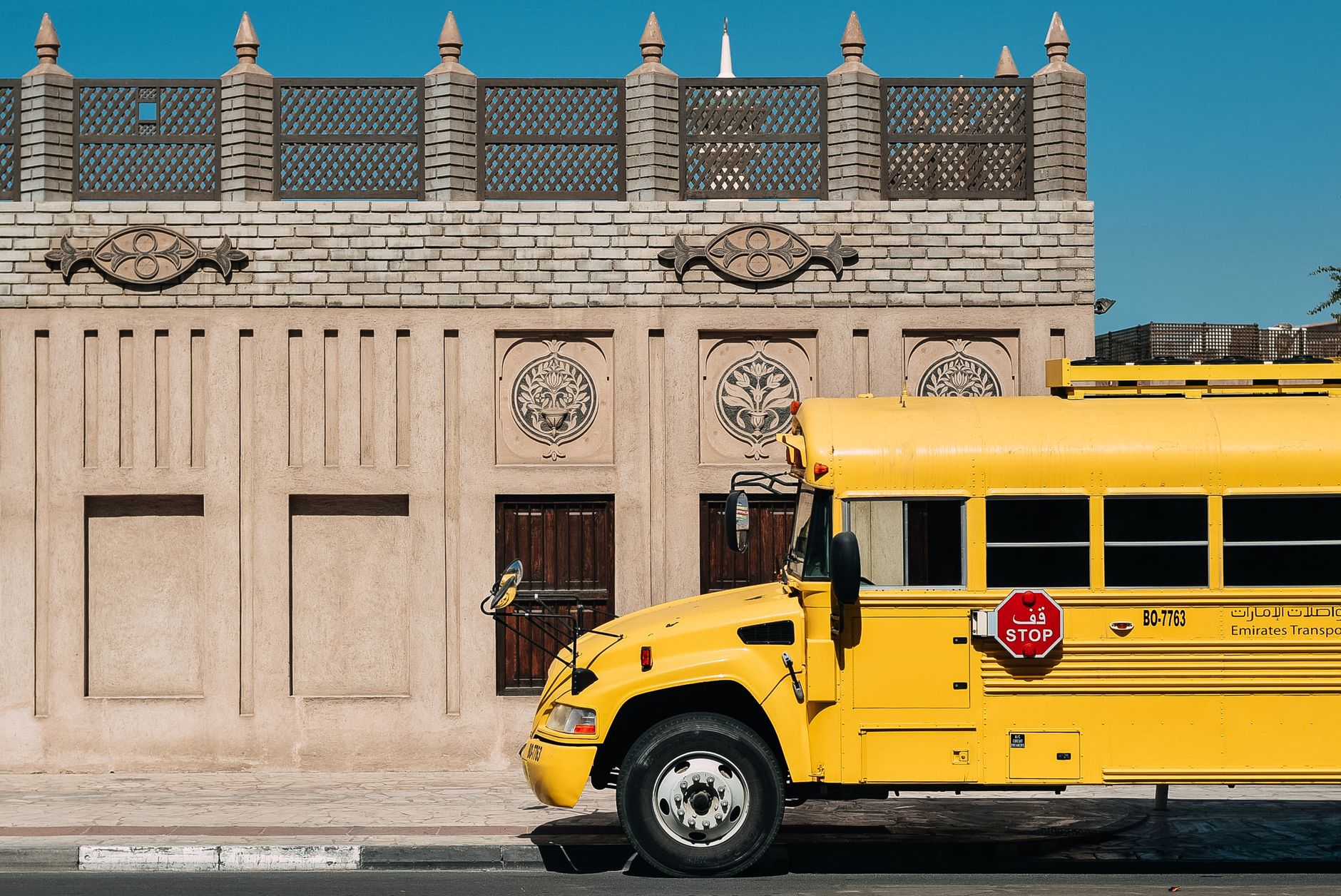
School buses are a staple of daily student transportation, yet many people wonder why these buses lack seatbelts. It seems counterintuitive given the emphasis on safety in vehicles today, but there are specific reasons behind this design choice.
In this article, we will delve into the history, regulations, safety tests, and the arguments of both sides to understand why school buses usually do not come equipped with seatbelts. Knowledge about this topic can help ease concerns for parents and guardians regarding school transportation safety.
Why Don’t School Buses Have Seatbelts?
The primary reason most school buses do not have seatbelts is due to a concept called “compartmentalization.” This system is designed to protect passengers without the need for individual seatbelts, using the bus’s design features to provide safety in the event of a crash.
Compartmentalization works by utilizing higher seat backs, padding, and a closely spaced seating arrangement. The idea is to contain children safely within this space during a collision or sudden stop, effectively minimizing injury risks.
The History of School Bus Safety Regulations
The principles behind school bus safety have evolved over time. The National Highway Traffic Safety Administration (NHTSA) began developing guidelines for school bus safety in the late 1970s. Initial guidelines focused on seat design and layout rather than individual seatbelt usage.
Despite advancements in vehicle safety and seatbelt technology, NHTSA has continued to maintain that compartmentalization is sufficient in reducing injury rates. This stance has influenced state laws and school district policies regarding bus safety standards.
Compartmentalization Features
The design of school buses includes several key features that enhance safety:
- High Seat Backs: The tall, padded seat backs act as barriers in case of a crash, helping to absorb impact and prevent children from being thrown forward.
- Energy-Absorbing Materials: The interior materials of school buses are designed to absorb energy during an accident, further reducing the likelihood of injury.
- Proximity of Seats: The close spacing of the seats also limits the amount of movement passengers can make during a sudden stop or accident.
Safety Statistics: Do School Buses Need Seatbelts?
Research from the NHTSA shows that riding a school bus is one of the safest modes of transportation for children. Buses are deemed 70 times safer than passenger cars when it comes to getting children to and from school.
Between 2007 and 2016, NHTSA data indicated that fewer than 0.2% of fatalities involving children on school buses resulted from accidents, suggesting that injury rates are already very low without seatbelts.
Arguments For Seatbelts on School Buses
Despite the effectiveness of compartmentalization, some advocates argue that having seatbelts could enhance safety further:
- Protection in Side Impacts: Compartmentalization is particularly effective in frontal impacts, but less so in side collisions. Seatbelts could minimize injuries in these scenarios.
- Parental Preferences: Many parents feel more secure knowing their children are wearing seatbelts, regardless of statistics. This perspective emphasizes peace of mind.
- Promoting Safety Culture: Having seatbelts in buses may reinforce the overall culture of safety in transportation, encouraging children to wear seatbelts in all vehicles.
Challenges in Implementing Seatbelts on School Buses
There are practical challenges associated with retrofitting buses with seatbelts:
- Cost: Equipping each bus with seatbelts and ensuring proper installation can be expensive for school districts, particularly with budget constraints.
- Increased Training Requirements: Bus drivers may require additional training to manage safety protocols effectively, including dealing with students fastening and unfastening their seatbelts.
- Potential for Misuse: Children may unbuckle their seatbelts while the bus is in motion, creating additional safety concerns.
State Regulations and Variances
School bus safety regulations vary by state, which significantly impacts the presence of seatbelts. Some states have mandated seatbelts for new buses, while others stick to guidelines promoting compartmentalization. States such as California and New Jersey require seatbelts on newly purchased buses, arguing that the benefits justify the costs.
Due to these differences, parents should be aware of their state’s laws and safety measures when evaluating the transportation options available for their children.
The Future of School Bus Safety
The conversation surrounding seatbelts on school buses continues to evolve. Technological advancements may lead to better safety measures, possibly integrating the benefits of both seatbelts and compartmentalization in future designs.
Research and data collection regarding school bus accidents and safety will likely guide future regulations and interventions, balancing cost and safety needs.
What Parents Can Do
For concerned parents, here are several steps to enhance the overall safety of their children while riding on school buses:
- Discuss Bus Safety Rules: Talk to children about the importance of staying seated, keeping arms and legs inside the bus, and following the bus driver’s instructions.
- Advocate for Better Safety Measures: Engage with local school boards and advocate for improved safety measures, including seatbelts if within state regulations.
- Stay Informed: Educate yourself about local school bus safety initiatives, rules, and regulations to make informed decisions about your child’s transportation.
Conclusion
The lack of seatbelts in school buses primarily stems from the established concept of compartmentalization, which has proven effective over the years. While many advocate for seatbelts to enhance safety further, the debate involves practical, financial, and regulatory complexities.
Parents and guardians should remain informed and proactive, advocating for the best safety practices for school transportation while understanding the rationale behind current safety measures.
Explore more on related travel topics by checking out our articles on what happened at BWI Airport today and how to plan a birthday road trip for practical tips and inspiration.