
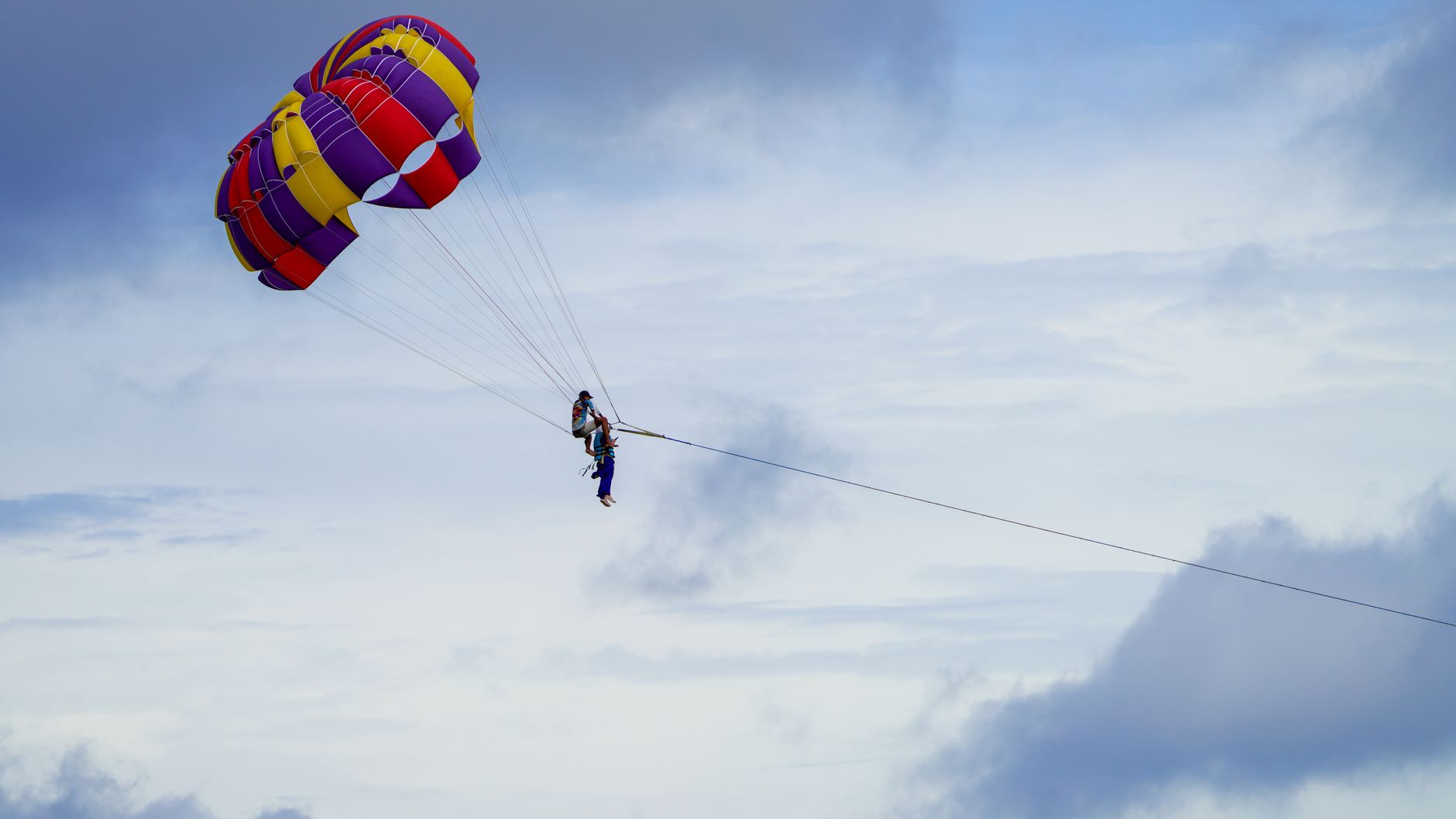
Skydiving is often regarded as one of the most exhilarating adventures a person can experience. With breathtaking views from thousands of feet above ground, it’s a dream activity for many thrill-seekers. However, before you strap on a parachute, understanding the costs involved is crucial. This guide will break down the expenses associated with skydiving, helping you to budget for this incredible experience.
From tandem jumps to licensed jumps, equipment rentals, and additional services, several factors affect the overall cost. We’ll explore everything you need to know to make the most informed decision before you take the leap into the sky.
How Much Does It Cost to Skydive?
The cost of skydiving varies widely based on numerous factors. On average, you can expect to pay between $200 to $400 for a tandem jump, which is the most common way to skydive for beginners. This price typically includes a pre-jump training session, gear rental, and an instructor to accompany you during the jump.
Additional costs may include photography and videography services, certification courses for those looking to skydive solo, or jumps from higher altitudes. Each of these factors will influence the final price you pay.
Factors Affecting Skydiving Costs
To better understand how much you might spend on a skydiving experience, let’s delve into the key components that can affect the overall cost.
1. Type of Jump
- Tandem Jumps: This is the most common type for beginners. You jump while harnessed to an experienced instructor. The cost ranges from $200 to $400.
- Solo Jumps: If you have completed training and are licensed, the costs will be lower; single jumps can run from $25 to $50, but you must have your own equipment or rent it.
- Accelerated Freefall (AFF): This is a course for those who wish to learn to skydive solo. Prices for AFF courses can range from $1,200 to $2,500 depending on the number of jumps and training involved.
2. Location
The location of the jump can significantly affect pricing. Skydiving in popular tourist destinations or areas with lower competition may charge higher fees. Conversely, less popular areas may offer discounts to attract customers. For example:
- Skydiving in California or Florida may be on the higher end of the scale.
- Smaller drop zones could offer promotions that might be cheaper.
3. Equipment Rental
When jumping solo, you may need to rent equipment, which could add $50 to $100 to your cost for each jump. Tandem jumps usually include gear rental in the overall price.
4. Experience Level
Your experience level can dictate how much you spend. Beginners pay higher prices for tandem jumps with instructors. As you gain experience and certifications, your costs will decrease significantly.
5. Extras and Add-ons
Many skydiving companies will offer additional services that can add to your overall experience, but also your expenses:
- Photography and Videography: Capturing the moment is crucial for many. Expect to pay between $100 to $200 for quality footage.
- Gift Vouchers: If you’re looking to gift a skydiving experience, many companies offer vouchers with price variations.
6. Seasonal Variations
The season can alter prices based on demand. Peak seasons, often during summer and holiday periods, might see higher costs due to increased demand. Conversely, winter may present lower rates.
Typical Skydiving Prices Overview
| Type of Jump | Price Range |
|---|---|
| Tandem Jump | $200 – $400 |
| Solo Jump | $25 – $50 |
| AFF Course | $1,200 – $2,500 |
| Photography/Video | $100 – $200 |
| Equipment Rental | $50 – $100 |
Budgeting for Your Skydive
When preparing for a skydiving experience, a clear budget is essential. Here are some tips to help you manage your finances effectively:
- Research Different Operators: Pricing can vary significantly; researching local skydiving companies is crucial.
- Look for Discounts: Many companies offer promotions or discounts for first-time jumpers. Keep an eye on their websites or social media platforms.
- Book in Advance: If you can, making a reservation ahead of time can sometimes save you money.
- Factor in All Costs: Consider all potential added costs such as gear rentals and media packages when budgeting.
What to Expect on the Day of Skydiving
Understanding what to expect can ease some anxieties surrounding your jump day.
1. Arriving and Check-In
Upon arrival, you will need to check in. This may involve filling out paperwork including waivers and forms related to health conditions. It’s essential to arrive 30 minutes prior to your scheduled jumping time.
2. Pre-Jump Training
Typically, you will undergo a short training session, usually lasting about 30 minutes, where you’ll learn crucial safety information, body positioning, and landing techniques.
3. Gear Up
Your instructor will help you put on your harness and gear. A thorough check is always conducted to ensure safety.
4. The Flight
During the climb up to altitude (usually between 10,000 and 15,000 feet), you can take in the beautiful scenery below. Sometimes, you may even have the opportunity to chat with your instructor about the jump.
5. The Jump
When the time comes to jump, you’ll find yourself securely harnessed to your instructor, which should ease any nervousness. The moment you step out of the plane, prepare for an adrenaline rush like no other as you free-fall for approximately 30 seconds before the parachute deploys.
6. The Landing
Following the parachute deployment, you will gradually glide down to the landing area. Your instructor will guide you on how to position your body for landing safely.
Safety Considerations for Skydiving
While skydiving is generally safe, it is crucial to be aware of the associated risks. Here are key safety tips:
- Choose a Reputable Company: Research the skydiving company’s safety record and customer reviews.
- Follow Instructions: Always listen to your instructors; they are trained to ensure your safety.
- Be Open About Health Concerns: Inform your instructor about any medical conditions such as heart issues or previous injuries.
- Avoid Jumps During Bad Weather: Weather conditions can significantly impact safety; trusted companies will always prioritize your safety and reschedule if necessary.
Tips for First-Time Skydivers
If you’re considering your first jump, here are some tips to make your experience smoother:
- Stay Calm: It’s natural to feel nervous before your jump; remember that your instructor is there for guidance.
- Dress Appropriately: Wear comfortable clothing suitable for weather conditions. Lace-up shoes are ideal.
- Hydrate: Staying hydrated will help you feel your best. Avoid heavy meals that might sit uncomfortably during the jump.
- Bring a Friend: Sharing the experience with a friend can be comforting and enjoyable.
Alternative Experiences
If skydiving doesn’t quite meet your adventure threshold, consider alternatives like indoor skydiving, which provides a similar free-fall experience without the altitude. Costs for indoor skydiving typically range from $60 to $100 for multiple flights in a controlled environment.
Final Thoughts
Skydiving can be an unforgettable experience that elevates your travel adventures. As you consider your options, remember to budget carefully, research different operators, and prioritize safety. With costs ranging widely, understanding these factors will help you plan and enjoy your leap into a new world of thrill.
If you’re considering a thrilling travel experience, explore related articles to help with your planning: How Much Is a Trip to Bora Bora and How Much Does a Cruise Ship Cost.