
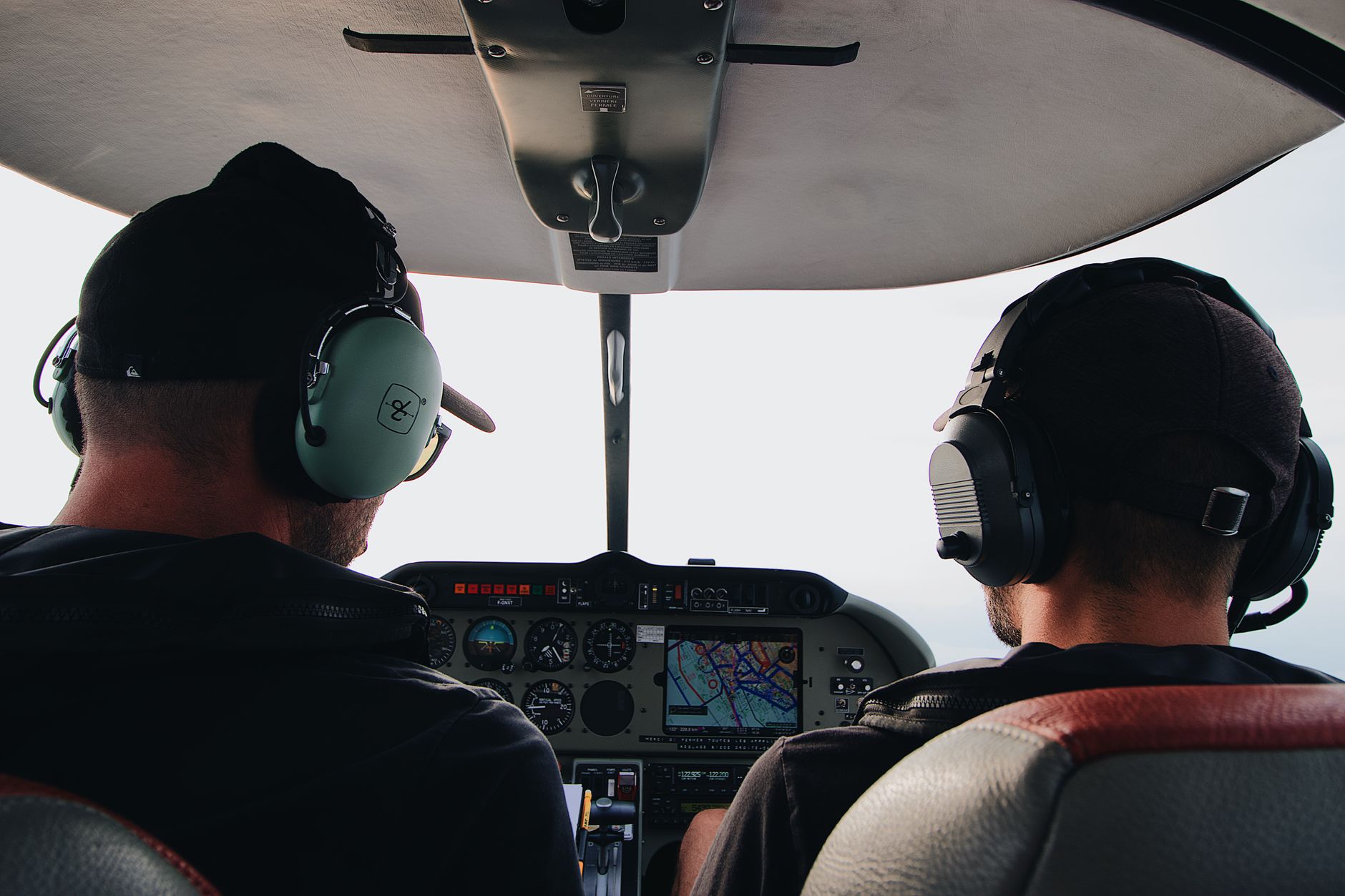
Flying a plane may seem daunting, but with proper guidance and preparation, anyone can learn how to navigate the skies. In this comprehensive guide, we will break down the essential steps and considerations involved in flying an airplane, whether you are an aspiring pilot or just curious about the process.
From understanding the types of aircraft to acquiring the required licenses, this article covers everything you need to know to embark on your journey to becoming a pilot. Let’s dive into the details!
How to Fly a Plane?
To fly a plane, you must understand the basic components, pursue flight training, acquire necessary certifications, and gain experience under supervision. This involves theoretical knowledge, practical skills, and adherence to safety regulations.
Understanding the Basics of Flying
Before you can take to the skies, it’s crucial to have a solid understanding of the fundamental concepts of aviation. Here are some key areas to explore:
The Components of an Airplane
An airplane is made up of several essential parts, each playing a critical role in its operation. Familiarizing yourself with these components will help you grasp how planes fly:
- Wings: Provide lift to keep the aircraft in the air.
- Fuselage: The main body of the aircraft, where passengers and cargo are housed.
- Empennage: Made up of the tail section, including the horizontal stabilizer and vertical stabilizer, responsible for stability and control.
- Landing Gear: Supports the aircraft during takeoff and landing.
- Engine: Provides thrust for propulsion.
How Lift is Generated
Lift is a vital force for flight and is generated by the movement of air over the wings. The shape of the wings, known as an airfoil, creates a difference in air pressure above and below the wings:
- Air moves faster over the top surface of the wing, resulting in lower pressure.
- Higher pressure underneath the wing pushes it upward, creating lift.
Types of Aircraft
Before you take flight, you should familiarize yourself with the various types of aircraft. Different plane categories come with distinct functionalities:
- Single-Engine Planes: Commonly used for private flying, training, and small cargo transport.
- Multi-Engine Planes: Used for larger capacities and extended range, suitable for commercial flights.
- Gliders: Aircraft that rely on lift from rising air currents instead of engines.
- Helicopters: Capable of vertical takeoff and landing, often used in rescue missions and urban transport.
Obtaining a Pilot’s License
To legally fly an aircraft, you must obtain a pilot’s license. This process generally involves a combination of ground school and flight training.
Types of Pilot Licenses
There are several types of pilot licenses you can pursue, depending on your flying goals:
- Private Pilot License (PPL): Allows you to fly for personal use, carrying passengers and cargo without compensation.
- Commercial Pilot License (CPL): Enables you to fly for hire or compensation in a broader range of aircraft.
- Airline Transport Pilot License (ATPL): Required for those looking to become a captain for airlines, allowing you to transport passengers on commercial airliners.
Ground School and Flight Training
The path to obtaining your license typically begins with ground school, which covers the theoretical aspects of flying:
- Aircraft Systems: Understanding the mechanics and systems within an airplane.
- Meteorology: Learning about weather patterns and their impact on flying.
- Navigation: Familiarizing with navigation techniques and instruments.
- Aerodynamics: Gaining insight into how airplanes fly and the forces at play.
After completing ground school, you will proceed to flight training, where you will learn hands-on flying skills under the guidance of a certified flight instructor (CFI). Flight training may involve:
- Learning basic maneuvers, such as takeoff, landing, and climbing.
- Practicing emergency procedures and handling adverse conditions.
- Logging required flight hours to qualify for your license.
Preparing for Your First Flight
After completing your training and obtaining your license, you’ll be prepared for your first solo flight. However, preparation is key to ensure safety and confidence in the cockpit:
Pre-Flight Checklist
Always conduct a thorough pre-flight inspection of the airplane to ensure it is safe to fly:
- Inspect the exterior: Check fuselage, wings, and landing gear for any visible damage.
- Check fuel levels: Ensure there is enough fuel for the planned flight.
- Verify equipment: Ensure instruments are functioning correctly.
- Weather briefing: Review current weather conditions and forecasts.
Flight Plan
Before departure, develop a flight plan that details your intended route, altitude, and any waypoints you may want to pass. Ensure to file your flight plan with the appropriate authorities if necessary.
Flying: Key Concepts to Master
Once you have all the preparations complete, it’s time to take to the skies. Here are some fundamental concepts to master in-flight:
Controlling the Aircraft
Understanding how to control the airplane’s thrust, altitude, and direction is essential:
- Throttle: Controls engine power and speed.
- Ailerons: Allow for lateral control, rolling the plane left or right.
- Elevator: Adjusts pitch, enabling you to climb or descend.
- Rudder: Controls yaw, allowing coordination with aileron inputs for turns.
Understanding Airspace Regulations
Familiarize yourself with the different classes of airspace and associated rules to navigate safely:
- Class A: High-altitude airspace under Instrument Flight Rules (IFR).
- Class B: Control zones surrounding busy airports where ATC clearance is required.
- Class C: Airspace around airports with operational control towers, requiring radio communication.
- Class D: Around smaller airports; ATC services may be limited.
- Class E: Controlled airspace, generally outside the vicinity of airports.
Emergency Procedures
Preparation for emergencies is crucial. You should learn protocols for situations such as:
- Engine failure during flight.
- Loss of cabin pressure.
- In-flight navigation loss.
- Emergency landings.
The Importance of Continuous Learning
Flying is an ever-evolving field, and continuous education is vital for safety and proficiency:
- Stay Updated: Keep abreast of any changes in regulations, operational procedures, and new technology.
- Advanced Training: Consider pursuing additional ratings, such as instrument or multi-engine ratings.
- Flight Reviews: Regularly participate in flight reviews with instructors to maintain your skills.
Budgeting for Your Flight Training
Flying can be a significant financial investment, but understanding the costs can help you budget effectively:
Cost Breakdown
When considering flying training, think about the following expenses:
- Ground School: Tuition for ground classes or online courses.
- Flight Hours: Charges per hour of flight training with an instructor.
- Aircraft Rental: Costs associated with renting the airplane.
- License Fees: Examination and certification fees upon completion of training.
Financing Options
Numerous financing options exist to assist aspiring pilots in managing costs:
- Scholarships: Research aviation scholarships available from flight schools or aviation organizations.
- Loans: Consider student loans designed for flight training.
- Payment Plans: Many flight schools offer payment plans for training expenses.
Safety Considerations for New Pilots
Pilot safety is paramount, especially for novice aviators. Consider the following recommendations:
- Fly Within Your Limits: Only operate in conditions you are trained to handle.
- Conduct Thorough Pre-Flight Checks: Never skip the inspection process.
- Stay Informed: Regularly check weather and air traffic conditions, and adapt your plans accordingly.
The Future of Flying
The aviation industry is continually evolving. Emerging technologies such as electric aircraft and autonomous flying systems could reshape the landscape of flying. As these advances occur, new training and regulatory considerations will arise, keeping the field dynamic for pilot training.
While flying a plane is a challenging and rewarding endeavor, it requires commitment, study, and continuous learning. With the right approach, anyone can learn how to take to the skies safely and effectively.
Start your journey today! Reach out to local flight schools for more information about pilot training programs available to you.
For further insights, explore our guides on traveling with your furry friend or understand how high planes can fly at these links: How to Fly With a Dog and How High Do Planes Fly.