
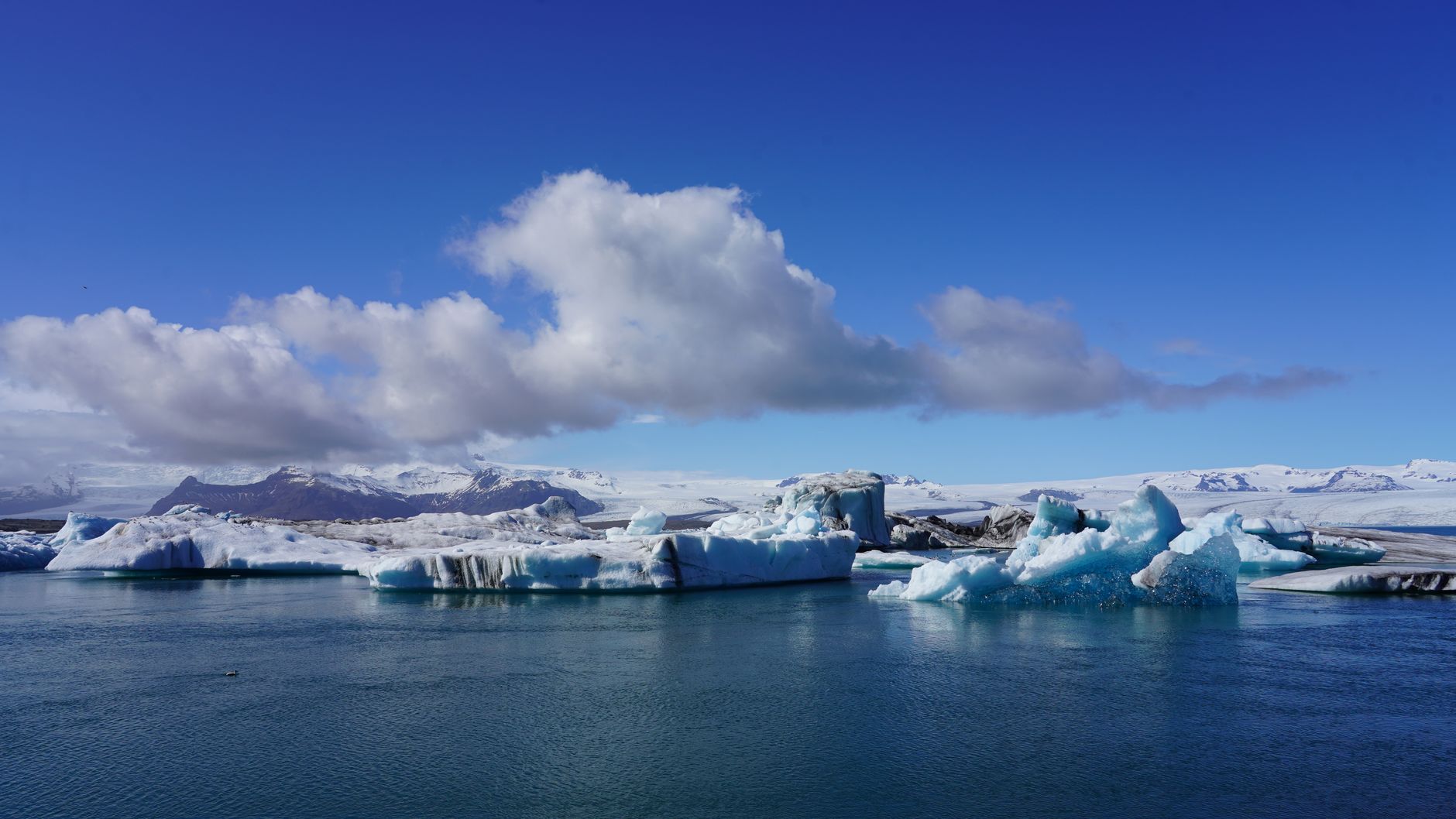
When considering a trip to Iceland, a common concern among travelers is the cost associated with exploring this stunning northern destination. Known for its breathtaking landscapes, unique culture, and vibrant cities, Iceland does come with a reputation for being on the pricier side. Understanding what to expect in terms of prices and getting tips on how to save can significantly enhance your experience.
In this guide, we will delve into whether Iceland is truly expensive by examining accommodation options, dining costs, transportation fees, attractions, and money-saving tips. By doing so, you can prepare a budget that suits your travel needs while making the most of your time in this incredible country.
Is Iceland Expensive?
Iceland is generally considered expensive compared to many countries, particularly for dining, accommodations, and activities. However, careful planning and budgeting can help mitigate some of these costs, allowing visitors to enjoy the country’s wonders without breaking the bank.
Accommodation Costs
Accommodation is often one of the largest expenses when traveling to Iceland. Options vary widely from luxury hotels to budget hostels and everything in between. Here’s a breakdown of the typical costs you can expect:
- Hotels: On average, a mid-range hotel can cost between ISK 25,000 and ISK 40,000 per night. Luxury hotels and resorts can exceed ISK 60,000 per night.
- Guesthouses: A more economical choice, guesthouses typically range from ISK 15,000 to ISK 30,000 per night, often including breakfast.
- Hostels: Dormitory-style accommodations in hostels can be found for ISK 4,000 to ISK 10,000 per night. Private rooms are also available for a higher price.
- Campsites: For those looking to save, camping is a popular choice during the summer months. Campsites usually charge around ISK 1,500 to ISK 2,500 per person per night.
Neighborhood Choices
When deciding where to stay, consider the following neighborhoods and areas:
- Reykjavik: The capital city offers numerous accommodations, vibrant nightlife, and dining options. Staying here ensures easy access to local attractions.
- Akureyri: Known as the “Capital of the North,” this charming town provides an excellent base for exploring the north of Iceland.
- Selfoss: Located in the south, it’s a good option for travelers looking to explore the Golden Circle.
- Vík: A picturesque village on the southern coast with nearby beaches and hiking paths suitable for nature lovers.
Dining Costs
Dining in Iceland can be quite costly, especially if you eat out for every meal. Here’s what to expect:
- Restaurant Prices: A meal at an inexpensive restaurant averages around ISK 3,000 to ISK 5,000. Dining at mid-range restaurants can increase costs to ISK 7,500 to ISK 12,000 per person.
- Fast Food: Quick bites increase costs less significantly, with a meal costing around ISK 2,000 to ISK 3,000.
- Supermarkets: Grocery store prices can vary, but purchasing food and preparing meals can save you considerable money. Expect to pay around ISK 500 to ISK 1,000 for sandwiches and snacks.
- Alcohol: Alcohol is heavily taxed in Iceland, with beer prices averaging ISK 1,000 and wine costs around ISK 2,500 to ISK 5,000 per bottle in stores.
Local Cuisine to Try
While enjoying Icelandic cuisine, don’t miss the opportunity to try traditional dishes such as:
- Þorramatur (a platter of traditional foods)
- Lamb soup
- Skyr (Icelandic yogurt)
- Fresh seafood, including arctic char and cod
Transportation Costs
Getting around Iceland can also impact your budget. Here are some common transportation options and their costs:
- Car Rental: Renting a car is common for exploring the country. Daily rates typically range from ISK 7,000 to ISK 15,000, depending on the type of vehicle.
- Fuel Costs: Fuel prices in Iceland can be high, with prices averaging around ISK 230 to ISK 300 per liter.
- Public Transport: Buses connect major towns, with fares ranging from ISK 1,500 to ISK 3,000 per journey. Check schedules in advance as service can be limited in rural areas.
- Airport Transfers: Shuttle buses from the airport to Reykjavik cost about ISK 3,500 per person, while private transfers can be higher.
Activities and Attractions
Iceland is filled with natural wonders and cultural activities, many of which come with an entrance fee or cost. Here’s what you should budget for:
- Guided Tours: Tours to popular attractions like the Golden Circle or the Blue Lagoon can cost between ISK 10,000 and ISK 20,000 per person.
- National Parks: Entrance fees to several parks are free, but some may charge fees for parking or services. For example, Þingvellir National Park has a parking fee of ISK 500.
- Geothermal Pools: Many local pools are relatively inexpensive, ranging from ISK 1,000 to ISK 3,000 per person for entry.
- Whale Watching Tours: These typically cost around ISK 9,000 to ISK 15,000 per person.
Must-See Attractions
Don’t miss these iconic Icelandic locations:
- The Golden Circle: A popular route that includes Þingvellir, Geysir, and Gullfoss.
- The Blue Lagoon: A famous geothermal spa known for its milky blue waters.
- Vatnajökull National Park: Home to Europe’s largest glacier and stunning landscapes.
- Reykjavik: Explore museums, local cafes, and historic landmarks in the capital.
Seasonal Patterns and Weather
Iceland’s weather varies dramatically by season, influencing both travel experiences and costs:
- Summer (June to August): The peak tourist season when prices soar. The days are long, with nearly 24 hours of daylight, allowing for extensive exploration.
- Winter (December to February): A quieter season with lower prices, though some attractions may be inaccessible due to weather conditions. Ideal for seeing the Northern Lights.
- Shoulder Seasons (Spring and Autumn): These months offer more moderate prices and fewer crowds, making them excellent for budget travelers.
Money-Saving Tips for Traveling in Iceland
Traveling in Iceland on a budget is possible with careful planning. Here are some practical tips to save money during your trip:
- Cook Your Own Meals: Utilize accommodation with kitchen facilities or camp to prepare your food.
- Use Public Transport: Limit car rentals or use buses between cities to save on transportation costs.
- Choose Free Attractions: Explore free natural wonders, such as hiking trails, waterfalls, and volcanic landscapes instead of paid attractions.
- Travel Off-Peak: Visit during off-peak months for lower prices and less crowded experiences.
- Bundle Activities: Look for package deals that combine tours or attractions for better rates.
Currency and Payment Methods
The currency in Iceland is the Icelandic króna (ISK). Here’s how to handle currency during your stay:
- Currencies Accepted: Credit and debit cards are widely accepted across the country, making it easy to avoid carrying large amounts of cash.
- Currency Exchange: Currency can be exchanged at banks or currency exchange facilities, though rates may vary. Consider withdrawing cash from ATMs for better rates.
Conclusion
While Iceland can be expensive, it is possible to manage your budget by staying informed and planning ahead. By examining accommodation costs, dining options, transportation fees, and attractions, you can enjoy the beauty and culture of Iceland without overspending. Utilize these tips to enhance your experience and create lasting memories on your journey to this stunning land of fire and ice.
For more information on what makes Iceland unique and additional insights, explore guides like What is Iceland Known For? and more budget resources at Is Iceland Expensive?.