
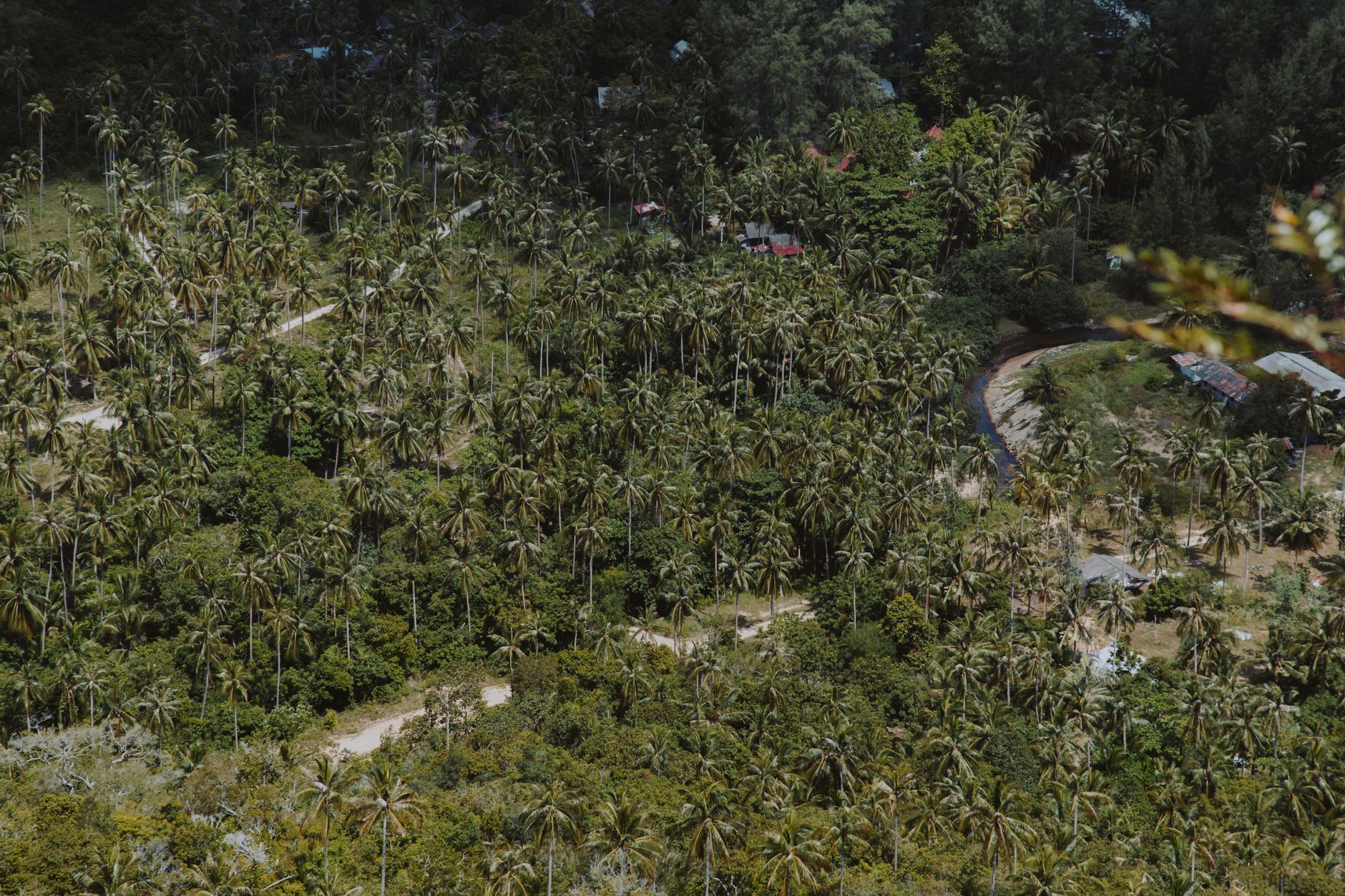
Koa is not just a type of wood; it’s a symbol of the Hawaiian culture and landscape. Renowned for its beauty, strength, and unique qualities, Koa has garnered popularity in various forms, from furniture to musical instruments. Understanding Koa enriches both the appreciation of Hawaiian heritage and the practicalities of travel in Hawaii.
This article delves into what Koa is, its significance, and how it fits into the travel experience in Hawaii. Whether you’re interested in buying Koa products or simply wish to understand more about this beautiful island resource, this guide will provide you with essential insights.
What Is Koa?
Koa refers to a species of tree native to Hawaii, known scientifically as Acacia koa. This tree thrives in the volcanic soils of Hawaii and is celebrated for its distinctive grain and rich coloration, which ranges from golden to deep reddish-brown. Koa wood is particularly prized for its durability and workability.
Besides its tangible benefits, Koa holds cultural significance for Native Hawaiians, symbolizing strength and resilience. It is often used in traditional crafts and art forms, linking the present to Hawaiian ancestry.
Cultural Significance of Koa
Koa represents more than just a resource; it is deeply intertwined with Hawaiian history and spirituality. Native Hawaiians believe that the Koa tree embodies mana, or spiritual energy. Many cultural artifacts, such as outrigger canoes and instruments like the ukulele, are crafted from Koa, showcasing its significance in traditional practices.
Engaging with Koa not only supports local artisans but also helps preserve the legacy of Hawaiian culture. Visitors often seek Koa products as souvenirs, making it an important aspect of light economic activity in Hawaii.
Uses of Koa
Koa is versatile and used in various forms, ranging from functional items to collectibles. Below are some common uses of Koa:
- Furniture: Koa is commonly crafted into beautiful furniture pieces due to its rich color and fine grain.
- Musical Instruments: Guitars, ukuleles, and other instruments are often made from Koa, producing warm tones.
- Artistic Crafts: Items like bowls, carvings, and jewelry showcase the artistry of local craftsmen.
- Home Decor: Koa wood is frequently used in flooring, cabinetry, and decorative elements in homes.
Where to Buy Koa Products
If you’re interested in purchasing Koa products while visiting Hawaii, there are various options available:
- Local Artisan Shops: Many towns and cities, particularly those close to Koa forests, have artisan shops featuring handmade Koa items.
- Craft Fairs and Markets: Keep an eye out for local art fairs or farmer’s markets where craftspeople may sell Koa products.
- Online Retailers: Reputable online retailers offer Koa items if you can’t find what you’re looking for locally.
Environmental Considerations
It’s essential to be aware of sustainability when purchasing Koa products. Due to its popularity, Koa trees have faced overharvesting, which impacts the ecosystem. Here are a few tips for sustainable shopping:
- Ask About Sourcing: Inquire how the wood is sourced to ensure ethical practices are followed.
- Look for Certifications: Look for Koa products that have certification from sustainable forestry organizations.
- Support Local Artisans: Buying directly from local craftsmen often ensures that your purchases support the local economy and culture.
Is Koa Worth the Investment?
Purchasing Koa wood items can be a significant investment. High-quality furniture or instruments may come with a higher price tag than mass-produced products. However, quality Koa items are often heirlooms, cherished for generations. When considering whether Koa is worth the investment, take into account:
- Quality of craftsmanship
- Source and sustainability of materials
- Personal significance of the item
Accommodation in Hawaii
When planning your trip to explore Koa and other Hawaiian wonders, choosing the right accommodation can enhance your experience.
Best Areas to Stay
Hawaii is made up of several islands, each offering a unique atmosphere. Here are some recommended areas to stay based on what you want to explore:
- Oahu: Home to Honolulu and vibrant city life, perfect for combining culture with beach time.
- Maui: Known for its beautiful beaches and luxury resorts, an ideal spot for relaxation and adventure.
- Big Island: Great for those looking to explore volcanoes and Koa forests.
- Kauai: Ideal for hiking and nature lovers focusing on lush landscapes.
Types of Accommodations
The type of accommodation can greatly affect your experience. Here are some options:
- Hotels and Resorts: Offers amenities and services, suitable for families or those seeking luxury.
- Vacation Rentals: Great for a more personal experience, offering the opportunity to cook and enjoy local markets.
- Hostels: Budget-friendly option for solo travelers or those looking to meet others.
Transportation in Hawaii
Getting around Hawaii can be challenging if you are unprepared, so here are some solid routes and tips.
Air Travel
Most visitors fly into one of Hawaii’s major airports, with Daniel K. Inouye International Airport (HNL) in Honolulu being the busiest. After that, interisland flights are available for those planning to explore multiple islands.
Ground Transportation
Once on the islands, you have several transportation options:
- Rental Cars: Offers the best flexibility to explore at your pace.
- Buses: Public transport can be a cost-effective way to get around, but may be limited in some areas.
- Taxis and Ride Shares: Convenient for short distances, especially in urban areas.
When to Visit Hawaii
The ideal time to visit Hawaii can depend on personal preferences and activities you wish to capitalize on.
Seasons and Climate
Hawaii has a tropical climate, with temperatures being warm year-round. However, knowing the best time to visit can enhance your experience:
- Peak Season: December to April, popular for holiday travelers, leading to higher prices.
- Shoulder Season: April to June and September to November, where prices are more moderate, and the crowds are thinner.
- Off-Peak Season: Late fall and winter months offer lower prices but might limit some outdoor activities.
Suggested Length of Stay
While a week is often recommended for first-time visitors, to truly absorb the beauty of Hawaii and Koa culture, consider staying for ten days or more to explore different areas and activities.
Types of Activities to Consider
Hawaii offers numerous activities suitable for various interests. Here’s a brief overview:
Outdoor Adventures
Whether you’re looking for hiking, snorkeling, or surfing, Hawaii has it all. Some notable activities include:
- Hiking: Trails like the Kalalau Trail on Kauai offer stunning views.
- Snorkeling: Popular spots like Hanauma Bay provide encounters with marine life.
- Surfing: Oahu’s North Shore is world-renowned for its waves.
Experience Local Culture
Engaging with the local culture enriches your travel experience:
- Attend a Luau: Experience traditional Hawaiian music, dance, and food.
- Visit Historical Sites: Explore places such as Pearl Harbor or Hawaii Volcanoes National Park.
Shopping for Koa Products
There are various places to seek Koa products, from artisan shops to marketplaces, allowing you to appreciate and support local craftsmanship.
Budget Considerations
Traveling to Hawaii can be costly, but several factors can indicate what your budget should look like.
Estimated Costs
Here’s a breakdown of expenses you might consider:
- Accommodation: Expect rates between $100 to $500 per night depending on the area and type of stay.
- Food: Budget around $15 to $40 per meal depending on whether you dine out or cook.
- Activities: Prices can vary; many outdoor activities are free, while guided tours or experiences can range from $50 to $200.
Practical Planning Tips
To ensure a smooth and enjoyable experience:
- Book in Advance: Secure your vehicles and accommodation early for better rates.
- Budget Wisely: Understand your limitations and monitor expenses to avoid surprises.
- Plan for Weather Changes: Hawaii’s weather can change unexpectedly, and pack accordingly.
Accessibility and Safety Considerations
Ensuring safety and accessibility for all travelers is essential while exploring Hawaii.
Accessibility
Hawaii has made strides in improving accessibility. Many tourist attractions, beaches, and accommodations cater to travelers with disabilities. Always check ahead to ensure specific accommodations meet your needs.
Safety Precautions
Like any travel destination, safety is paramount. Here are suggested practices to consider:
- Be mindful of ocean conditions when swimming or surfing.
- Stay hydrated and use sun protection, as the Hawaiian sun can be intense.
- Respect wildlife and local ecosystems; refrain from disturbing native species.
Incorporating Koa into your Hawaiian experience goes beyond purchasing a product; it offers a glimpse into Hawaiian culture and environmental considerations. Understanding the significance of Koa enriches your journey while creating meaningful memories associated with this beautiful wood.
Your next step is to explore further aspects of your travel planning. For more information on unique travel topics, visit these destination guides: read about funiculars or discover the ABC Islands.